





A World Without Wind or Rain
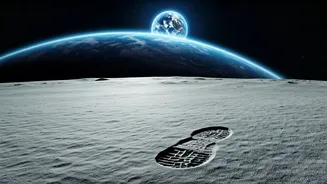
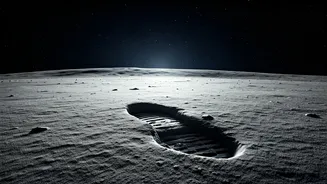
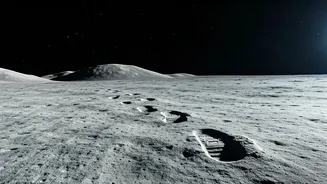
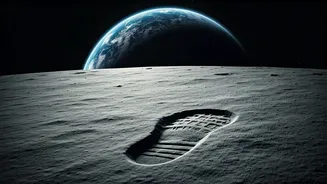
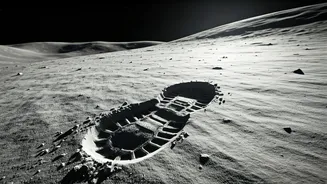
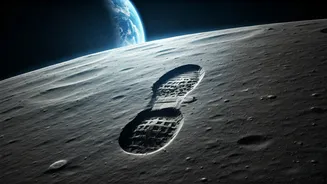
On Earth, a footprint left on a dusty trail might last a few hours or days. A gust of wind, a sudden downpour, or even the slow crawl of insects will eventually erase it. The Moon, however, has none of these things. It lacks any significant atmosphere,
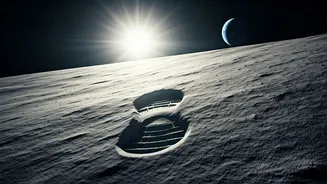
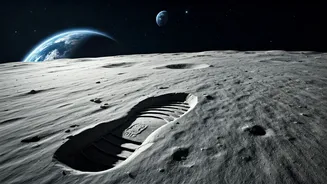
which means there is no wind to blow dust around, no rain to wash surfaces clean, and no oxygen to cause rust and decay. This is the core reason for its incredible preservative power. The lunar surface is a vacuum, a near-perfect time capsule where events are recorded and then frozen in place. When Neil Armstrong and Buzz Aldrin stepped onto the Sea of Tranquility in 1969, they weren’t just making history; they were creating geological features that would outlast any monument on Earth.
The Slow Agents of Change
While the headline’s claim of “unaltered” tracking is largely true on a human timescale, the Moon isn't entirely static. It just operates on a much, much slower clock. The primary force of erosion is not weather but micrometeorites—tiny particles of space rock, often no larger than a grain of sand, that constantly bombard the lunar surface at tremendous speeds. Each impact creates a minuscule crater, kicking up a fine spray of dust. Over millions of years, this 'impact gardening' gradually churns the top layer of the lunar soil, or regolith. Additionally, the Moon is blasted by a constant stream of solar wind and cosmic rays, which can slowly degrade materials and bleach colours. The American flag planted by the Apollo 11 crew, for example, is now likely completely white and brittle after decades of unfiltered solar radiation.
More Than Just Footprints
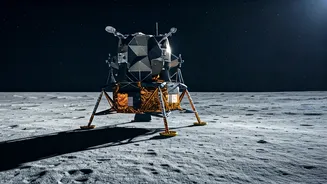
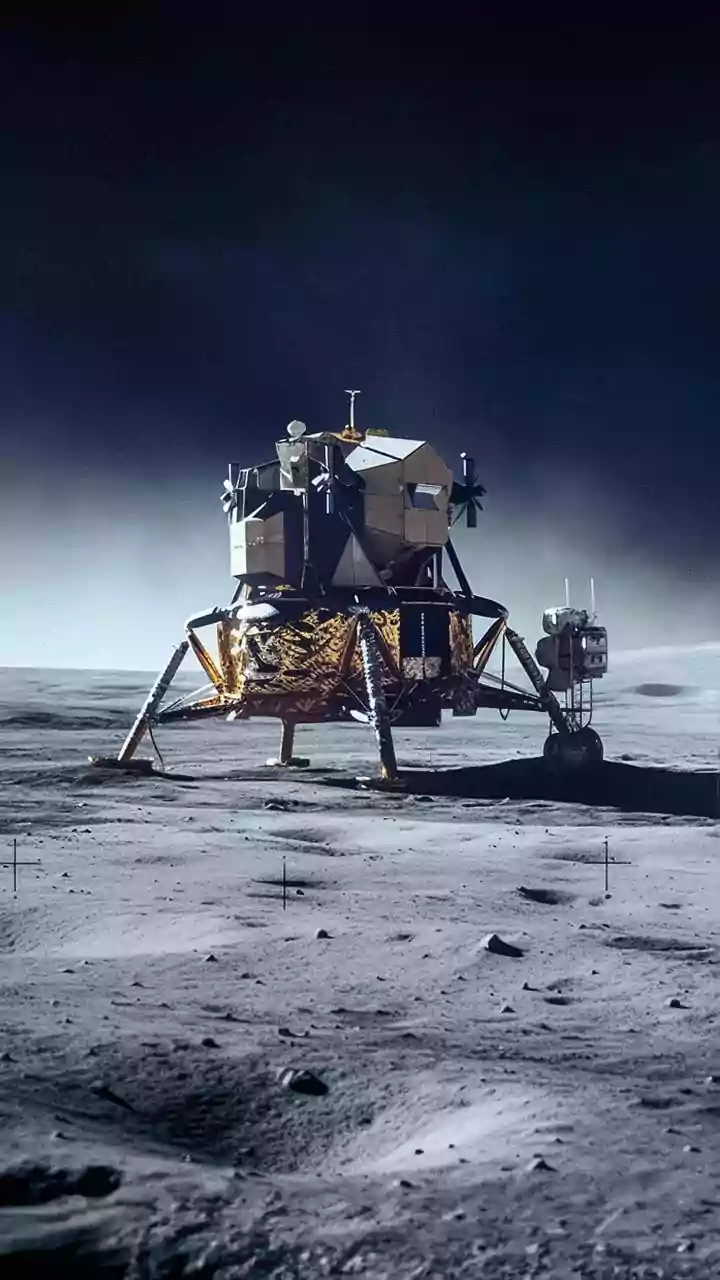
The legacy left behind by the twelve astronauts who walked on the Moon is far more extensive than just their tracks. The Apollo landing sites are unintentional museums of early space exploration, containing a treasure trove of artifacts. These include the descent stages of the lunar modules, which served as launch pads for the return journey. There are scientific instruments, like the seismometers that continued to send back data for years and the laser-ranging retroreflectors that are still used by scientists on Earth today to measure the exact distance to the Moon. On a more personal level, astronauts left behind commemorative plaques, an American flag at each site, and even personal mementos. Apollo 16 astronaut Charles Duke famously left a family portrait on the lunar surface, a poignant human touch on an alien world.
An Accidental Outdoor Museum
These sites are not just historical curiosities; they are a unique record of human achievement. The boot prints, rover tracks, and discarded equipment tell a detailed story of what the astronauts did, where they went, and the challenges they faced. You can trace the exact path an astronaut took to set up an experiment or see the disturbed dust where they fell and picked themselves back up. Because of this, there is a growing movement to protect these areas. As new missions from various countries and private companies plan to return to the Moon, organisations like the For All Moonkind foundation are advocating for the Apollo landing sites to be designated as protected heritage zones. Without an atmosphere to burn up incoming spacecraft, a future failed landing attempt could, in theory, crash into and destroy a historic site, erasing a piece of human history forever.