



The Quintessential Coastal Drive
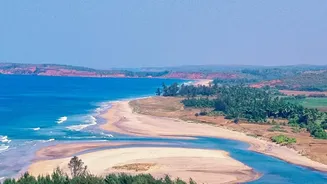
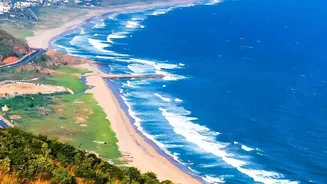
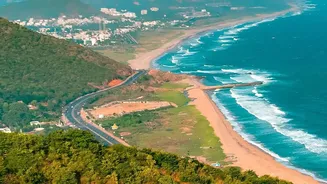
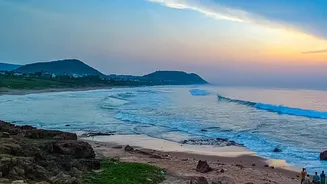
Any exploration of Odisha's coast rightfully begins with the Puri-Konark Marine Drive. This 35-kilometre stretch is one of India’s most picturesque coastal routes, with casuarina forests on one side and the Bay of Bengal on the other. The drive itself
is an experience, inviting travellers to slow down and savour the journey. Key stops along this route include the serene Ramachandi Beach, where the Kushabhadra River meets the sea, and the pristine Chandrabhaga Beach, which holds the distinction of being Asia's first Blue Flag certified beach. This coastal corridor isn’t just about beaches; it connects two of Odisha’s most significant spiritual and architectural landmarks: the Jagannath Temple in Puri and the Konark Sun Temple, a UNESCO World Heritage Site designed as a colossal chariot for the Sun God.
Asia's Largest Brackish Water Lagoon
Moving beyond the popular marine drive, Chilika Lake offers a different kind of coastal experience. As Asia's largest brackish water lagoon, it is a biodiversity hotspot and a designated Ramsar site. The lake is a haven for eco-tourists and nature lovers. Boat excursions from Satapada offer a chance to spot the rare Irrawaddy dolphins in their natural habitat. During the winter months, from November to February, Chilika transforms into a paradise for birdwatchers, as millions of migratory birds from as far as Siberia arrive, particularly at Nalabana Island, a dedicated bird sanctuary. The tranquil waters, dotted with small islands and fishing communities, provide a peaceful escape and a glimpse into a life dictated by the tides.
A Journey into Art and Heritage
Just a short drive inland from Puri lies Raghurajpur, India's first designated heritage crafts village. Here, art is not just a profession but a way of life. Every home in this village doubles as an artist's studio, where generations of artisans create intricate Pattachitra paintings, an art form that dates back centuries. Visitors can walk through the lanes adorned with murals, watch artists at work, and buy crafts directly from the source. The village is also renowned for other traditional arts like palm leaf engraving, papier-mâché masks, and the Gotipua dance, a precursor to Odissi. A visit to Raghurajpur offers a unique opportunity to immerse oneself in the living traditions that form the cultural backbone of Odisha.
Exploring the Untamed Wilderness
For those seeking adventure beyond the coast, Odisha's national parks offer a glimpse into its wild heart. Similipal National Park, a UNESCO Biosphere Reserve, is a vast expanse of dense sal forests, grasslands, and stunning waterfalls like Barehipani and Joranda. It is a critical habitat for tigers, elephants, and over 300 species of birds, and is famously home to the world's only population of melanistic (black) tigers. Further east, Bhitarkanika National Park, often called India's 'Mini Amazon', presents a different ecosystem altogether. This is one of India's largest mangrove forests, crisscrossed by tidal creeks. Best explored by boat, it is a prime location for spotting saltwater crocodiles, king cobras, and a rich variety of birdlife, offering a raw and thrilling nature experience.
A Taste of Authentic Odia Cuisine
No journey through Odisha is complete without indulging in its underrated cuisine. Odia food is known for being simple, flavourful, and light on oil. A staple in every household is Dalma, a nutritious stew of lentils and vegetables tempered with a five-spice blend called 'pancha phutana'. Given its long coastline, seafood is central to the cuisine, with dishes like Machha Besara (fish in a mustard gravy) being a local favourite. During the summers, Pakhala Bhata—fermented rice served with accompaniments—is a cooling and refreshing meal. For those with a sweet tooth, the state offers delights like Chhena Poda, a caramelized baked cheese dessert, and the world-famous Rasagola, which holds a special place in the region's culinary and cultural identity.