




Beyond the Six-Pack: What Is Your Core?
Many people use the terms 'core' and 'abs' interchangeably, but this is a major oversimplification. The 'six-pack' muscle, or rectus abdominis, is just the most visible part of a much larger system. Your true core is a complex network of muscles that
wraps around your entire torso like a supportive cylinder. It includes your abdominal muscles (rectus abdominis, obliques, and the deep transverse abdominis), muscles in your lower back like the erector spinae, the diaphragm at the top, the pelvic floor at the bottom, and even your glutes and hip muscles. Think of it as your body's central link, connecting your upper and lower halves and providing the stability needed for virtually all movement.
The Problem with Crunches Alone
The traditional crunch primarily isolates the rectus abdominis. While not inherently a 'bad' exercise, relying on crunches alone provides limited real-world benefit. Our daily lives and sporting activities don't happen in a single plane of motion while lying on the floor. We bend, twist, lift, and carry things, all of which require the entire core to work in harmony to stabilize the spine and transfer force. Over-relying on spinal flexion exercises like crunches can neglect the deep stabilizing muscles, such as the transverse abdominis, which acts like a natural corset for your spine. An effective core routine needs to be more comprehensive, training the core for its primary job: providing a stable base for movement.
Functional Strength for Everyday Life
A functionally strong core is essential for making daily tasks easier and safer. When you lift a heavy suitcase, a stable core protects your spine. When you twist to grab something from the back seat of your car, your obliques and back muscles work together to control the movement. Even just standing and sitting with good posture requires core engagement. By training the core as an integrated unit, you improve your body's ability to handle real-world demands. This not only makes you feel stronger but also dramatically reduces the risk of muscle strain and lower back pain, which is often linked to weak core muscles.
Powering Athletic Performance
For any athlete, from a weekend runner to a professional, the core is the epicentre of power. A stable core acts as a solid platform, allowing for the efficient transfer of energy from the lower body to the upper body and vice versa. Think of a cricketer hitting a six or a tennis player serving an ace; that power originates from the ground up, is channelled through a rigid core, and is expressed through the limbs. Without core stability, energy is lost, and movements become less powerful and efficient. Furthermore, a strong core helps athletes maintain control and balance during rapid changes in direction, boosts endurance by reducing wasted energy, and is a critical factor in preventing injuries.
Building a Smarter Core Routine
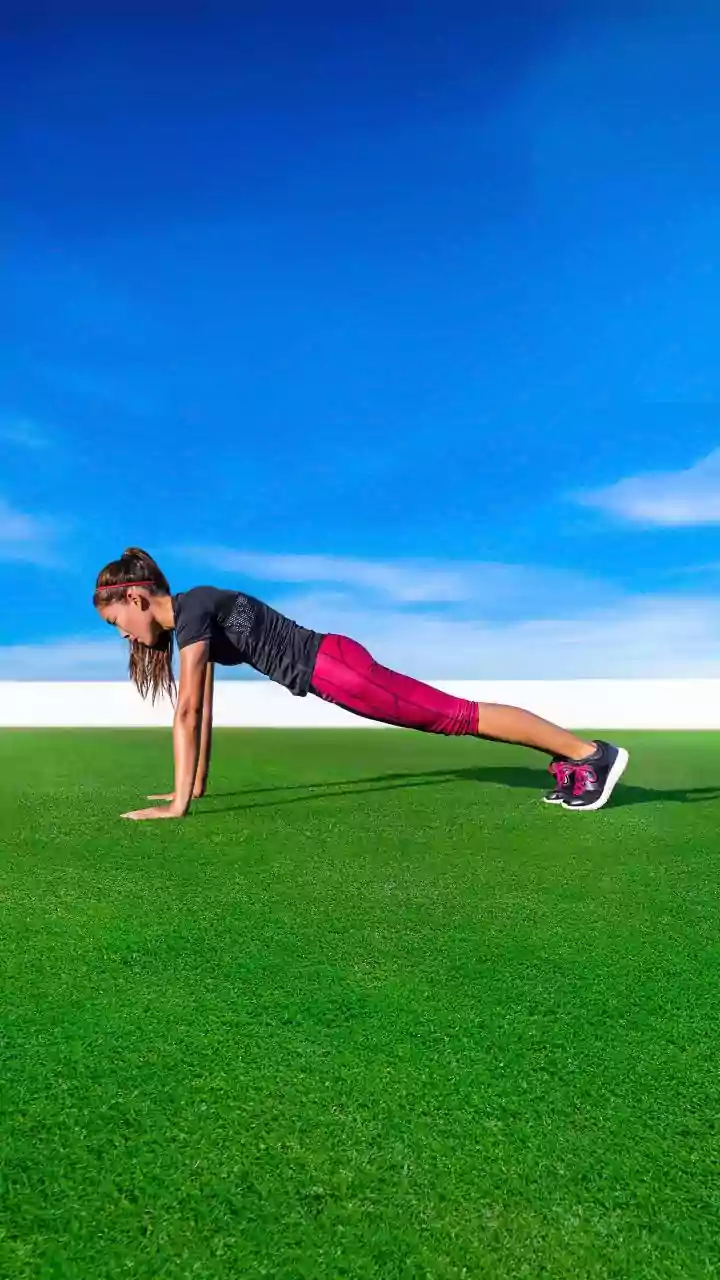
To build a core that supports you, focus on exercises that challenge stability and involve multiple muscle groups. Instead of only doing crunches, incorporate movements that resist motion, such as: Planks, which challenge your core to prevent your back from arching. Bird-dogs, which train coordination and stability as you move opposite limbs. Farmer's walks (carrying a weight in one or both hands), which force your core to work hard to keep your torso upright. Pallof presses, where you resist a band or cable's pull, are excellent for anti-rotation strength. These types of exercises teach your core muscles to fire together, building the kind of strength that is useful long after you've left the gym.