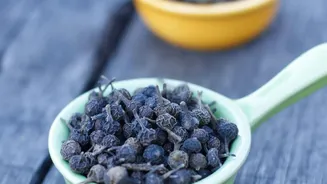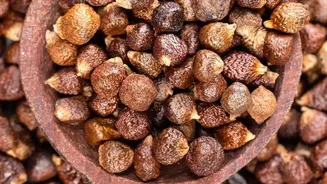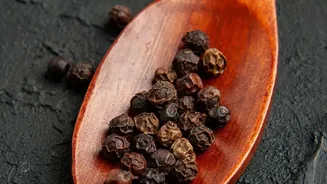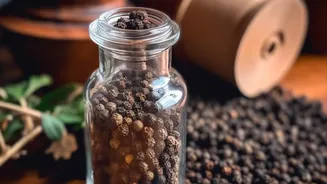




Black pepper, the 'king of spices', is a staple in every Indian kitchen. But its value makes it a target for adulteration. While simple home tests can raise a red flag, they are not foolproof. Here’s what you can spot and why it's not the full story.
The Usual Suspects: Common Adulterants
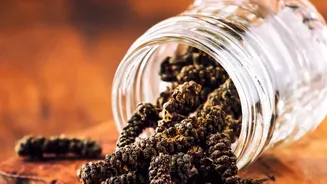
The primary reason for adulterating black pepper is economic fraud—bulking up a valuable spice with cheaper materials to increase profits. The most common adulterant is dried papaya seeds, which bear a striking resemblance to whole peppercorns in size and shape. Other additions can include light or hollow pepper berries, which are poor-quality but still from the pepper plant, and even spent peppercorns left over after their essential oils have been extracted. In ground pepper, the list expands to include sawdust, husks, and flours. A more hazardous adulterant is mineral oil, a petroleum derivative sometimes used to give peppercorns an appealing, shiny coat, but which can be harmful if consumed.
The Water Float Test
One of the most popular home tests, recommended by the Food Safety and Standards Authority of India (FSSAI), involves a simple glass of water. To perform it, drop a spoonful of whole peppercorns into the glass. According to the FSSAI's DART (Detect Adulteration with Rapid Test) manual, pure, dense black peppercorns will sink to the bottom. Papaya seeds and light, hollow berries are less dense and will typically float on the surface. If you see a significant number of 'floaters', it's a strong indicator that the batch may be mixed with these common fillers. For ground pepper, sprinkling a pinch on the water's surface can reveal sawdust, which will float.
Visual, Smell, and Touch Tests
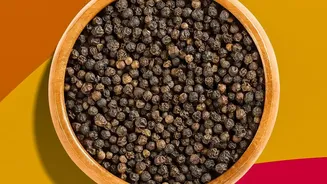
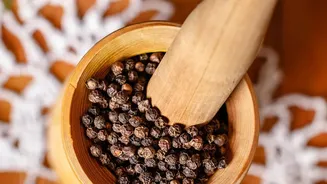
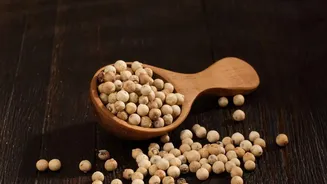
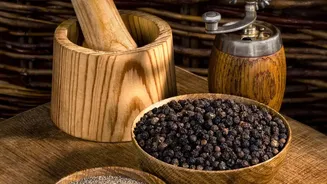
Your senses can offer additional clues. Spread some peppercorns on a plate and look closely. Genuine black pepper has a distinctly wrinkled, almost net-like surface and is generally uniform in its dark brown or black colour. Papaya seeds, by contrast, are often more oval-shaped and have a smoother, shrunken surface. The FSSAI also suggests a press test: a pure, mature peppercorn is hard and will not break easily under finger pressure, whereas light berries or other adulterants might crumble. Finally, smell the pepper. A pure batch will have a sharp, pungent aroma. A faint, kerosene-like smell can be a sign of a mineral oil coating.
Why Home Tests Are Only Indicative
This is the critical part of the headline: home tests 'suggest' but do not 'confirm'. While these checks are excellent for spotting obvious, physical adulterants like papaya seeds, they have significant limitations. For one, results can be ambiguous. Some peppercorns may float simply due to being immature, not because they are a different species. Furthermore, these tests cannot detect more sophisticated or dangerous forms of adulteration. They won't find chemical contaminants like pesticide residues, harmful toxins from mould, heavy metals, or carcinogenic industrial dyes used to improve appearance. They also cannot detect 'exhausted' spices, which are real peppercorns that have had their flavourful essential oils extracted, rendering them visually identical but aromatically useless.
Smarter Buying for Safer Spices
Since home tests are not definitive, the best defence against adulteration is prevention through smart purchasing habits. Whenever possible, choose whole peppercorns over pre-ground powder, as whole spices are much harder to adulterate without being visually obvious. Buying from trusted, reputable brands that provide clear sourcing information is crucial. In India, look for official certifications on the packaging, such as the FSSAI logo or an Agmark seal, which indicate that the product has met regulatory standards. Be wary of peppercorns that look unnaturally shiny or glossy, which could indicate a mineral oil coating, and avoid deals that seem too good to be true, as an unusually low price can be a red flag for poor quality or adulteration.