








From 'Toned' to 'Strong'
Walk into any gym today, and you'll notice a significant change. The weights section, once a male-dominated territory, is now a diverse space where more and more young women are claiming their spot. This isn't just a fleeting trend; it's a fundamental
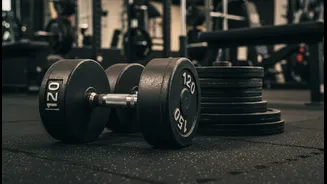
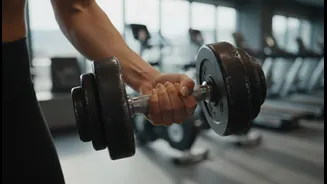
shift in fitness philosophy. For years, the prevailing advice for women was to focus on low-weight, high-repetition exercises to achieve a “toned” look, a vague term often meaning lean but not overtly muscular. Today, the conversation has changed from “How much weight did you lose?” to “How much can you lift?”. This new narrative is about addition—gaining strength, building muscle, and adding capability—rather than subtraction. The goal is no longer just about aesthetics but about achieving functional strength for everyday life.
Busting the 'Bulky' Myth
One of the most persistent myths that has historically discouraged women from lifting heavy weights is the fear of becoming “bulky”. However, this concern is largely based on misinformation. Physiologically, most women have significantly lower levels of testosterone—a key hormone for muscle growth—compared to men, making it much more difficult to build large, bulky muscles. In fact, studies show that men and women build muscle at the same rate when they start training; the difference lies in the baseline and hormonal potential for mass. The reality of strength training for women is the development of lean muscle, which boosts metabolism and contributes to a more defined physique, not excessive bulk. As a result, the focus is shifting from an unrealistic fear to an appreciation for what the body can achieve.
Strength for the Mind
Perhaps the most powerful driver of this trend is the profound impact of strength training on mental well-being. Lifting weights is increasingly recognized as a potent tool for managing the stresses of modern life. Research shows that resistance training can significantly reduce symptoms of anxiety and depression, improve mood, and boost self-esteem. The act of lifting triggers the release of endorphins, the body's natural mood elevators, while also helping to regulate stress hormones like cortisol. Beyond the brain chemistry, there's a deep sense of empowerment that comes from getting physically stronger. Achieving a new personal record or mastering a complex lift provides a tangible sense of accomplishment that builds confidence and resilience, qualities that extend far beyond the gym walls.
Long-Term Health and Empowerment
The benefits of building muscle go far beyond immediate strength gains. For young women, starting a strength routine is an investment in their future health. Resistance training is one of the most effective ways to build bone density, which is crucial for reducing the risk of osteoporosis later in life—a condition to which women are more susceptible. A stronger body is also more resilient to injury, improves posture, and boosts metabolism, which helps with healthy weight management. In India, where a large percentage of women engage in little to no leisure-time physical activity, embracing strength training is a radical act of self-care. It’s a shift from seeing exercise as a chore for weight loss to a practice for lifelong health, vitality, and empowerment.