







From a Solo Grind to a Social Event
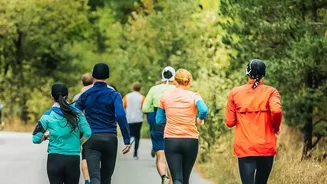
The concept is simple yet transformative. Instead of just walking alone to hit a fitness metric on a smartwatch, people are joining organised groups to walk together. These clubs turn exercise from a personal responsibility into a shared experience. Recent
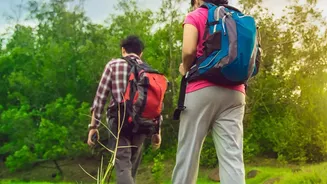
reports highlight a cultural shift, especially among younger urban dwellers, who are increasingly seeking social wellness opportunities outside of traditional gyms. Walking offers a low-pressure, inclusive alternative where the focus is as much on conversation and connection as it is on mileage. This simple change reframes the entire activity: it’s no longer just about burning calories, but about building community.
The Power of the Group
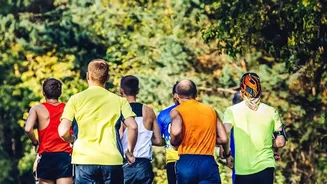
There’s a strong psychological component to why these clubs are so effective. Research consistently shows that exercising in a group has unique benefits. A study published in The Journal of the American Osteopathic Association found that people who worked out in a group experienced a 26% reduction in perceived stress and a significant improvement in emotional and physical quality of life. In contrast, solo exercisers, despite sometimes putting in more effort, didn't see similar stress reduction. The social support and accountability are powerful motivators. Knowing a group is waiting for you makes it much harder to skip, and the shared encouragement helps everyone stay on track.
Discovering Your City on Foot
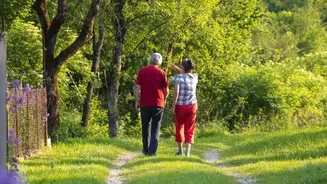
A major draw of urban walking clubs is the 'excursion' aspect mentioned in the headline. These aren't just repetitive loops around the same park. Many clubs focus on exploring different neighbourhoods, discovering hidden laneways, visiting historical sites, or even organising walks with themes like street art or local food. This element of discovery adds a layer of adventure, turning a simple walk into a micro-tour of one's own city. This approach keeps the experience fresh and engaging, preventing the boredom that often leads people to abandon fitness routines. Participants get to see their urban environment in a new light, fostering a deeper connection to their surroundings.
How These Clubs Typically Work
The logistics are usually straightforward, which is part of their appeal. Organisers often use social media platforms or community apps to announce walk details, such as the meeting point, time, route, and estimated duration. Groups can range from a handful of friends to large community gatherings. In cities across India, for example, walking and running clubs have become 'third spaces'—social environments outside of home and work where people connect. Many walks are scheduled for the early morning or weekends and often conclude with a social element, like grabbing breakfast or coffee together, further strengthening the bonds formed on the trail.
More Than Just Physical Health
While walking is excellent for physical health—improving blood pressure, cholesterol, and bone strength—the group dynamic amplifies the mental and emotional benefits. Engaging in synchronous activities, like walking in rhythm with others, can foster a sense of unity and belonging. Psychologists note that such collective experiences can combat feelings of loneliness and anxiety, which are prevalent in modern urban life. Studies show that engaging in group exercise can lead to less stress and higher confidence. It creates a supportive environment where people can move their bodies and connect with others, addressing the fundamental human need for social interaction.