






The Great Protein Debate
Protein is the word on everyone's lips. From fitness influencers to neighbourhood nutritionists, the message is clear: protein is essential. It's the building block for our muscles, skin, and hormones. This has led to a massive boom in the protein supplement
market in India. Many people, especially younger individuals focused on fitness, have started incorporating protein shakes into their daily routine. The central question remains: Is a scoop of powder superior to a well-planned meal? The answer, according to India's top medical research body, is not so simple, and generally leans towards a 'food-first' approach.
What Indian Official Guidelines Say
The Indian Council of Medical Research (ICMR) and the National Institute of Nutrition (NIN) recently released updated dietary guidelines for Indians, directly addressing the use of protein supplements. Their advice is cautious. The guidelines recommend against the regular use of protein supplements simply to build body mass. The ICMR states that most people can get all the protein they need from a balanced diet. For example, combining cereals and pulses in a 3:1 ratio, or including sources like eggs, paneer, meat, and legumes can adequately fulfill daily protein requirements. In fact, the ICMR warns that prolonged intake of high amounts of protein powder can be associated with risks like bone mineral loss and kidney damage.
The Power of a Plate: Why Food Comes First
Whole foods offer a nutritional package that powders can't replicate. When you eat a bowl of dal, a piece of grilled chicken, or a serving of paneer, you're not just getting protein. You're also consuming fibre, vitamins, minerals, and antioxidants that work together. This 'food matrix' helps with satiety, keeping you fuller for longer, and supports overall health in a way that an isolated nutrient cannot. Traditional Indian meals, when balanced, can be incredibly protein-efficient. A combination of roti or rice with dal, for instance, provides a complete amino acid profile. The consensus among most nutrition experts is clear: supplements should supplement, not replace, a diet based on whole foods.
So, Is There a Place for Protein Powder?
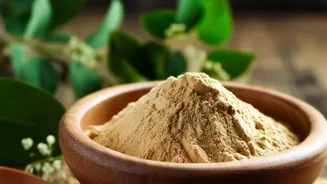
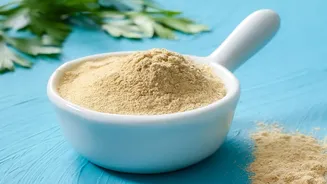
Despite the 'food-first' emphasis, protein powders are not entirely without merit. They can serve as a convenient tool in specific situations. For elite athletes or individuals undergoing intense resistance training, who may require higher protein intake (1.6 to 2.0 grams per kg of body weight), a supplement can help meet these demanding targets conveniently. It can also be useful for people with busy lifestyles who might otherwise miss a meal, or for vegetarians and vegans who find it challenging to meet their protein goals through diet alone. However, experts advise that even in these cases, supplements should be used judiciously and not as a primary source of protein. The ICMR notes that protein intake above 1.6g per kg per day does not contribute any significant further gains in muscle mass for most healthy adults in training.
Navigating the Market: Risks and Regulations
The supplement market in India is not without its problems. Studies have found that many popular protein brands engage in mislabeling, providing inaccurate information about protein content. Some products may also contain added sugars, artificial sweeteners, and even harmful substances like heavy metals. In response to these concerns, the Food Safety and Standards Authority of India (FSSAI) is implementing stricter regulations. These new rules will mandate accurate labelling, mandatory testing for contaminants, and regular audits of manufacturing facilities. For consumers, this means it's crucial to choose products from reputable brands that have FSSAI certification and to read the ingredient list carefully.