








What is Intentional Snacking?
Intentional snacking is the practice of eating with purpose and attention between main meals. It stands in direct contrast to mindless grazing, where you might find yourself at the bottom of a bag of chips without really tasting them. This approach involves
checking in with your body, acknowledging your hunger cues, and making a conscious choice about what and why you're eating. It's a blend of mindful eating, which focuses on the sensory experience of food, and nutritional awareness, which considers what your body needs. The goal isn't restriction; it's about making snacking a deliberate and positive part of your day, rather than a reaction to an external trigger like seeing a tempting treat.
The Pleasure of Mindful Choices
A key component of intentional snacking is the focus on pleasure and satisfaction. When you eat with intention, you're encouraged to fully engage your senses. This means taking the time to notice the textures, flavors, and aromas of your food, which can lead to greater enjoyment and satisfaction, even with smaller portions. Dietitians suggest that if you're craving something specific, like salty and crunchy, you should honor that desire. You can have a small portion of chips but pair it with something containing protein, like hummus or a handful of nuts. This strategy satisfies the craving while also providing nutritional balance, preventing the cycle of eating a less-satisfying 'healthy' snack only to still be searching for something else afterward. This mindful approach helps build a healthier relationship with food, removing guilt and embracing enjoyment.
The Payoff of Practical Nutrition
Beyond pleasure, intentional snacking delivers significant practical benefits. Well-planned snacks can boost your energy levels, stabilize blood sugar, and prevent the extreme hunger that often leads to overeating at your next meal. Research shows that snacks can contribute a significant portion of our daily calorie intake, making it a crucial opportunity to improve overall diet quality. By choosing nutrient-dense options, you can use snack time to fill nutritional gaps, adding more protein, fiber, fruits, and vegetables to your day. A balanced snack that combines protein and fiber—like an apple with peanut butter or Greek yogurt with berries—is particularly effective at promoting satiety and keeping you full and focused for longer.
How to Practice Intentional Snacking
Putting intentional snacking into practice involves a few simple, powerful habits. First, pause and ask yourself if you're truly hungry or just bored, stressed, or thirsty. If it is physical hunger, consider what your body is craving. Once you've chosen your snack, treat it like a mini-meal. Portion it out onto a plate or in a bowl instead of eating directly from the package. Step away from distractions like your desk or the television, and sit down to eat without multitasking. This simple act of creating a dedicated space for your snack enhances mindfulness. Finally, eat slowly and savor each bite, paying attention to your body's fullness signals. You don't have to be perfectly mindful with every single bite; even focusing on the first, middle, and last bite can make a difference.
Smart and Satisfying Snack Ideas
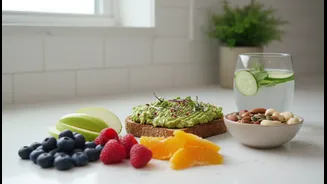
Building a repertoire of go-to intentional snacks makes it easier to make good choices. Aim for a combination of food groups. For a sweet craving, try Greek yogurt with mixed berries, a small piece of dark chocolate with almonds, or apple slices with peanut butter. If you're in the mood for something savory and crunchy, consider baby carrots or bell pepper strips with hummus, a handful of roasted chickpeas, or whole-grain crackers with string cheese. For a protein boost to carry you through the afternoon, a hard-boiled egg, a small can of tuna, or a serving of edamame are excellent options. Planning ahead and having these options readily available helps prevent you from reaching for less nourishing, highly processed snacks when hunger strikes.