








1. Make Protein a Priority at Every Meal
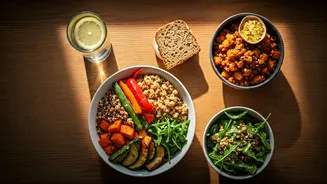
One of the most common pitfalls of a vegetarian diet is not getting enough protein. It’s essential for muscle repair, energy, and feeling full. Instead of thinking of protein as just one part of your dinner dal, aim to include a good source in every meal.
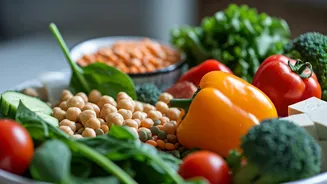
For breakfast, this could be a besan cheela, Greek yoghurt, or a handful of nuts. For lunch, ensure your plate has a generous katori of dal, rajma, chana, or a serving of paneer or tofu alongside your roti and sabzi. For dinner, explore options like lentil soups, soy chunks, or quinoa. Spreading your protein intake throughout the day helps your body absorb it more efficiently and keeps your energy levels stable, preventing that common 4 PM slump.
2. Eat a Rainbow of Vegetables and Fruits
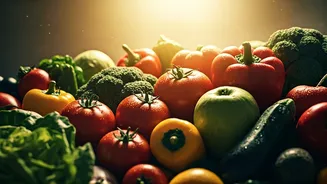
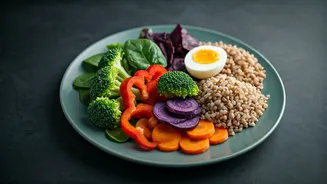
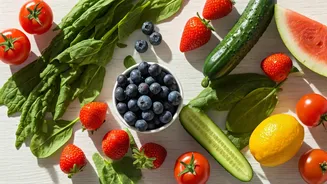
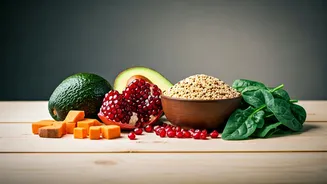
The advice to 'eat a rainbow' isn't just a pretty saying; it's a foundation of good health. Different coloured fruits and vegetables contain different vitamins, minerals, and antioxidants. A diet heavy on potatoes and onions won't cut it. Aim to have at least three different colours on your plate at lunch and dinner. Think deep greens like spinach (palak) and fenugreek (methi), bright reds from tomatoes and beets, and vibrant oranges from carrots and pumpkin. These provide everything from Vitamin A for eye health to antioxidants that fight inflammation. A simple rule is to make your sabzi the star of the meal, not just a small side dish.
3. Don’t Fear Healthy Fats
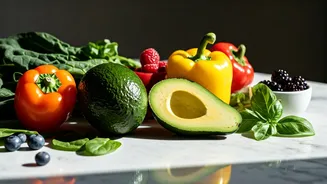
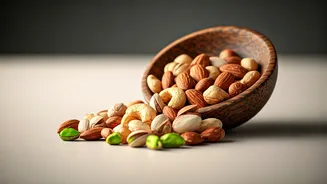
Fat is not the enemy, but the type of fat matters. Healthy fats are crucial for brain function, hormone production, and absorbing certain vitamins. While it's wise to limit deep-fried foods like samosas and pakoras, you should actively include healthy fats in your daily diet. Good sources include nuts (almonds, walnuts), seeds (chia, flax, pumpkin), and avocados. Using traditional cooking oils like ghee and mustard oil in moderation is also beneficial. A simple daily habit is to add a spoonful of flaxseed powder to your roti atta or sprinkle a mix of seeds over your morning yoghurt or salad. Walnuts are an excellent source of plant-based omega-3 fatty acids, which are particularly important for vegetarians.
4. Focus on Iron, and How to Absorb It
Iron deficiency is a significant concern, especially for vegetarian women in India. While plant-based sources of iron (non-heme iron) are abundant, they are not as easily absorbed by the body as iron from meat. You can find iron in lentils, chickpeas, beans, spinach, and fortified cereals. The trick is to help your body absorb it better. You can do this by pairing your iron-rich foods with a source of Vitamin C. For example, squeeze a bit of lemon juice over your dal and palak sabzi, or have a small glass of orange juice with your meal. Avoid drinking tea or coffee with your main meals, as the tannins they contain can block iron absorption.
5. Mind Your Vitamin B12 Intake
Vitamin B12 is the one nutrient that is almost exclusively found in animal products. A deficiency can lead to fatigue, weakness, and nerve problems over time. For vegetarians, it's crucial to be proactive about B12. The most reliable sources are fortified foods and supplements. Many breakfast cereals, plant-based milks (like soy or almond milk), and some brands of nutritional yeast are fortified with B12. Dairy products like milk and yoghurt also contain some B12. However, for many long-term vegetarians and especially for vegans, dietary sources may not be enough. It is wise to speak with a doctor about monitoring your B12 levels and considering a supplement if needed.
6. Build Strong Bones with Calcium
While dairy products like milk, paneer, and yoghurt are excellent sources of calcium, you don't have to rely on them alone. Many plant-based foods are also rich in this bone-building mineral. Leafy green vegetables like spinach and amaranth, sesame seeds (til), ragi, and fortified plant milks are great options. Tofu and chickpeas also contribute to your daily intake. Ensuring you get enough Vitamin D is also key, as it helps your body absorb calcium. A bit of daily sun exposure (early morning is best) and consuming fortified foods can help you meet your Vitamin D needs.