



An Unbreakable Cultural Connection
The link between monsoon and specific foods is deeply embedded in Indian culture. As the temperature drops and the air becomes damp, the body naturally craves warm, energy-dense foods to counteract the chill. For generations, this has translated into
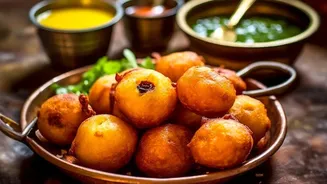
a plate of hot pakoras or bhajis, often accompanied by a steaming cup of masala chai. It’s a multisensory experience: the sound of rain on the window, the sizzle of batter in hot oil, and the comforting aroma of spices create a powerful sense of nostalgia and well-being. This craving isn't just about hunger; it's a cultural ritual, a shared comfort that brings families and friends together to celebrate the rain.
The Sizzle: A Fritter Frenzy
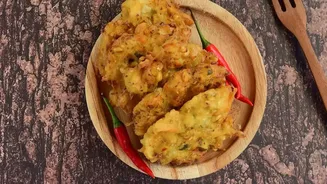
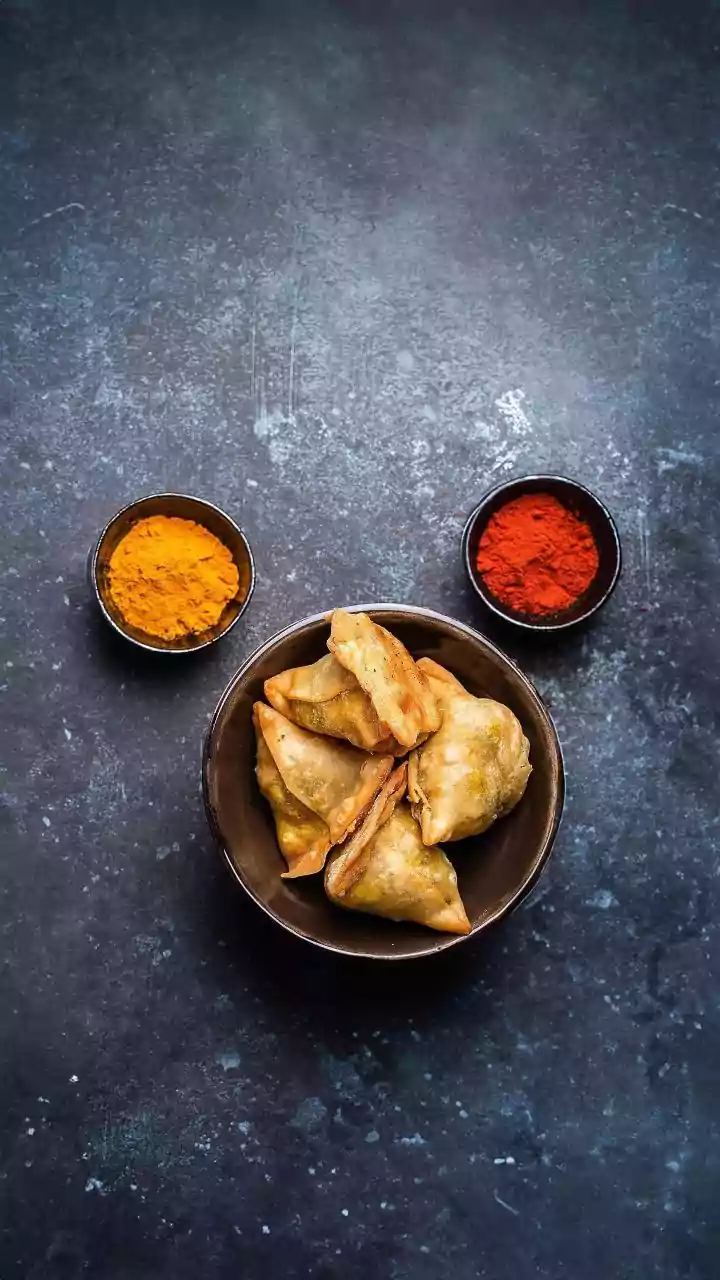
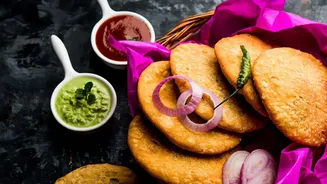
At the heart of the trend are the spicy street fritters, a broad category of snacks known variously as pakoras, bhajis, or pakodas. These are essentially vegetables or even bread coated in a seasoned gram flour (besan) batter and deep-fried to golden perfection. From the classic onion bhaji and potato pakora to the more adventurous mirchi (chilli) and paneer pakoras, the variations are endless and regionally diverse. The appeal is primal. The crispy texture and savoury flavours can stimulate the release of dopamine, the brain's pleasure chemical, while the combination of carbs and spices may boost serotonin, helping to lift moods on gloomy, overcast days.
The Steam: Comfort in Pitha
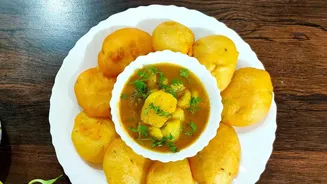
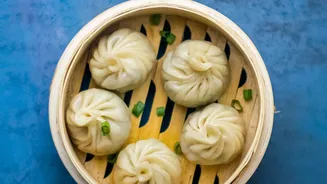
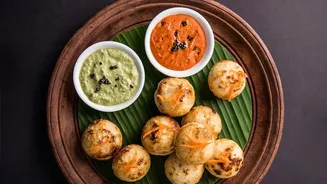
Balancing the fried frenzy is the quieter, but equally beloved, world of pitha. Pithas are a diverse family of dumplings, pancakes, or fritters, particularly popular in Eastern and Northeastern India, including states like West Bengal, Odisha, and Assam. While some pithas are fried, many of the most cherished varieties are steamed. These are typically made from rice flour, sometimes with a sweet filling of coconut, jaggery, or both. Varieties like the steamed Bhapa Pitha or the delicately prepared Enduri Pitha from Odisha, which is steamed in turmeric leaves, offer a gentler, more rustic comfort. They evoke a sense of home and heritage, a culinary hug that feels both nourishing and traditional.
From Street Corner to Your Screen
So how did these traditional snacks become social media stars? The answer lies in the visual and auditory appeal that’s perfectly suited for short-form video. Food creators and everyday users on platforms like Instagram Reels are leveraging the sensory magic of these monsoon treats. Videos feature extreme close-ups of pakoras sizzling and bubbling in hot oil, satisfying ASMR crunches, and slow-motion shots of steam billowing from a freshly opened pitha. Often set to trending monsoon-themed songs or soulful acoustic tracks, these Reels transform a simple snack into a cinematic experience. They tap into a collective craving, making viewers feel the warmth and taste the spice through their screens.
The New Digital Food Culture
This trend highlights a fascinating evolution in food culture. It's not just professional food bloggers driving the conversation anymore. It’s regular people sharing a simple, joyful moment from their kitchen or a clip from their favourite local street vendor. Inadvertently, these viral moments can have a real-world impact, putting a spotlight on small, local businesses and celebrating the unsung heroes of Indian street food. The hashtags #IndianStreetFood, #MonsoonVibes, and #PakoraLove are filled with authentic, user-generated content that feels more like a shared cultural celebration than a polished marketing campaign. It’s a digital potluck where everyone is invited to share their favourite rainy-day comfort food.