


The Dairy Foundation: Milk, Ghee, and Curd
Dairy products are at the very heart of Janmashtami cooking, symbolising Lord Krishna's childhood love for butter and milk. To prepare a traditional feast, your kitchen must be stocked with full-fat milk, fresh curd (yoghurt), and pure ghee. Milk forms
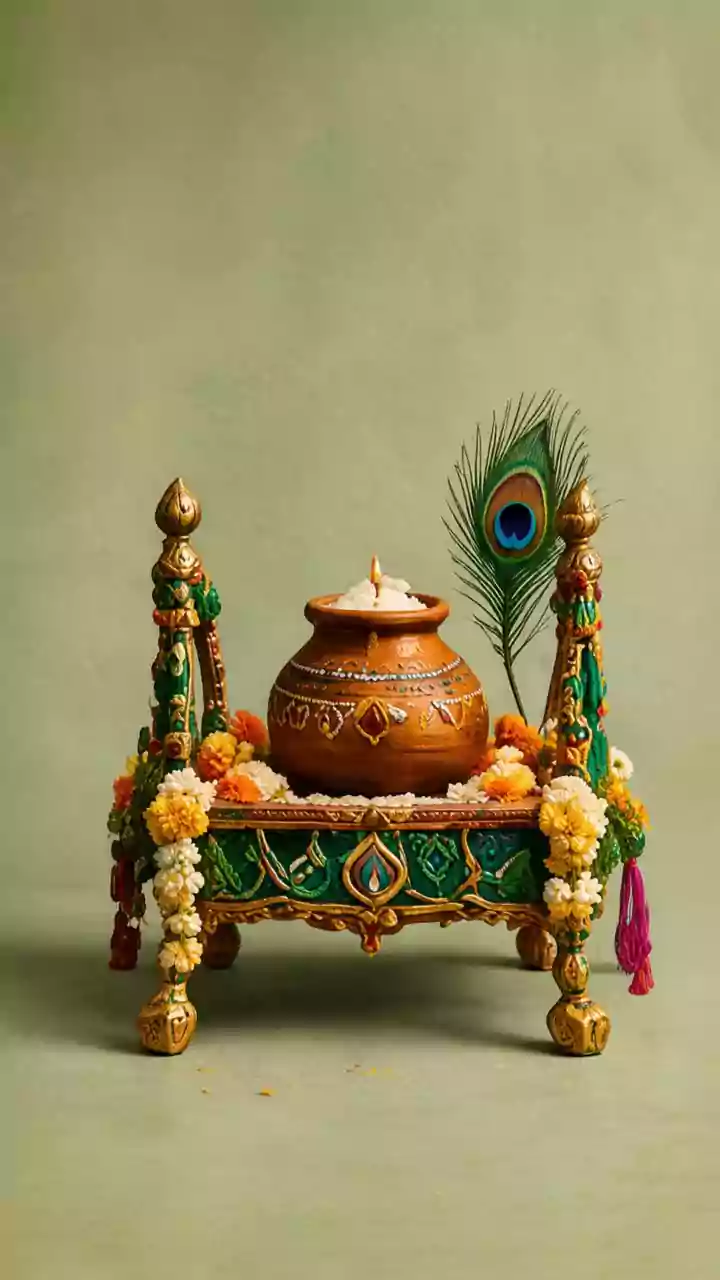
the base for classic sweets like Kheer and Rabri. Curd is a key component of Panchamrit, the sacred five-nectar drink, and is also used in cooling raitas. Ghee is the preferred cooking medium for almost all festive dishes, from frying puris to roasting halwa, as it is considered pure and adds a rich, nutty aroma. Fresh white butter, or makhan, is non-negotiable for preparing Makhan Mishri, Lord Krishna’s favourite offering.
Fasting Flours and Grains
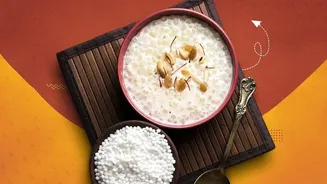
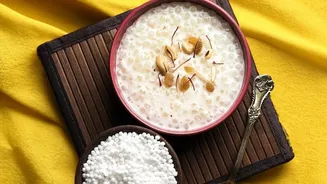
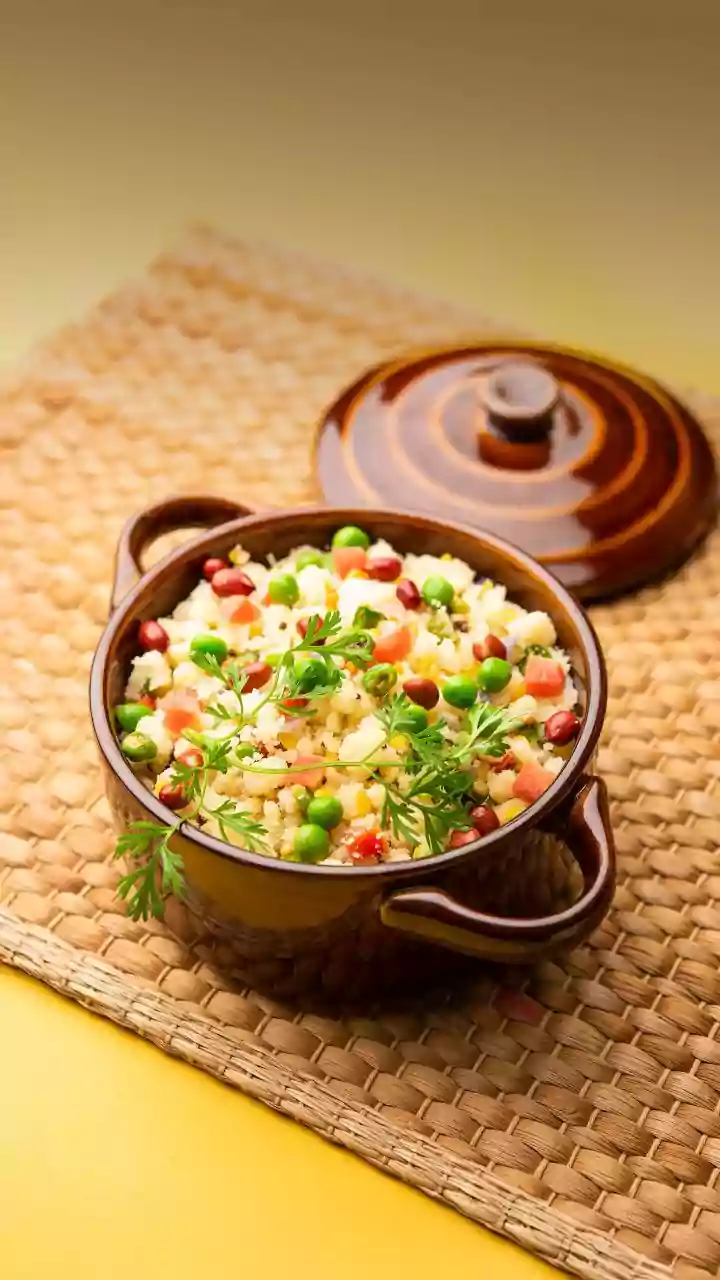
Many devotees observe a fast (vrat) on Janmashtami, abstaining from regular grains like wheat and rice. Therefore, a special pantry of fasting-friendly flours is essential. Key among these are Singhare ka Atta (water chestnut flour) and Kuttu ka Atta (buckwheat flour), used to make pooris, parathas, and pakoras. Rajgira (amaranth flour) is another versatile ingredient for rotis and sweets. Sabudana (tapioca pearls) is a fasting staple, perfect for making creamy Sabudana Khichdi or crispy vadas. Samak Ke Chawal (barnyard millet) serves as a wonderful substitute for rice in pulao or kheer, ensuring that those fasting can still enjoy a full, satisfying meal.
Sweeteners for the Divine Prasad
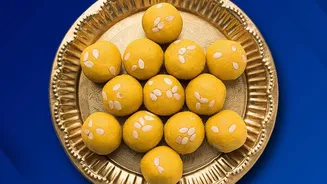
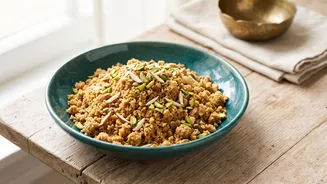
No Janmashtami bhog is complete without a touch of sweetness. The most iconic sweetener is Mishri (rock sugar), which is mixed with fresh butter to create the divine Makhan Mishri. Beyond this, you will need sugar or jaggery for a variety of sweets. Jaggery lends an earthy sweetness to dishes like ladoos. Honey is another important natural sweetener, primarily used as one of the five essential ingredients in Panchamrit. Having these on hand allows for the preparation of a wide range of desserts, from the simple Dhaniya Panjiri to the more elaborate Makhana Paag.
Nuts and Fox Nuts for Richness
Dry fruits and nuts are used generously to add richness, texture, and nutrition to the festive offerings. Almonds, cashews, and pistachios are finely chopped and added to kheer, halwa, and panjiri. Raisins provide little bursts of sweetness. However, the star of the show is often Makhana (fox nuts). These are roasted in ghee until crunchy and can be offered as a simple snack, used in kheer, or turned into the delectable Makhana Paag—a brittle made with sugar syrup, ghee, and fox nuts. They are not only delicious but also a popular and healthy fasting food.
Spices, Herbs, and Seasonings
The flavour profile of Janmashtami food is traditionally Satvik, meaning it is prepared without onions or garlic. The taste comes from a careful selection of spices and herbs. Rock salt, or Sendha Namak, is the only salt used during fasting and is a must-have. For aroma and flavour, stock up on cardamom powder and saffron strands, which elevate sweets like kheer and shrikhand. Cumin seeds are used to temper savoury dishes like fasting-friendly potato curries. A unique ingredient for this festival is coriander powder, which is roasted in ghee and mixed with sugar and nuts to make Dhaniya Panjiri, a warming prasad offered specifically on this day. Finally, fresh Tulsi (holy basil) leaves are essential for garnishing offerings, especially Panchamrit, as they are considered sacred to Lord Vishnu and his avatars.
Fresh Fruits and Vegetables
Fresh produce provides balance and freshness to the festive menu. A platter of seasonal fruits like bananas, apples, and pomegranates is a simple yet vital part of the bhog. Coconut, both fresh and desiccated, is used in sweets like ladoos and barfis. For savoury fasting dishes, certain vegetables are permitted. Potatoes are the most common, used to make simple sabzis or stuffings for pooris. Other vrat-friendly vegetables include lauki (bottle gourd), pumpkin, and cucumber, which can be used to make light curries or refreshing raitas.