



The Festive Kitchen Rush
As festivals like Diwali and Dussehra approach, our shopping lists grow longer and our kitchens become command centres for culinary creativity. We stock up on everything from ghee, besan, and exotic spices to special nuts and decorative sweets. This annual
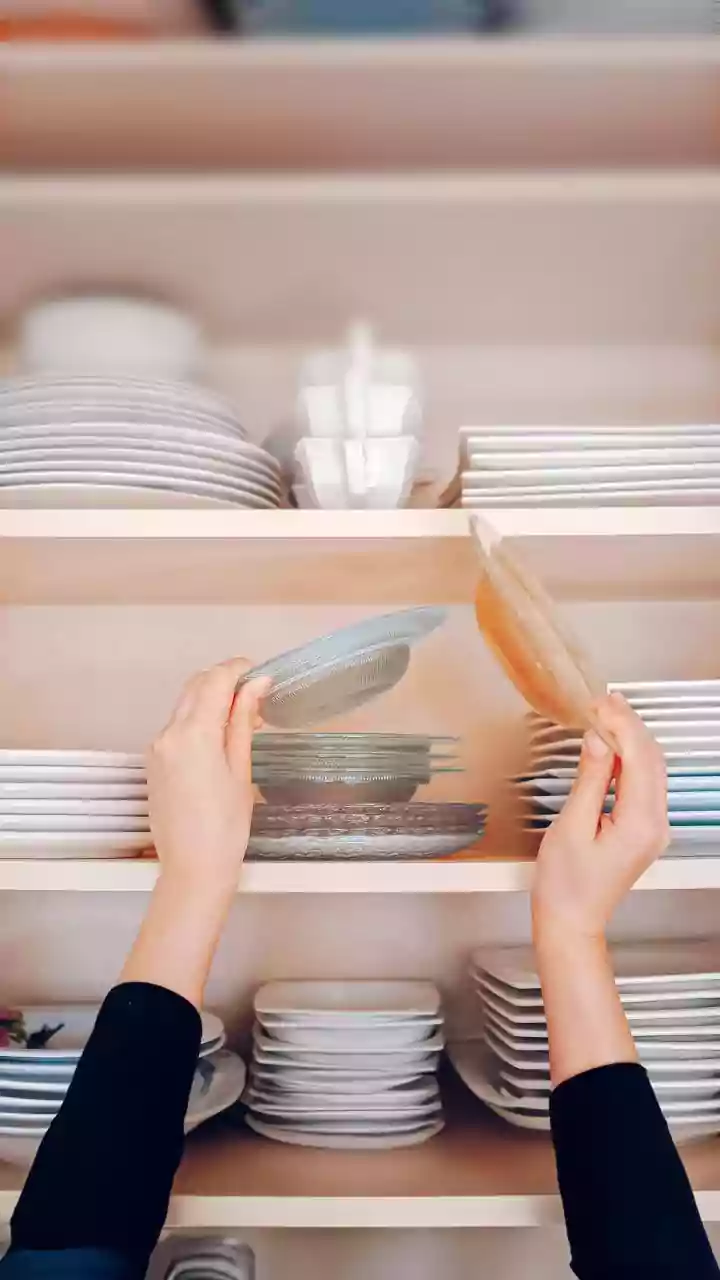
influx of ingredients, while necessary for our elaborate feasts, can quickly lead to overflowing shelves and cluttered countertops. Bags of flour compete for space with packets of spices, and soon, finding that one specific ingredient becomes a frustrating treasure hunt. Without a system, this festive abundance can easily turn into overwhelming chaos, adding a layer of stress to what should be a joyous time of preparation and celebration.
More Than Just a Neat Shelf
Pantry organisation is about more than just aesthetics; it's a strategic approach to managing your home and well-being during a busy period. A well-ordered pantry can dramatically reduce stress by making cooking more efficient and enjoyable. When you know exactly where everything is, meal preparation becomes faster and smoother. This sense of order extends beyond the kitchen, bringing a feeling of calm and control amidst the festive hustle. It transforms the pantry from a mere storage space into a functional hub that supports your culinary efforts, allowing you to focus on the joy of cooking for loved ones rather than the frustration of a messy kitchen.
Curbing Costs and Cutting Waste
One of the most significant benefits of an organised pantry is financial. When you can see everything you have, you are far less likely to buy duplicates. Taking inventory before you shop is a simple step that prevents you from purchasing another jar of cardamom when you already have two hidden at the back of a shelf. This practice not only saves money but also plays a crucial role in reducing food waste. Ingredients are used before they expire, and leftovers from one festive dish can inspire another. With a clear view of your supplies, you can plan meals more effectively, ensuring that the food you buy is eaten and enjoyed, not forgotten and thrown away.
Step 1: The Great Pantry Audit
Before you even write your festive shopping list, the first step is to conduct a thorough pantry audit. Empty all your shelves completely. This allows you to see the space you're working with and assess what you truly have. Group similar items together and discard anything that has expired or gone stale. This is also the perfect time to give your shelves a deep clean. As you take stock, make a detailed inventory of your staples, spices, and other essentials. This list becomes the foundation of your shopping plan, ensuring you only buy what you need and start the festive season with a clean, organised slate.
Step 2: Zone and Containerise
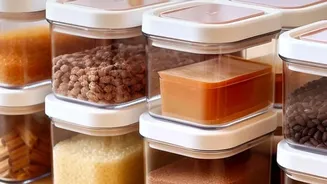
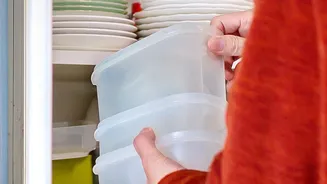
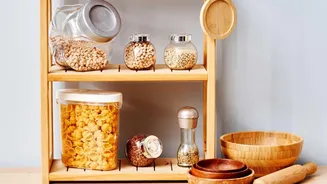
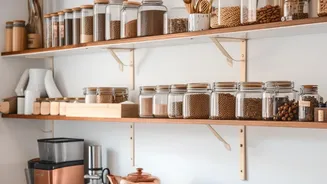
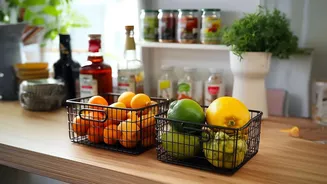
Once your pantry is clear, it's time to create a system. A 'zone' system is highly effective for Indian kitchens. Designate specific areas for different categories: daily staples (dal, rice, atta), baking supplies, festive-only ingredients, spices, and snacks. Invest in clear, airtight containers. Glass or high-quality, BPA-free plastic containers are ideal because they allow you to see contents at a glance and keep ingredients fresh, protecting them from moisture and pests. For spices, a traditional masala dabba is perfect for daily use, while uniform glass jars create a clean look and keep everything accessible. Using stackable, square containers helps maximise vertical space, which is especially useful in smaller kitchens.
Step 3: Maintain the System
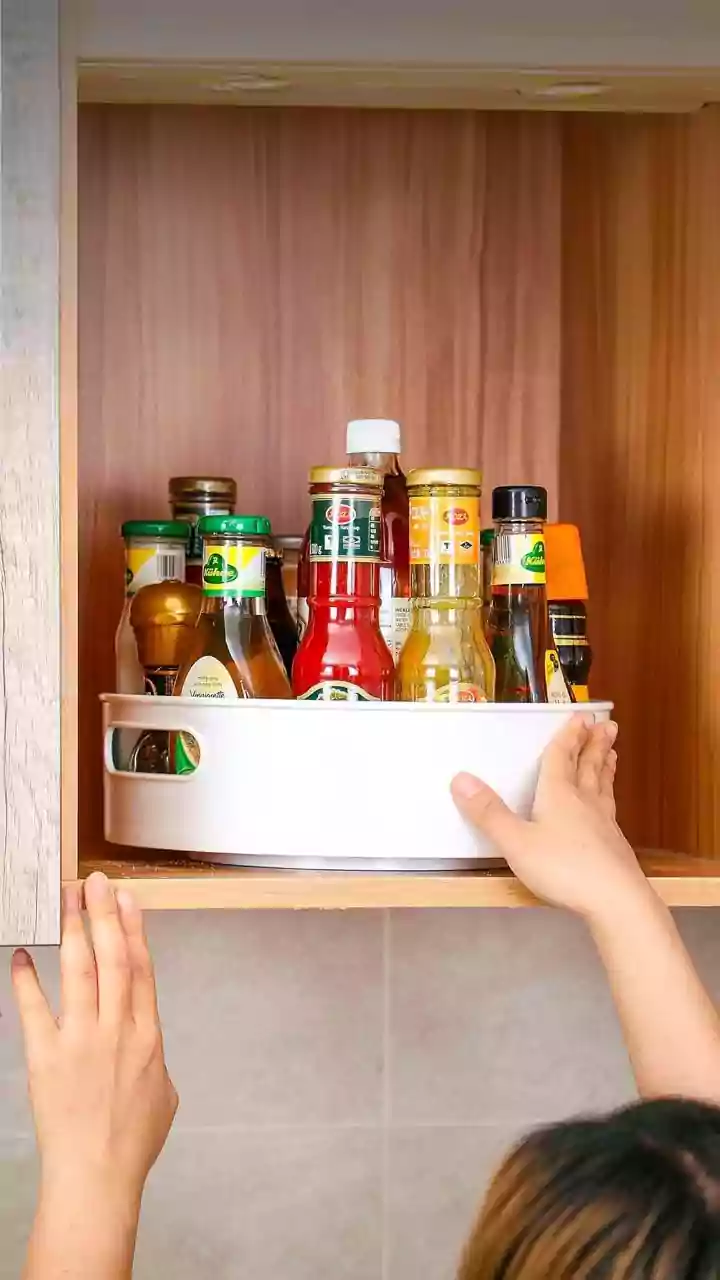
An organised pantry is not a one-time project; it requires simple habits to maintain. After a big shopping trip, take the time to decant new groceries into their designated containers immediately. Label everything clearly, including the date of purchase if helpful. Adopt a 'one in, one out' rule to prevent clutter from accumulating again. Keeping your most-used items at eye level and less-frequently used ones on higher or lower shelves makes daily cooking more efficient. A rotating 'lazy susan' tray can also be a game-changer for corners, making it easy to access oils, sauces, and jars without having to dig through everything.