
Understanding Iron: Not All Is Created Equal
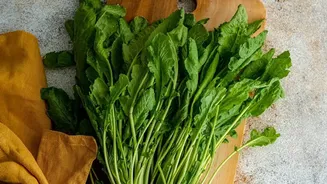
Before diving into a bowl of spinach and oranges, it’s important to know that iron from food comes in two forms: heme and non-heme. Heme iron, found in animal products like meat, poultry, and seafood, is easily absorbed by the body. On the other hand,
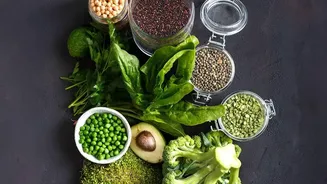
non-heme iron, which comes from plant sources like leafy greens, beans, lentils, and fortified cereals, is much harder for our bodies to use. This is a crucial distinction, especially for vegetarians, vegans, or anyone who relies heavily on plants for their iron intake. Since up to 90% of the iron in many diets is the non-heme type, figuring out how to absorb it more efficiently is key to maintaining healthy energy levels and preventing iron deficiency. Without a little help, much of the non-heme iron you consume can pass through your system without being utilized.
Vitamin C: The Key That Unlocks Iron
This is where Vitamin C, also known as ascorbic acid, comes in to play a starring role. Vitamin C is a powerful enhancer of non-heme iron absorption. When you eat iron-rich plants, the iron is in a chemical state called ferric (Fe³⁺). Your gut, however, can more readily absorb iron in its ferrous (Fe²⁺) state. Vitamin C acts as a reducing agent, converting the iron into this more bioavailable form. It essentially changes the iron into a state your body can use. Furthermore, Vitamin C forms a soluble complex with the iron, which keeps it from binding with other dietary compounds that can block absorption as it moves through your digestive system. The claim of "doubling" absorption isn't just hyperbole; some studies show that as little as 25-50 mg of Vitamin C per meal can significantly increase absorption, with some research suggesting it can increase uptake by two to seven times depending on the meal.
Perfect Pairings for Maximum Absorption
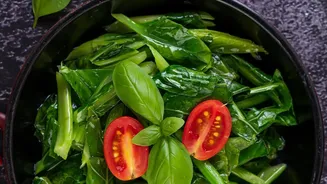
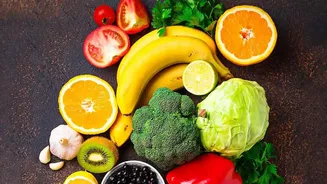
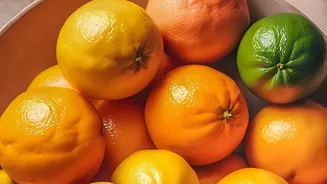
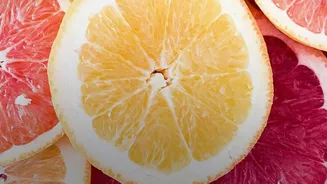
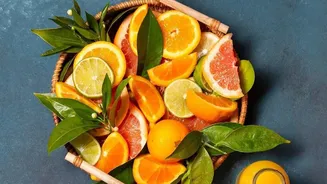
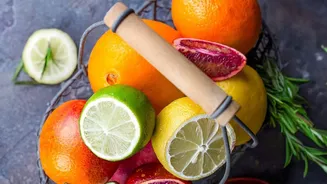
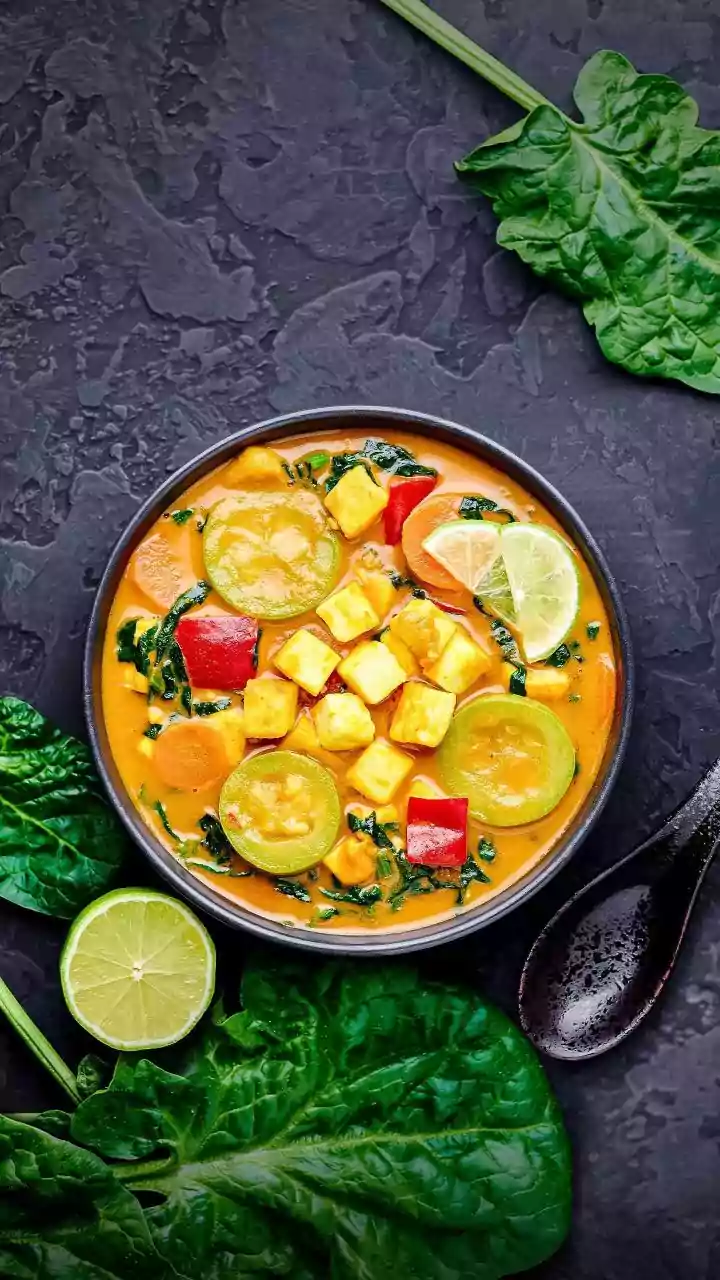
The classic combination of citrus and leafy greens is a great starting point, but the possibilities are endless and delicious. The goal is to combine a non-heme iron source with a Vitamin C-rich food in the same meal. Think beyond a simple spinach salad with orange slices. Try a lentil soup finished with a generous squeeze of lemon juice. Add chopped red bell peppers—which contain more Vitamin C than an orange—to a bean burrito or a tofu stir-fry. For breakfast, top your iron-fortified oatmeal with a handful of fresh strawberries. Other powerful combinations include a chickpea curry with tomatoes, a side of broccoli with your baked potato, or a kale smoothie blended with kiwi and pineapple. By thinking in terms of these pairings, you can easily and effectively boost your iron intake throughout the day.
Watch Out for Iron Blockers
Just as Vitamin C can boost iron absorption, other compounds can hinder it. These are known as inhibitors. The main culprits are phytates, found in whole grains, nuts, and legumes, and polyphenols (like tannins) found in coffee and tea. In fact, a single cup of coffee or tea with a meal can reduce iron absorption by as much as 60-90%. Calcium is another powerful inhibitor that competes with both heme and non-heme iron for absorption. This doesn't mean you should avoid these foods entirely, as many are healthy. Instead, be strategic. Try to drink your coffee or tea at least an hour or two before or after your iron-rich meals. If you're taking a calcium supplement, don't take it at the same time as your main iron source. Soaking beans and legumes before cooking can also help reduce their phytate content, further boosting your potential for iron absorption.