





The Mindful Difference
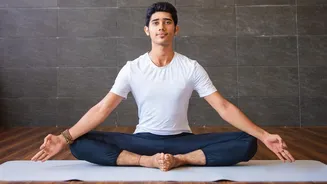
Unlike a high-intensity workout, mindful yoga is not about pushing your physical limits. It is a practice that combines gentle physical postures (asanas), controlled breathing (pranayama), and present-moment awareness. The goal is to notice what is happening
in your body and mind without judgment. This focus interrupts the cycle of anxious thoughts and helps shift your nervous system from a state of high alert, often called 'fight or flight,' to a calmer 'rest and digest' mode. Research increasingly shows that this practice can help lower levels of the stress hormone cortisol, creating lasting changes in how your body responds to pressure.
Breathe Your Way to Calm
One of the fastest ways to influence your mental state is through your breath. When you feel anxious or fatigued, your breathing often becomes shallow and rapid. Yogic breathing techniques can quickly counteract this. Deep diaphragmatic breathing, or belly breathing, is a foundational practice. By consciously slowing and deepening your breath, you signal to your brain that it is safe to relax. This simple act can lower your heart rate and blood pressure, providing an immediate sense of peace that you can access anywhere, even during a short study break or in between meetings.
Simple Poses for Exam Anxiety
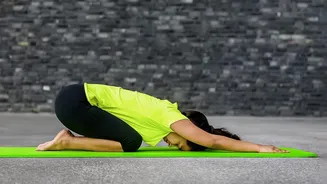
When studying for exams, mental and physical tension can build up. A few simple poses can release this strain without requiring a full workout. The Child's Pose (Balasana) is a deeply restorative posture that gently stretches the back and hips while calming the mind. To practice it, simply kneel, sit back on your heels, and fold your torso forward, resting your forehead on the floor. Another effective pose is the Legs-Up-the-Wall Pose (Viparita Karani), which promotes relaxation and can help quiet a racing mind before you sit down to study or sleep. These poses encourage you to turn inward and find a moment of stillness amidst the pressure.
Counteracting Work Fatigue and Burnout
Chronic workplace stress can lead to burnout, a state of physical and mental exhaustion that sleep alone cannot fix. Yoga can help address the toll that long hours of sitting and mental exertion take on the body. Poses like Cat-Cow, where you alternate between rounding and arching your spine, help release tension in the back and shoulders. A Standing Forward Fold can relieve tension in the neck and back, while gentle twists help improve spinal mobility. These movements don't just stretch your body; they help release the physical manifestations of stress, which in turn can improve focus and reduce the feeling of being constantly drained.
Building Lasting Resilience
While a few minutes of deep breathing or a single Child's Pose can offer immediate relief, the true power of mindful yoga lies in consistent practice. You don't need an hour every day. Even 15-20 minutes of mindful movement and breathing can have a significant impact on your overall well-being. Regular practice enhances your ability to notice the early signs of stress and respond with intention rather than reacting impulsively. Over time, yoga helps build a stronger mind-body connection and emotional regulation, making you more resilient to the inevitable pressures of life. Studies have shown that yoga can be an effective complementary approach for managing symptoms of anxiety and depression.