




The Monsoon's Earthy Bounty
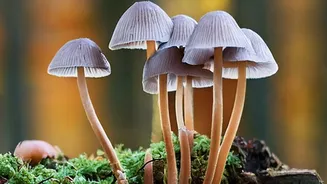
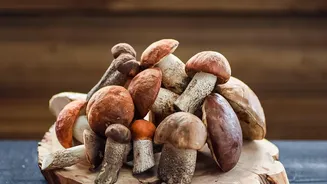
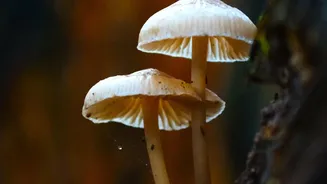
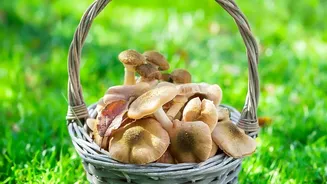
When the monsoon season rolls in, it brings more than just relief from the summer heat; it unearths a host of seasonal delicacies. Foremost among these are wild, edible mushrooms, which make their brief but celebrated appearance. Varieties like the Termitomyces,
known as 'olmi' in Goa or 'alami' in parts of Karnataka, are particularly prized. These mushrooms cannot be cultivated, growing exclusively on or near termite mounds, which makes them a truly wild and seasonal find. Their arrival is an event, with local foragers and vendors bringing them to markets often wrapped in teak leaves, their caps still dusted with red earth—a sign of their freshness and organic origins. The excitement is palpable, as these mushrooms are not just food but a tradition savoured for a few precious weeks each year.
From Forest Floor to Family Feasts
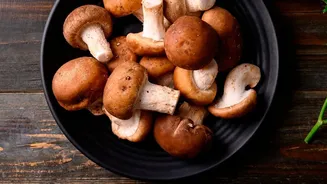
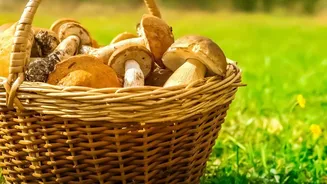
The tradition of foraging for monsoon mushrooms is deeply rooted in local communities, with knowledge passed down through generations. In many regions, this ancestral wisdom dictates which mushrooms are safe to eat and when they are best harvested. These foraging trips are often a community affair, culminating in shared family meals that celebrate the first harvest of the season. This deep-seated connection to the land is now finding a new expression in modern urban kitchens. Inspired by a broader trend of returning to nostalgic, regional home cooking, home cooks are embracing these hyper-local ingredients. They are seeking out these mushrooms from local markets, eager to connect with the flavours of their heritage and the rhythm of the seasons.
A Symphony of Flavours, Old and New
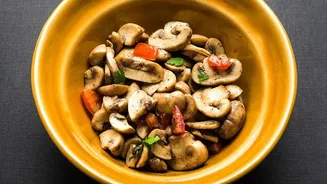
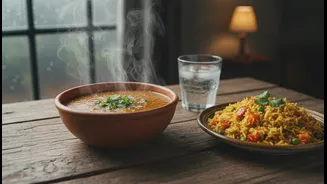
Traditionally, these meaty, flavourful mushrooms have been used in robust local dishes. In Goa, for instance, olmi are often used as a substitute for meat in a classic xacuti, a rich and spicy coconut-based curry. Other simple preparations, like a rava-fry or a simple sauté with turmeric and chilli, are also popular, allowing the mushroom's unique earthy flavour to shine. But today's home cooks are not just recreating old recipes. They are taking inspiration from these traditional uses and giving them a contemporary twist. The mushrooms are finding their way into pastas, tarts, and savoury bakes. A simple mushroom pepper fry, a South Indian staple, is being reimagined for a modern palate, served on toast for a quick breakfast. This blend of old and new reflects a kitchen that is both rooted in tradition and open to creative exploration.
Sharing the Fungal Feast
This culinary revival is being fuelled and shared on social media, where photos of glistening mushroom curries and perfectly fried fungi inspire countless others. Home cooks proudly display their market finds and their final creations, swapping recipes and tips. This digital word-of-mouth has been instrumental in turning a regional, seasonal ingredient into a nationwide conversation. It’s part of a larger movement that celebrates the story behind the food—the provenance of ingredients, the people who grow and find them, and the cultural memories they evoke. As home cooking evolves to become more intentional and experience-driven, these monsoon mushrooms have become stars, representing a delicious connection to nature, tradition, and creative self-expression in the kitchen.
A Word on Safe Foraging
The romance of foraging comes with a critical responsibility: safety. There is no single rule to differentiate an edible mushroom from a toxic one, and many delicious varieties have dangerous lookalikes. Fatal poisonings are a real risk, often stemming from misidentification. Experts stress that one should never consume a wild mushroom unless they are absolutely certain of its species, having learned from experienced local foragers or mycologists. For most home cooks, the safest way to enjoy this seasonal delicacy is to buy from trusted, knowledgeable local vendors who have been handling these mushrooms for generations. When in doubt, the cardinal rule of foraging always applies: throw it out.