



More Than Just a Sweet
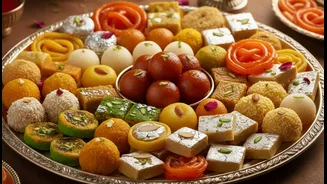
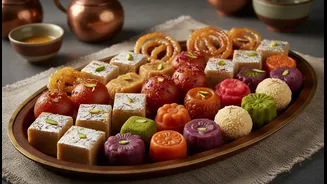
For generations, Indian sweets have been synonymous with festivals, weddings, and grand celebrations. They are edible heirlooms, passed down through family recipes and tied to the rituals of community. But today, mithai is stepping out of its traditional
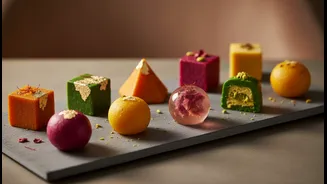
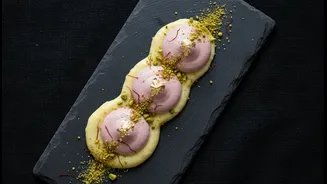
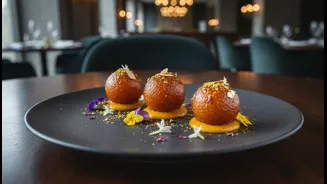
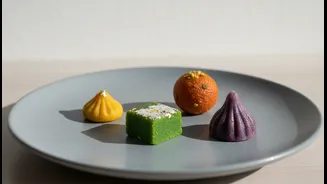
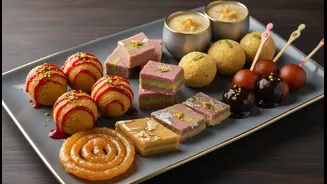
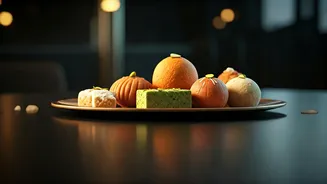
role. A culinary revolution is underway, transforming the sweets we grew up with into sophisticated desserts that are as much about artistry as they are about flavour. This isn't just about adding a new ingredient; it's a complete reimagining of form, texture, and experience. Think of kaju katli infused with 24-karat gold, motichoor ladoos with a hint of lavender, or barfis that borrow techniques from French patisserie. [12, 16] This new wave of artisanal mithai is crafted with high-quality, often locally sourced ingredients, with a conscious reduction in sugar to appeal to a more health-aware consumer. [17, 19]
The New Halwais
Leading this charge are innovative brands and chefs who are treating mithai with the same reverence as chocolatiers treat cacao. Brands like Bombay Sweet Shop in Mumbai delight with playful creations like a chocolate butterscotch bark inspired by soan papdi, while Delhi's Khoya focuses on artisanal, small-batch sweets using age-old recipes with a refined touch. [7, 13, 23] Other notable names like Arq Mithai and Saugaat by Bikanervala are blending global flavours with Indian classics, resulting in creations like coffee-infused barfis and lychee-flavoured laddoos. [11, 23] These culinary artists are deconstructing familiar sweets and rebuilding them with a modern architectural flair. It's a movement that honours nostalgia while pushing the boundaries of what an Indian sweet can be, creating a dialogue between heritage and innovation. [20]
The Café Experience
Perhaps the biggest shift is in how and where we enjoy these new-age sweets. The traditional mithai shop was primarily a place for takeaway, with sweets packed in simple cardboard boxes. Today’s gourmet mithai brands are housed in beautifully designed, café-style spaces that invite you to sit down and savour the experience. [13] These are vibrant, social hubs where you can enjoy a delicate piece of mithai with a cup of artisanal coffee or tea. The presentation is just as important as the taste, with sweets displayed like jewels in a glass case and packaging that is both elegant and 'Instagram-worthy'. [13] This transforms mithai from a purely festive treat into an everyday indulgence, a small luxury to be enjoyed with friends or as a personal pick-me-up, much like a slice of cake or a macaron.
A Reflection of Modern India
So, why is this trend taking hold now? This evolution of mithai mirrors a broader cultural shift in India. It reflects a growing confidence and pride in local culinary traditions, coupled with a global outlook. [20] A new generation of consumers, exposed to international dessert trends, craves the comfort of familiar Indian flavours presented in a contemporary format. [15, 19] They want the nostalgia of their grandmother’s cooking but with the finesse of a world-class dessert. This movement is not about replacing the traditional halwai but rather about expanding the definition of mithai. It showcases an India that is comfortable looking inward, reinterpreting its rich heritage, and presenting it to the world with a fresh, modern perspective.