


The 'No Time' Dilemma
It is a familiar story for millions of Indians: long work hours, commuting, and family responsibilities leave little room for a traditional gym session. The recommendation of 150 minutes of moderate exercise per week can feel like an impossible mountain
to climb. This 'all or nothing' mindset often leads to doing nothing at all, putting our long-term heart health at risk. Globally, this challenge is widespread, with many adults failing to meet physical activity guidelines. But what if the solution isn't about finding a 60-minute window, but about effectively using the small pockets of time we already have?
Enter the 'Exercise Snack'
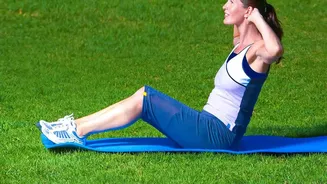
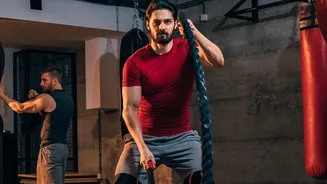
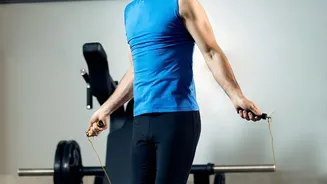
The latest buzz in fitness isn't about a new machine or a gruelling class; it's about 'exercise snacks'. These are short, intentional bursts of physical activity, typically lasting anywhere from one to ten minutes, spread throughout the day. The concept is simple: instead of one large 'meal' of exercise, you have several small 'snacks'. This could be taking the stairs instead of the lift, doing a few minutes of jumping jacks before your morning chai, or a quick session of squats while waiting for a file to download. The key is to elevate your heart rate, even for a short period. This approach is gaining traction because it's flexible, manageable, and easier to integrate into daily routines.
The Science of Short Bursts
It might sound too good to be true, but science backs up the benefits. Recent research has focused on a concept called Vigorous Intermittent Lifestyle Physical Activity (VILPA). One study found that as little as three to four one-minute bursts of VILPA per day were associated with a significant reduction in the risk of death from cardiovascular disease. These short, intense sessions improve your cardiorespiratory fitness, which is your body's ability to supply oxygen to your muscles during exercise. Better cardiorespiratory fitness is directly linked to a lower risk of heart disease. The intensity seems to be crucial; it's the effort that pushes your heart and lungs, leading to increased endurance and strength over time.
Making It Work in an Indian Context
Integrating exercise snacks into a typical Indian day is highly practical. If you live in a high-rise apartment building, make a habit of taking the stairs for a few floors. During a work-from-home break, instead of scrolling through your phone, try a one-minute micro-workout of high knees, push-ups against a wall, and squats. While waiting for water to boil or for your pressure cooker to whistle, you could do a few sets of lunges in the kitchen. Even the walk from the metro station to your office can become a workout if you pick up the pace for a minute or two. The goal is to see your daily routine not as a barrier to exercise, but as an opportunity for it.
Managing Expectations: Better Than Nothing
So, should you cancel your gym membership? Not necessarily. While brief exercise sessions are incredibly beneficial, especially for inactive individuals, they are not a complete replacement for longer, more structured workouts. A meta-analysis published in the British Journal of Sports Medicine confirmed that exercise snacks significantly improve cardiorespiratory fitness. However, the same research noted that these short bouts did not have a significant impact on other cardiometabolic factors like blood pressure or cholesterol levels in the studies reviewed. The takeaway is not that short workouts are superior, but that they are a powerful and valid starting point. For heart fitness, consistency is key, and doing something is always better than doing nothing.