


Rajasthan: The Desert in Bloom
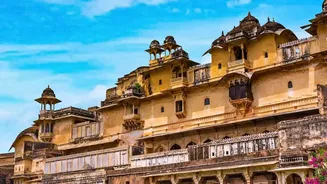
While it may seem counterintuitive, September is a magical time to visit the desert state. The monsoon rains, though minimal compared to other regions, are enough to transform the arid landscapes. The Aravalli hills around Udaipur and Mount Abu are draped
in green, and the lakes are full and shimmering. By September, the bulk of the rain has passed, leaving behind pleasant temperatures that are a far cry from the scorching heat of summer. You can explore the majestic forts of Jaipur, the romantic lakeside palaces of Udaipur, and the golden city of Jaisalmer with greater comfort and fewer crowds than in the peak winter season. It’s an ideal shoulder season for experiencing Rajasthan’s royal heritage against a surprisingly verdant backdrop.
Spiti Valley: A High-Altitude Farewell to Summer
For those seeking dramatic mountain scenery, September is arguably the best month to visit Spiti Valley in Himachal Pradesh. Lying in a rain-shadow region, Spiti is shielded from the heavy monsoon, ensuring its high-altitude roads are typically open and accessible. The weather is crisp and the skies are exceptionally clear, offering spectacular views of the stark, lunar-like landscapes and ancient monasteries perched on cliffs. As the tourist rush of summer subsides, you’ll find a quieter, more serene valley. It's the perfect time for road trips, trekking, and photography before the cold of winter sets in, making it a prime choice for adventure seekers.
Ziro Valley: Music and Mist in Arunachal Pradesh
September in Ziro Valley is synonymous with the famous Ziro Festival of Music, but the region’s appeal goes far beyond the festival grounds. As the monsoon season tapers off, the chance of daily rain decreases significantly through the month, giving way to clearer skies. The valley, a UNESCO World Heritage site nominee, is a stunning panorama of lush rice-paddy fields and dense pine forests. The weather is pleasantly cool, with temperatures ideal for exploring the villages of the Apatani tribe and trekking through the green hills. While you should still pack a raincoat for occasional showers, you'll be rewarded with some of the most vibrant landscapes in Northeast India.
Orchha: A Hidden Gem Reawakened
Nestled on the banks of the Betwa River in Madhya Pradesh, the historic town of Orchha is often overlooked but shines in September. After the monsoon, the surrounding landscape is lush and the river is full, adding to the picturesque setting of its magnificent palaces, temples, and cenotaphs. While the region sees significant rain in July and August, by September the wet season is ending, with clearer skies becoming more common as the month progresses. The rain-washed monuments look fresh and captivating, and you can explore the architectural wonders with fewer tourists around. The weather is still humid but comfortable enough for sightseeing, offering a unique chance to see this historical treasure in its greenest state.
The Coromandel Coast: A Different Monsoon Cycle
Much of Tamil Nadu and the Coromandel Coast experience their primary monsoon, the Northeast Monsoon, later in the year. This means September is a relatively drier period here compared to states affected by the Southwest Monsoon. Destinations like Pondicherry and the temple towns of Mahabalipuram and Tranquebar offer a pleasant travel experience with less rainfall. While there can still be some rain, it's generally not the persistent downpour seen elsewhere. You can enjoy walks along the French Quarter in Pondicherry, explore ancient rock-cut temples, and relax on the beaches without the peak season crowds or the heavy rains of the coming months.