






More Than Just Touching Your Toes
Flexibility training is often misunderstood as just being able to touch your toes. In reality, it’s about improving the range of motion of your joints and muscles. This enhanced mobility is the foundation for better movement in all aspects of life, especially
in the gym. When your joints can move freely and efficiently, you’re not just more flexible; you're creating a more resilient and capable body. Think of it as upgrading your body's hardware, allowing your muscular software—the strength you build—to run more effectively. A well-rounded fitness routine balances both strength and flexibility, as one without the other can lead to imbalances and limitations.
The Guardian Against Injury
One of the most compelling reasons to pair flexibility with strength training is injury prevention. Lifting weights puts stress on your muscles, joints, and connective tissues. If your muscles are tight and your range of motion is limited, your body may compensate in ways that lead to strain or injury. For example, tight hips can lead to improper form during squats, putting undue stress on the lower back. By incorporating flexibility work, you help ensure your muscles and joints can move through their full, intended range, which is crucial for preventing the overuse injuries often associated with weight training. Think of flexible muscles as being more pliable and less prone to tears when under load.
Unlocking Better Lifts and Bigger Gains
Greater flexibility can directly translate to better performance under the barbell. When you have an improved range of motion, you can perform exercises like squats and overhead presses with better form and technique. A deeper squat, for instance, engages the glutes and hamstrings more effectively, leading to greater strength and muscle development. Similarly, improved mobility in the shoulders and thoracic spine is crucial for executing overhead lifts safely and efficiently. By improving your movement patterns, flexibility allows you to activate the target muscles more effectively, maximizing the benefit of every single rep and paving the way for faster gains.
Speeding Up Your Recovery
The work you do after your last set is just as important as the lifting itself. Integrating stretching into your cool-down routine can play a significant role in the recovery process. Post-workout static stretching helps lengthen the muscles that have been contracting during exercise, which can alleviate tightness and reduce the feeling of stiffness. This process increases blood flow to the muscles, delivering essential nutrients and oxygen that aid in repairing the microscopic tears caused by lifting. While it might not eliminate delayed onset muscle soreness (DOMS) entirely, it can reduce its severity and help you feel ready for your next session sooner.
Making the Match Happen
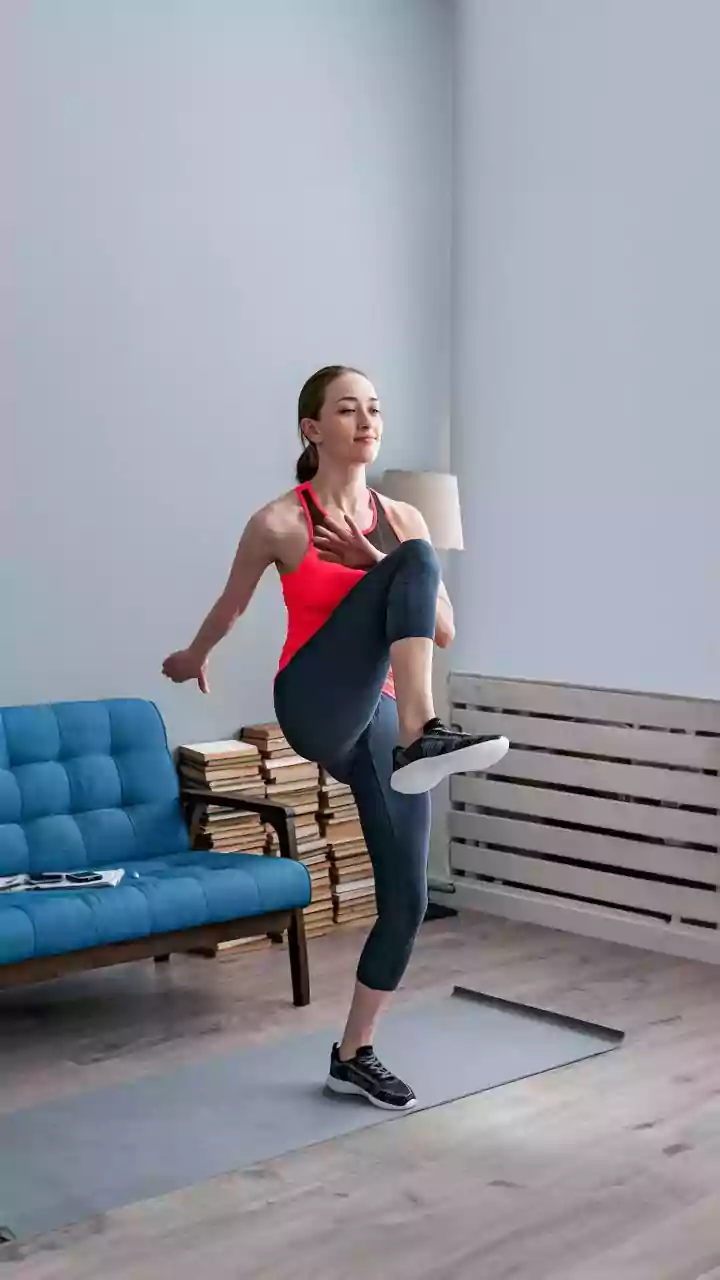
So how do you successfully pair these two powerhouses? It's all about timing. Before you lift, focus on dynamic stretching—active movements that take your body through a full range of motion, like leg swings and arm circles. This warms up the muscles and prepares them for the workout ahead. Save static stretching—holding a stretch for 30 seconds or more—for after your workout. Performing static stretches before lifting may temporarily decrease power output. Dedicate time after your session to gently stretch the muscle groups you worked. This helps restore them to their resting length and kicks off the recovery process. You can also dedicate separate days to mobility work, like yoga or a focused stretching routine, to further enhance your flexibility.