



A Shift in the Travel Itinerary
Across India, a noticeable shift in travel patterns is underway. The question guiding holiday planning is evolving from simply “where to go?” to “what can I experience?”. Instead of booking flights to a city for its landmarks, many are now timing their
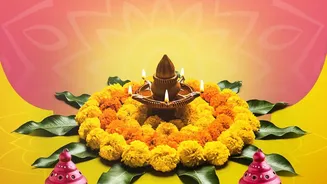
trips to coincide with cultural extravaganzas. Travel companies report a surge in demand for itineraries built around events, whether it's the dazzling lights of Durga Puja in Kolkata, the riot of colours at Lathmar Holi in Barsana, or the unique traditions of the Hornbill Festival in Nagaland. This trend, known as festival tourism, has moved from a niche interest to a significant driver of travel decisions, especially among younger, experience-seeking demographics.
The Quest for Authentic Connection
At the heart of this trend is a deep-seated desire for authenticity and connection. While traditional sightseeing can sometimes feel passive, festivals offer an opportunity for full immersion. Travellers are no longer content to be mere spectators; they want to participate, to taste the local food, learn the traditional dance, and feel the collective energy of a community celebration. Experts note that people may visit a destination once for its monuments, but they return for an experience that engages their senses and emotions. Festivals provide this cultural depth, creating lasting memories and stories that a simple postcard-perfect view often cannot.
The Social Media Factor
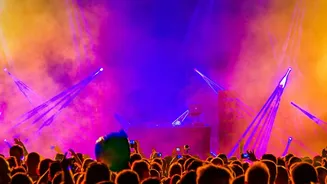
In the age of social media, the visual and experiential richness of festivals has become a new form of social currency. A vibrant reel from a folk-dance circle or a stunning photo from a lamp-lit ghat offers a unique narrative that stands out in a sea of generic vacation posts. Social media has turned every traveller into a storyteller, and witnessing these vivid experiences online creates a powerful fear of missing out (FOMO) and a desire to be part of the action. This has propelled many, particularly Millennials and Gen Z, to seek out these photogenic and culturally significant events. According to one survey, 76% of Gen Z travellers reported visiting a city for the first time specifically to attend a concert or festival.
Practicality and a New Economy
The rise of festival tourism is also driven by practical considerations. For many, these trips offer a more efficient use of time and money. A trip planned around a festival can often be combined with visiting family and friends, blending a holiday with filial duties. Moreover, many local and regional festivals offer a more budget-friendly alternative to expensive tourist hotspots. This trend is not just changing how people travel; it's creating new economic avenues. Festivals are powerful economic engines, boosting local hospitality, transport, and artisan sectors, and extending the tourist season for many destinations. In some cases, the economic impact is dramatic; Nagaland, for instance, sees a massive spike in visitors during the month of the Hornbill Festival, far exceeding numbers from the rest of the year.
From Niche to Mainstream
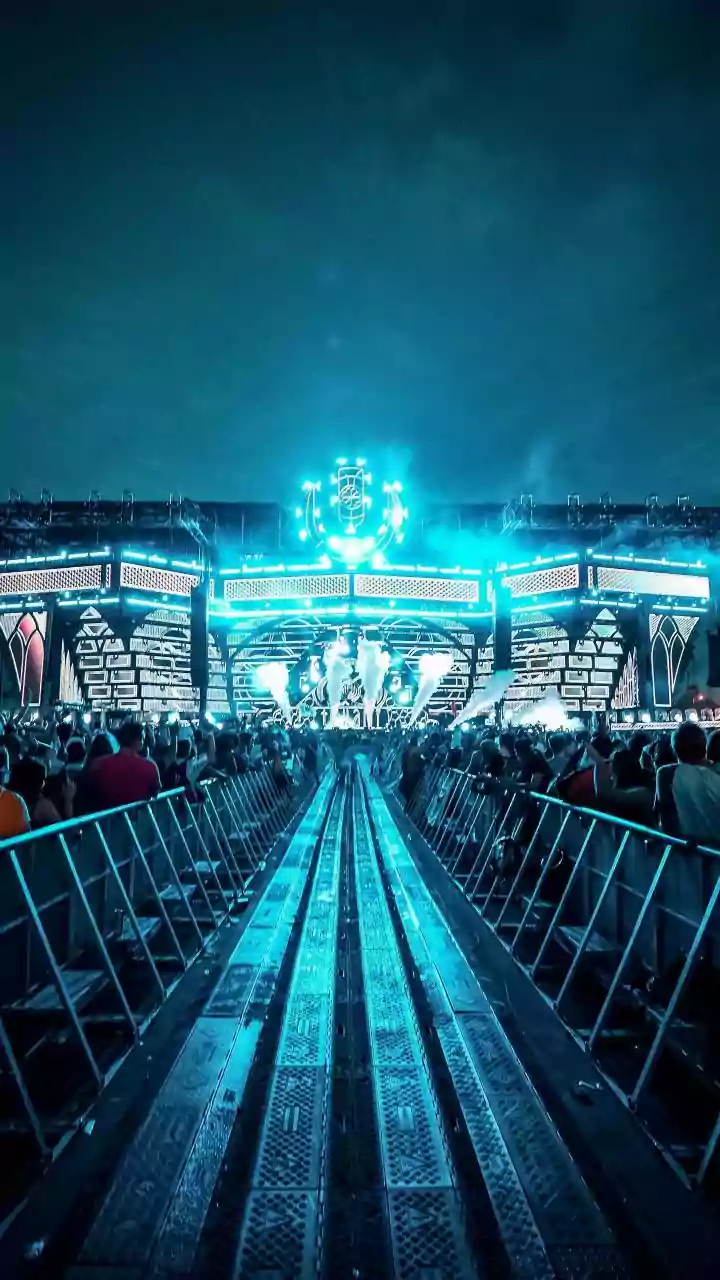
What was once the domain of backpackers and cultural purists is now firmly mainstream. Travel companies are curating year-round 'travel for a reason' calendars, offering trips built around everything from major music festivals to niche tribal gatherings. Data shows that a significant majority of Indian travellers are now open to planning a trip specifically to attend a cultural event. This isn't limited to domestic travel, either; a growing number are heading abroad for global events like Tomorrowland or Oktoberfest. The trend reflects a fundamental change: events are no longer just supporting tourism, they are driving it.