





More Than Just a Quick Meal
Upma is often celebrated for its speed, a quick-fix for hurried mornings or light dinners. But its true magic lies in its role as a comfort food. It’s the taste of home, a simple, unassuming dish that millions of Indians have grown up with. Made from
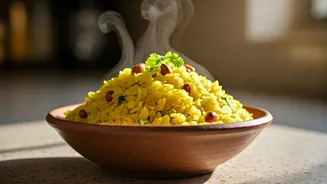
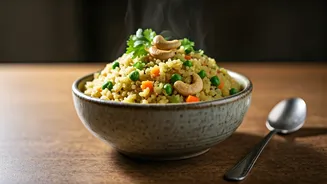
roasted semolina (rava or sooji) and packed with vegetables, it’s a wholesome meal in a bowl. The beauty of vegetable upma is its gentle nature; it doesn't shout for attention with overpowering spices. Instead, it soothes with a subtle, savoury flavour profile, carried by the earthy aroma of curry leaves and the pop of mustard seeds. It’s the kind of food that feels restorative, making it the perfect companion for a slow weekend morning, a rainy day, or whenever you need a little bit of edible comfort to start your day right.
The Secret to Fluffy, Not Sticky
The single most important step to achieving that coveted fluffy texture is roasting the rava. This is non-negotiable. Skipping this step is the primary reason for lumpy, pasty upma. Dry roasting the rava in a pan over low-to-medium heat for about 5-7 minutes does two crucial things. First, it imparts a lovely nutty aroma that forms the foundation of the dish's flavour. Second, it changes the gluten structure, ensuring that each grain remains separate when cooked in water. You'll know it's done when the rava becomes fragrant and changes to a very light cream colour. Don't rush this process and don't let it brown. Once roasted, transfer it to a plate to cool down completely before using. This simple ritual is the difference between good upma and great upma.
Building the Flavour Foundation
Every great upma starts with a flavourful tadka, or tempering. This is where the dish gets its aromatic soul. Heat a little oil or ghee in a kadai. Ghee adds a richness that perfectly complements the rava. Once hot, add mustard seeds and wait for them to splutter and pop – this releases their pungent flavour. Follow with a teaspoon each of chana dal and urad dal, frying them until they turn golden brown. This adds a delightful, subtle crunch. Next, toss in a sprig of fresh curry leaves (they will sizzle dramatically) and some chopped green chillies for a mild heat. Finally, add finely chopped onions and sauté until they are soft and translucent. This sequence builds layers of flavour that will permeate the entire dish, making it much more than just cooked semolina.
The Art of the Vegetable Medley
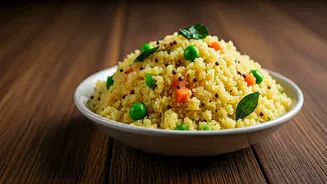
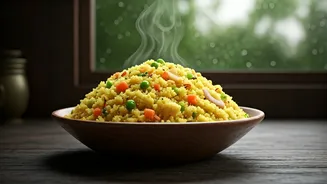
The 'vegetable' in vegetable upma isn't an afterthought; it’s an integral part of the experience, adding nutrition, texture, and colour. The classic combination includes finely diced carrots, green beans, and peas. Add the harder vegetables like carrots and beans first, along with a pinch of salt to help them cook faster. Sauté for a few minutes before adding water. If you're using frozen peas, you can add them along with the water. The key is to dice the vegetables small so they cook through by the time the rava is done. Other great additions include sweet corn, bell peppers, or even finely chopped cauliflower. The goal is to have tender, flavourful veggies that complement the soft upma without turning to mush.
Getting the Water Ratio Just Right
After the vegetables have been sautéed, it’s time for the water. This is another step where things can go wrong. A good, reliable ratio for a soft, fluffy upma is 1 part rava to 2.5 parts water. For one cup of rava, use two and a half cups of water. Bring the water to a rolling boil in the kadai with the tadka and vegetables. Add salt to the water to ensure the final dish is evenly seasoned. Once the water is boiling vigorously, reduce the flame to low and slowly pour in the roasted rava in a steady stream with one hand, while stirring continuously with the other. This constant stirring is crucial to prevent lumps from forming. Keep stirring for about a minute until the rava has absorbed all the water and the mixture has thickened.
The Finishing Touches
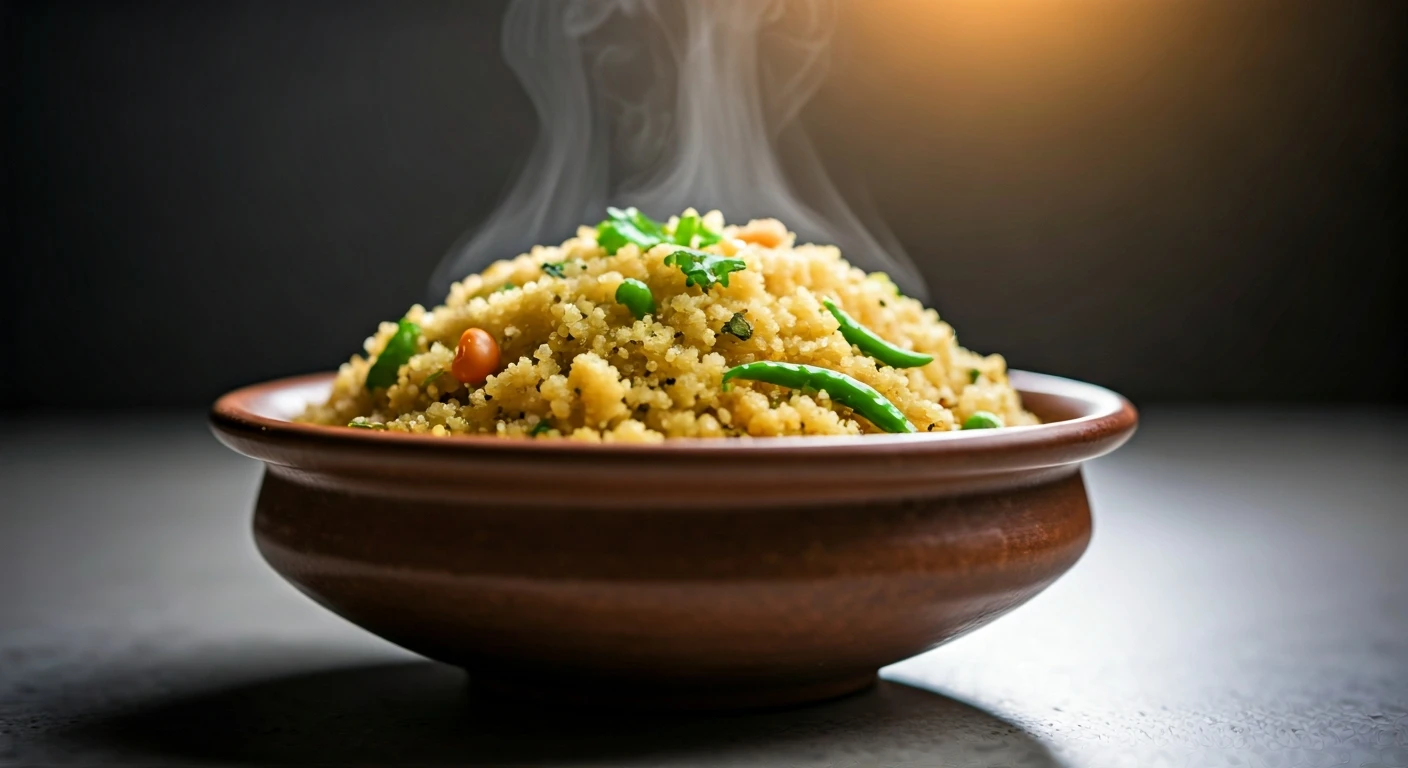
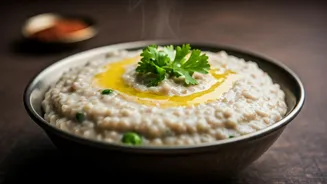
Once the rava has absorbed the water, cover the kadai with a tight-fitting lid and let it steam on the lowest possible heat for 2-3 minutes. This final steaming step makes the upma perfectly soft and allows the flavours to meld beautifully. Turn off the heat. Now, for the final touches that elevate it from simple to sublime. Add a generous dollop of ghee on top. The ghee will melt into the hot upma, adding an irresistible aroma and richness. A good squeeze of fresh lemon or lime juice cuts through the richness and brightens all the flavours. Finally, garnish with a handful of freshly chopped coriander leaves. Fluff it up gently with a fork before serving hot. This is coziness in a bowl, ready to make your morning.