


The Best Free Show of the Summer
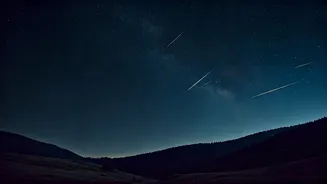
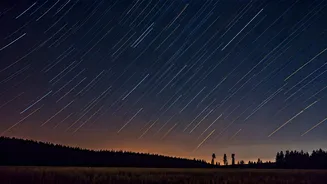
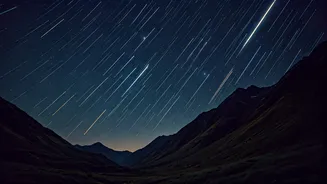
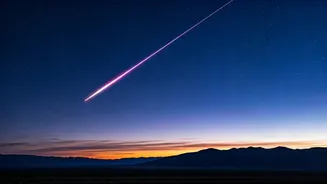
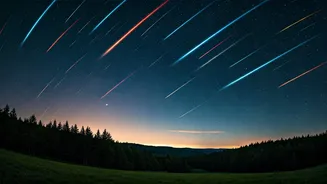
What you’re watching for is the Perseid meteor shower, an annual celestial event that has captivated stargazers for centuries. This isn’t some faint, blink-and-you’ll-miss-it phenomenon. At its peak, the Perseids can produce 50 to 100 meteors per hour—bright,
fast-moving streaks of light that seem to erupt from the heavens. These aren’t actually ‘shooting stars,’ but tiny bits of space debris left behind by the comet Swift-Tuttle. Every August, Earth plows through this cosmic dust cloud, and as the particles hit our atmosphere at incredible speeds (around 37 miles per second), they burn up, creating the spectacular light show we see from the ground. It’s nature’s fireworks, a beautiful reminder that we’re part of a dynamic, ever-changing universe.
Timing Is Everything
To catch the best performance, you need to know when to look. The Perseids are active from mid-July to late August, but they hit their ‘peak’—the period of maximum activity—around August 12-13. The absolute best time to watch is in the pre-dawn hours of the peak morning. Why so late? Because that’s when the shower’s radiant (the point in the sky where the meteors appear to originate, in the constellation Perseus) is highest in the sky. More importantly, it’s often after the moon has set. A bright moon is the enemy of meteor-watching, as its glare can wash out all but the brightest fireballs. Check your local moonset time for the peak nights. Plan to be outside from around midnight until just before dawn for the most dramatic views. The later you stay up, the more you’ll be rewarded.
Find Your Perfect Dark-Sky Spot
The single most important factor for a great meteor-watching experience is getting away from light pollution. City and even suburban lights create a skyglow that obscures the faint light of the meteors. Your goal is to find the darkest possible location with a wide, unobstructed view of the sky. This could be a state or national park, a rural backroad, or even a local sports field where the lights are off. Use a light pollution map online (like DarkSiteFinder) to locate promising areas near you. You don’t need to drive for hours into the wilderness; even a 30-minute drive out of town can make a dramatic difference. The less artificial light, the more the universe will reveal itself.
What to Bring (and What to Leave Behind)
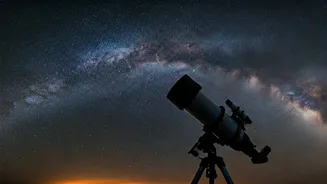
The best part about meteor watching is that you don’t need any expensive equipment. In fact, telescopes and binoculars are counterproductive, as they restrict your field of view. Your own eyes are the best tools for the job. Here’s what you should bring:
- **Comfort:** A blanket, sleeping bag, or a reclining lawn chair is essential. You’ll be looking up for a long time, and lying down is the most comfortable way to do it.
- **Warmth:** Even on a summer night, temperatures can drop significantly in the early morning hours. Bring layers, a jacket, and maybe even a thermos of hot cocoa or tea.
- **Patience:** Once you’re settled, put your phone away. It takes about 20-30 minutes for your eyes to fully adapt to the darkness. Resisting the urge to check your screen will vastly improve your ability to see the fainter meteors.
Leave the bright white flashlights at home. If you need light, use a red-light flashlight or cover a regular one with red cellophane to preserve your night vision.
Make It an Event to Remember
The ‘together’ part of the headline is key. Watching the universe unfold is a profound experience, but sharing it makes it truly special. Frame it as an adventure for your kids, a romantic date night, or a unique get-together with friends. Pack some snacks, create a mellow, space-themed playlist (think ambient or classical music), and let the conversation flow between meteor sightings. There’s something primal and connective about huddling together under the stars, pointing out streaks of light, and sharing oohs and aahs. You’re not just watching a meteor shower; you’re creating a memory, a shared story that will last long after the final meteor has faded from view.