





The Psychology of an Extra Treat
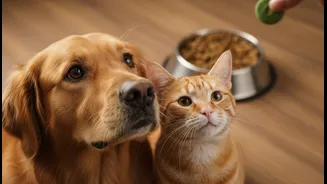
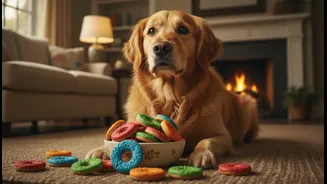
For many pet owners, food is a direct expression of love. When a dog begs with soulful eyes or a cat weaves through our legs, offering a treat feels like the easiest way to make them happy. This behaviour is often rooted in a desire to nurture and comfort
our animal companions. Sometimes, it’s driven by guilt; a busy day with less time for walks or play can lead to compensation with food. This cycle creates a powerful habit. The pet learns that begging results in a reward, and the owner gets a moment of connection. However, what feels like a kindness can be the first step towards unintentional harm, as many owners misinterpret boredom or learned behaviour as genuine hunger.
How to Spot the Signs of Overfeeding
Recognising that a pet is overweight isn’t always obvious, especially with fluffy breeds. One of the clearest physical checks is the rib test: you should be able to feel your pet's ribs under a thin layer of fat without pressing hard. Another key sign is the lack of a visible waist. When looking at your pet from above, you should see an inward curve between their ribs and hips. From the side, their belly should tuck upwards rather than hanging down or appearing rounded. Behavioural changes can also be an indicator. A reluctance to play or go for walks, lagging behind, excessive panting, or difficulty grooming are all red flags that your pet may be carrying extra weight.
The Serious Health Risks Involved
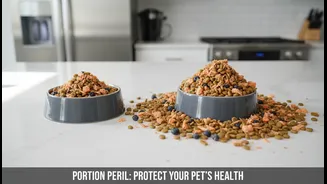
The consequences of overfeeding are not just cosmetic. Obesity is a preventable disease that puts immense strain on a pet’s body. Excess weight is directly linked to a host of serious medical conditions, including diabetes, heart disease, high blood pressure, and respiratory issues. The added stress on bones and joints can lead to or worsen painful conditions like arthritis and hip dysplasia, reducing mobility and causing chronic discomfort. Studies have shown that maintaining a healthy weight can significantly extend a pet's life, in some cases by up to two years. Overfeeding, therefore, doesn't just impact their quality of life—it can shorten it.
Finding the Right Food Balance
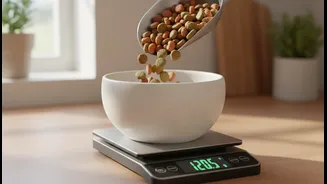
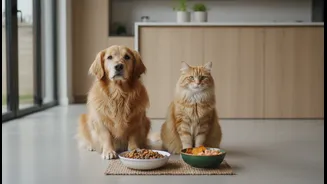
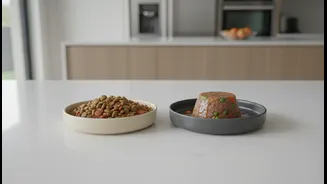
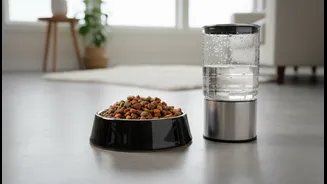
Determining the correct amount of food can feel confusing, but it’s a crucial step. The feeding guidelines on pet food packaging are a good starting point, but they are only a general recommendation. A pet's ideal portion size depends on their unique age, breed, weight, and activity level. Puppies and kittens have different caloric needs than adult or senior pets. For the most accurate measurement, many veterinarians suggest weighing your pet's food with a kitchen scale instead of using a scoop, as studies have shown that scoop measurements can be highly inaccurate. Crucially, treats count. All those little extras add up and should be factored into your pet’s total daily caloric intake. Your veterinarian is the best resource for creating a tailored feeding plan for your companion.
Pamper Your Pet Beyond the Bowl
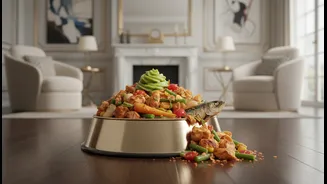
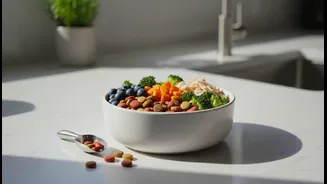
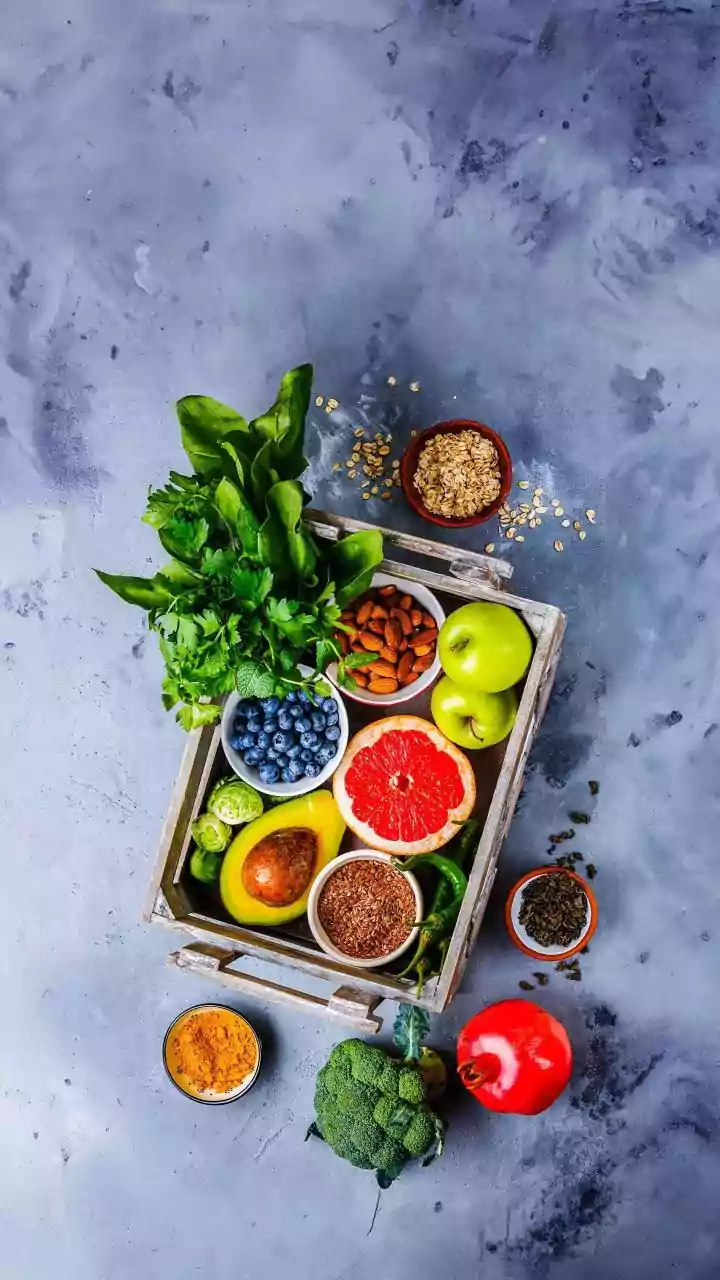
The good news is there are countless ways to show love that don't involve extra calories. What our pets often want most is our attention and engagement. Try redirecting your pampering instincts into new activities. A few extra minutes of dedicated playtime with a favourite toy, a longer walk exploring a new route, or a gentle grooming session can strengthen your bond. Teaching a new trick not only provides mental stimulation but also offers an opportunity for positive reinforcement without relying on food. If you still want to offer a snack, consider healthy, low-calorie alternatives. Many pets enjoy small pieces of carrots, green beans, or blueberries. For cats, a small bit of cooked, unseasoned chicken or fish can be a special treat.