

An Offering Fit for a God
The story of the peda is inseparable from the story of Mathura itself, the hallowed birthplace of Lord Krishna. The Braj region has always been cattle country, and dairy products like milk, butter, and curd are deeply woven into the local culture and tales
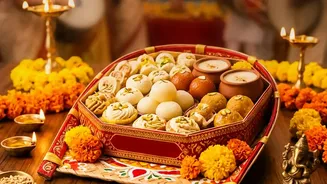
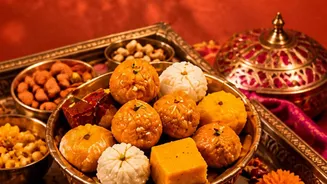
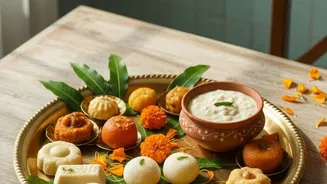
of Krishna's childhood. It is said that the peda originated as a divine offering, or 'prasad'. Legend tells of Krishna's mother, Yashoda, accidentally over-boiling milk until it thickened. Not wanting to waste it, she added sugar and gave it to a young Krishna, who loved it. This story cemented the peda's place as a primary offering in temples dedicated to him, especially during the grand festival of Janmashtami. This spiritual connection is the bedrock of its fame; for millions of devotees, a pilgrimage to Mathura is incomplete without tasting this blessed sweet.
The Art of the Perfect Peda
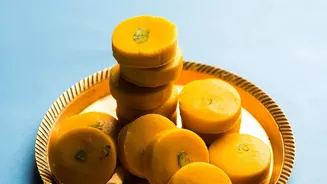
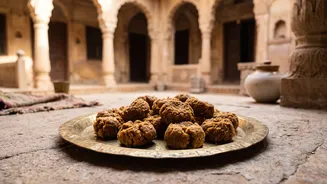
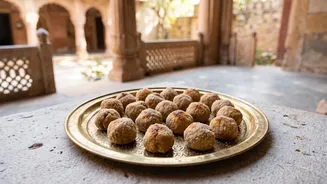
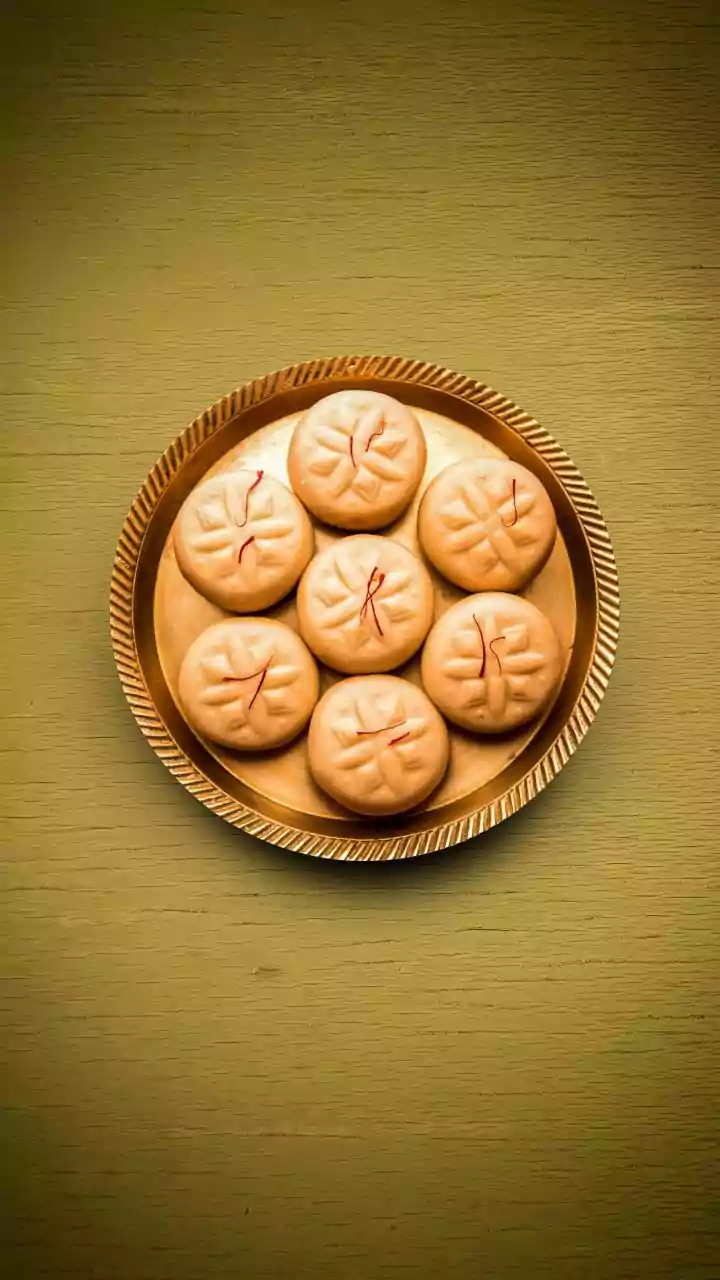
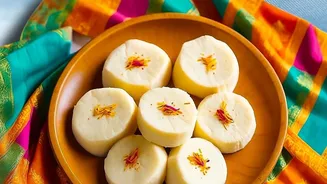
What distinguishes the Mathura Peda from its paler cousins found elsewhere in India is its unique preparation, texture, and colour. The authentic process is a labour of love, starting with pure khoya (also called mawa), which is milk that has been slowly simmered for hours until the water evaporates and only the milk solids remain. The magic happens in the next step: this khoya is roasted, often with ghee, in large pans over a low flame. This slow roasting continues until the milk solids caramelise, developing a distinctive granular texture and a rich, golden-brown hue. Finally, sugar—traditionally a special kind called 'tagar' or 'bura'—and aromatic cardamom are mixed in. This meticulous process gives the Mathura Peda its signature deep, milky flavour and slightly crumbly, melt-in-the-mouth consistency.
Generations of Sweet Makers
While the peda's origins are rooted in temple kitchens, its city-wide reputation was built by generations of 'halwais' (sweet makers). These families transformed a sacred offering into a culinary icon, with their shops becoming landmarks in their own right. Establishments like Brijwasi Mithai Wala, Shankar Mithaiwala, and Radhika Sweets are institutions in Mathura, some tracing their history back decades, if not longer. Gosai Pede Wale, a small counter near Prayag Ghat, even claims a lineage dating back to 1832. These shops are not just commercial enterprises; they are custodians of a tradition. They have preserved the authentic recipes and techniques, passing them down through generations and ensuring that the peda remains central to Mathura's identity. For locals and tourists alike, buying pedas from these trusted names is an essential part of the Mathura experience.
An Economic and Cultural Trademark
The peda is more than just a sweet; it is an economic engine for Mathura. The city's reputation as the 'Peda Capital' draws countless pilgrims and tourists, who purchase boxes of the sweet to take home as souvenirs and prasad for friends and family. This has made 'Mathura ka Peda' a brand name in itself, a term that immediately signifies authenticity and quality. The cultural importance of this sweet is so significant that an application has been filed to grant it a Geographical Indication (GI) tag. A GI tag would provide legal protection against imitations and formally recognise the peda's unique link to Mathura's heritage, further cementing its status. While the tag is still pending as of late 2026, the move underscores the sweet's immense value to the region's identity and economy.