
The New Age of Exploration
The annual transformation of the Western Ghats is a timeless spectacle, but the way it's being experienced is changing. Armed with smartphones and a thirst for adventure, young people from Mumbai, Pune, and Nashik are venturing into the hills, not just
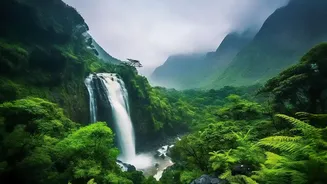
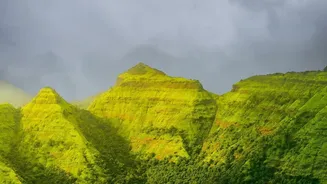
to see the waterfalls, but to document, share, and connect with them. This trend of 'rediscovery' isn't about finding entirely new places, but about seeing familiar landscapes through a fresh lens. Instagram reels of gushing cascades, drone shots of emerald valleys, and vlogs detailing challenging treks have created a digital-age word-of-mouth, turning once-niche trekking spots into must-visit monsoon destinations. This new wave of explorers is creating a community built on shared experiences and a collective appreciation for the state's natural treasures, inspiring thousands more to swap city streets for muddy trails.
Devkund: The Secret Plunge Pool
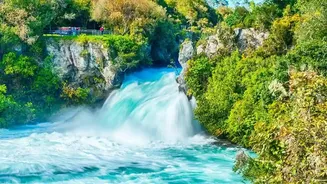
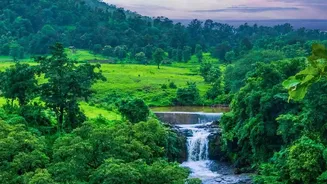
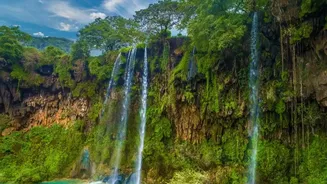
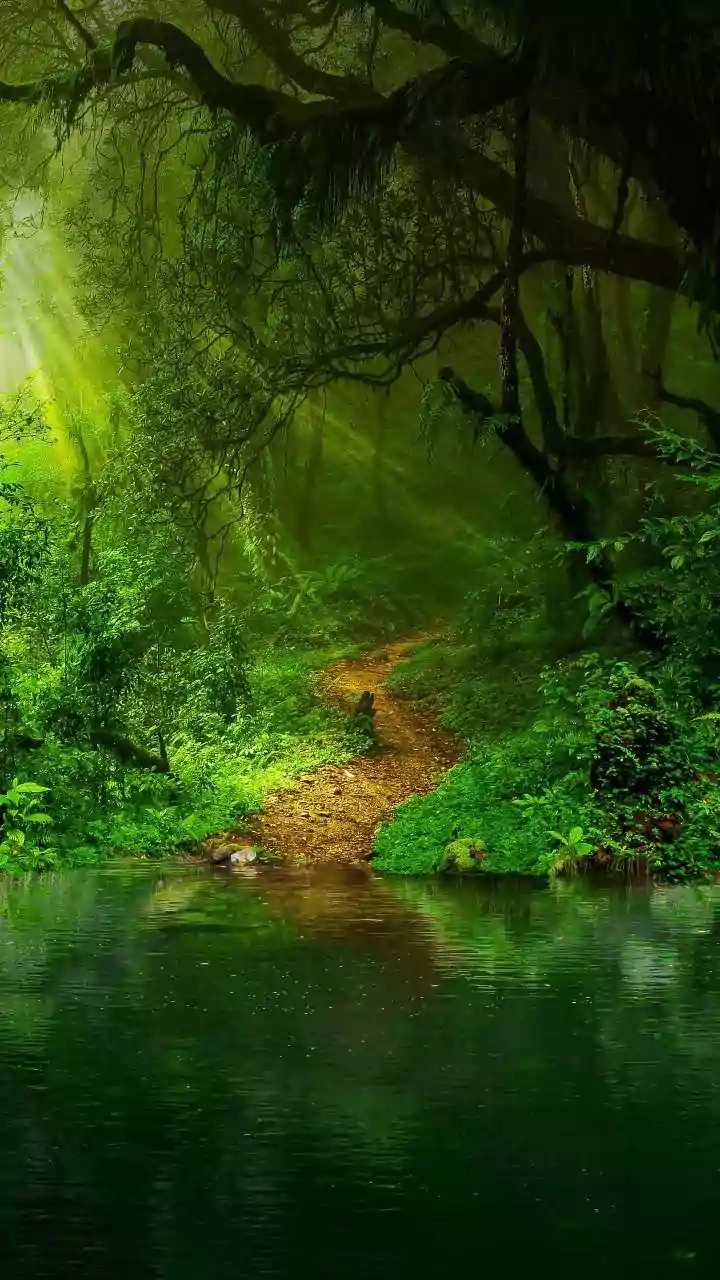
Often called the 'bathing pond of the Gods', Devkund Waterfall has become a star attraction, especially among younger crowds. Located near the village of Bhira in the Raigad district, the journey to the falls is as magical as the destination itself. The trek, an easy-to-moderate 6-7 km round trip, winds through a dense forest, involves crossing charming streams, and opens up to a breathtaking sight: a powerful stream of water plunging into a crystal-clear, bluish-green pool. This natural infinity pool is what draws photographers and nature lovers alike. The trek is accessible from both Mumbai (approx. 170 km) and Pune (approx. 110 km), making it a perfect weekend adventure. However, its popularity comes with a caveat; authorities often restrict access during periods of heavy rain due to the risk of flash floods, so hiring a local guide is highly recommended.
Vihigaon: The Adrenaline Rush
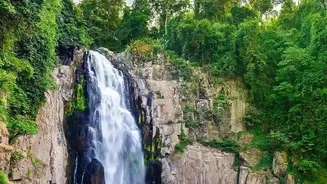
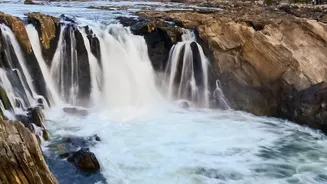
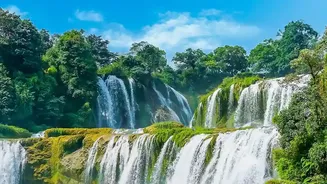
For those who crave more than just a scenic view, Vihigaon Waterfall offers a shot of pure adrenaline. Located near Kasara in the Thane district, this 120-foot cascade, also known as Ashoka Waterfall, is a hotspot for waterfall rappelling. During the monsoon, adventure outfitters set up gear, allowing thrill-seekers to descend through the powerful curtain of water. The experience of leaning back into the roaring cascade, with water gushing all around you, is an unforgettable one that attracts droves of young adventurers every weekend. The accessibility from Mumbai makes it a popular day-trip destination for groups of friends looking for a challenging and exciting outing. Even for those not keen on rappelling, the short hike through the forest to reach the falls and the beautiful plunge pool at its base make it a worthwhile visit.
Kataldhar: The Hidden Giant
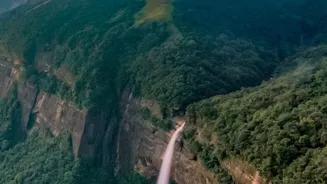
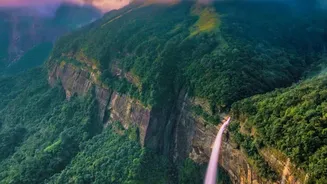
True to the spirit of 'rediscovery' is Kataldhar Waterfall, a behemoth hidden deep in the valleys near Lonavala. Unlike more accessible falls, reaching Kataldhar requires effort. It's a moderate-to-difficult trek involving a steep descent through a dense, slippery jungle trail, making it unsuitable for beginners. But the reward is a sight of raw, untamed nature. This seasonal giant, standing at approximately 350 feet, reveals its full might only during the peak monsoon months. Its most magical feature is a large cave situated directly behind the curtain of water, allowing trekkers to witness the world from behind a thundering cascade. The challenging route and lack of clear markings mean hiring a local guide is not just recommended, but essential for a safe journey.
Explore with Care: A Note on Safety
The allure of monsoon trekking is undeniable, but the Sahyadris can be as treacherous as they are beautiful. Safety must be the top priority for any explorer. Always check the latest weather forecasts, especially for upstream areas, as flash floods are a real and sudden danger. Wear appropriate trekking shoes with a strong grip, as rocks become extremely slippery when wet. It's always best to go with an experienced group or hire a local guide who understands the terrain and weather patterns. Carry essentials like a first-aid kit, sufficient water, a torch, and a fully charged phone. Most importantly, respect nature. Do not litter, avoid using loud speakers, and never enter deep or fast-flowing water. The goal is to leave these pristine places as beautiful as you found them for the next generation of explorers.