







What Exactly Is El Niño?
Think of the Pacific Ocean as a giant bathtub. Normally, strong winds (the trade winds) blow from east to west, piling up warm surface water near Asia and Indonesia. This allows cold, nutrient-rich water to rise up along the coast of South America. El
Niño flips this script. The trade winds weaken, or even reverse, causing a massive pool of warm water to shift eastward, toward the Americas. This seemingly simple change disrupts pressure systems and alters atmospheric circulation patterns globally, influencing weather for months or even years. Current forecasts for 2026 suggest we are not just seeing a typical El Niño, but a potentially historic or 'super' event, with sea surface temperatures predicted to climb significantly above normal.
The Monsoon Under Threat
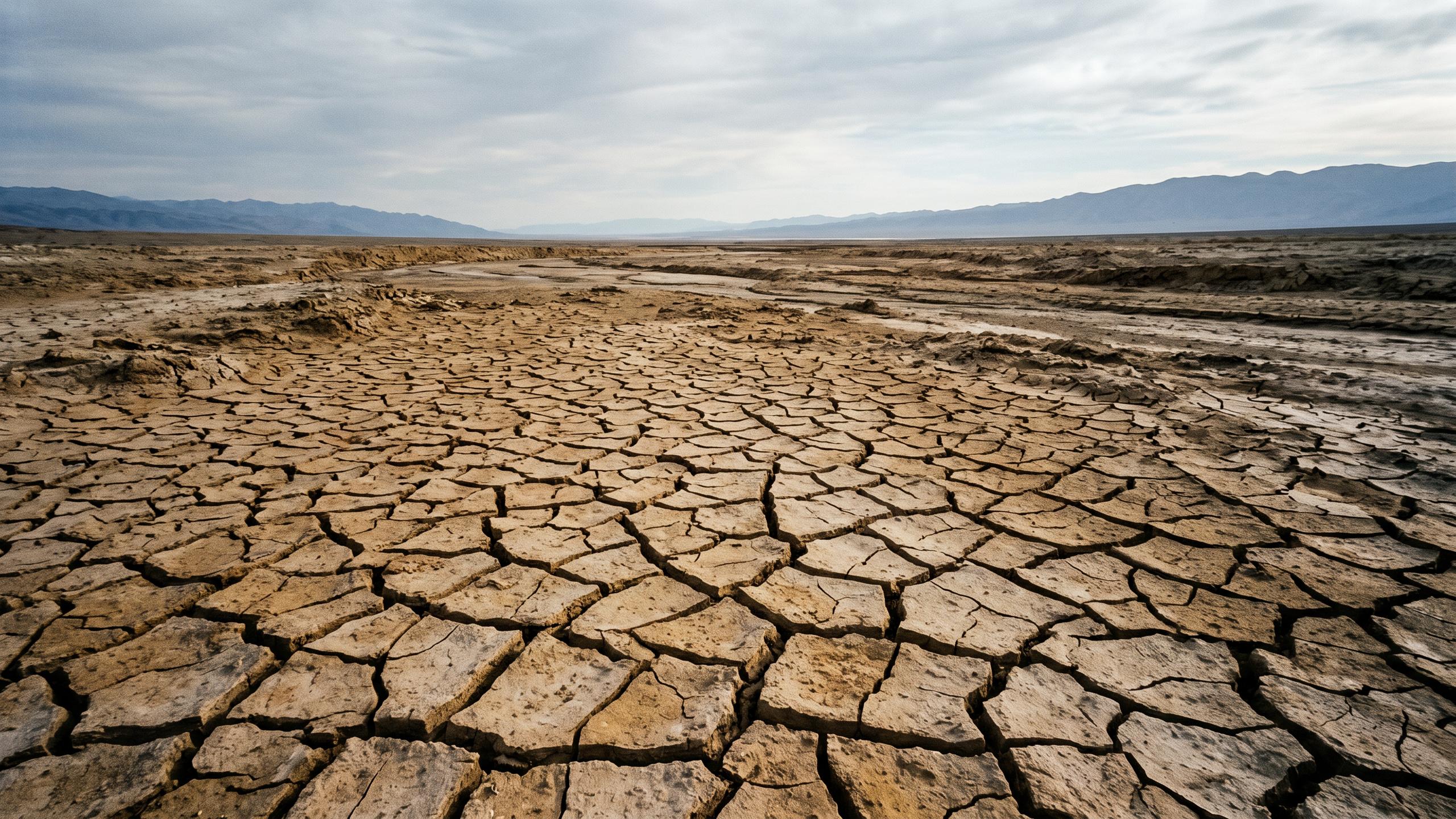
For India, the most immediate and critical impact of a strong El Niño is on the Southwest Monsoon. The phenomenon is historically linked to weaker monsoon rainfall and even drought conditions. The warm Pacific waters alter the atmospheric pressure and moisture patterns that are essential for driving the monsoon winds towards India. Forecasts for 2026 have already indicated a high probability of below-normal rainfall. Exceptionally strong El Niño events are almost always associated with significant rainfall deficits across India. This doesn't mean no rain, but rather that the total amount received between June and September is likely to be less than the country needs, with prolonged dry spells becoming more common.
A Paradox of Extremes: Drought and Floods
An intensifying El Niño creates a strange and dangerous paradox. While the overall monsoon season may be drier, it can also increase the frequency of extreme rainfall events. This means that when it does rain, it may come in short, destructive bursts, leading to flash floods and landslides even in a year with a rainfall deficit. Recent years have demonstrated this, with regions experiencing devastating floods despite the seasonal total being below average. This happens because the altered atmospheric conditions can lead to more intense, concentrated downpours rather than the steady, soaking rains the land requires. So, India faces the dual threat of not having enough water overall, while also being vulnerable to sudden, localized deluges.
The Economic Ripple Effect
A weak monsoon is not just a weather story; it's a major economic event. With around half of India's farmland being rain-fed, a deficient monsoon directly hits the agricultural sector, which is the backbone of the rural economy. Key Kharif crops like rice, pulses, and oilseeds are particularly vulnerable, leading to lower yields. This drop in agricultural output can trigger a domino effect: food prices rise, pushing up retail inflation and straining household budgets. Reduced farm income weakens rural demand for goods and services, from tractors to FMCG products. The strain extends to water reservoirs, affecting drinking water supplies and reducing hydropower generation, which can, in turn, increase dependence on coal.
Beyond the Rains: Heatwaves and Health
The impacts of a strong El Niño are not confined to the monsoon season. El Niño years are often associated with warmer-than-average temperatures, particularly during the pre-monsoon summer months. An intense El Niño can amplify heatwaves, making them more frequent and severe. The heat generated during a peak El Niño can persist for months, meaning the spring and summer of the following year, in this case 2027, could see unusually high temperatures. This raises significant public health concerns, increasing the risk of heatstroke and other heat-related illnesses. It also puts additional stress on energy grids as the demand for cooling skyrockets.