

From Dabba to Bento: A Lunchbox Evolution
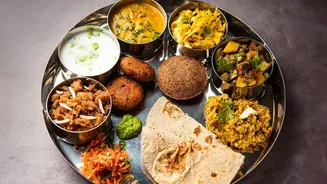
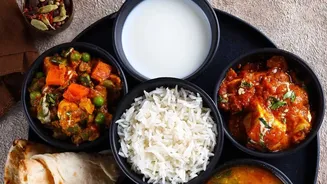
The traditional Indian lunchbox, known as a tiffin or dabba, is an icon of practicality. These stacked steel containers are built to last, efficiently carrying everything from dal and sabzi to rice and rotis, a system perfected by Mumbai's famous dabbawalas.
The Japanese bento box, however, tells a different story. Originating centuries ago, the bento is rooted in balance, aesthetics, and meticulous organisation. Early versions were carried by travellers and samurai, but they evolved into an art form where visual appeal is as important as nutrition. Today, this Japanese concept of a beautifully arranged, single-container meal is finding a new home in Indian culture.
The Allure of Compartments and Control
So, why are many Indians swapping the sturdy dabba for the sleek bento? One of the biggest drivers is practicality. The core feature of a bento box is its compartments. For Indian cuisine, with its array of gravies, dry vegetables, salads, and pickles, this is a game-changer. The dividers prevent the flavours from mixing, ensuring that a serving of raita doesn't blend into a spicy paneer tikka. This appeals to a preference for distinct flavours on the plate. Furthermore, bento boxes facilitate portion control, aligning with a growing awareness around wellness and mindful eating. The predefined sections offer a simple visual guide for creating a balanced meal with the right amounts of carbs, protein, and vegetables.
A Feast for the Eyes (and Instagram)
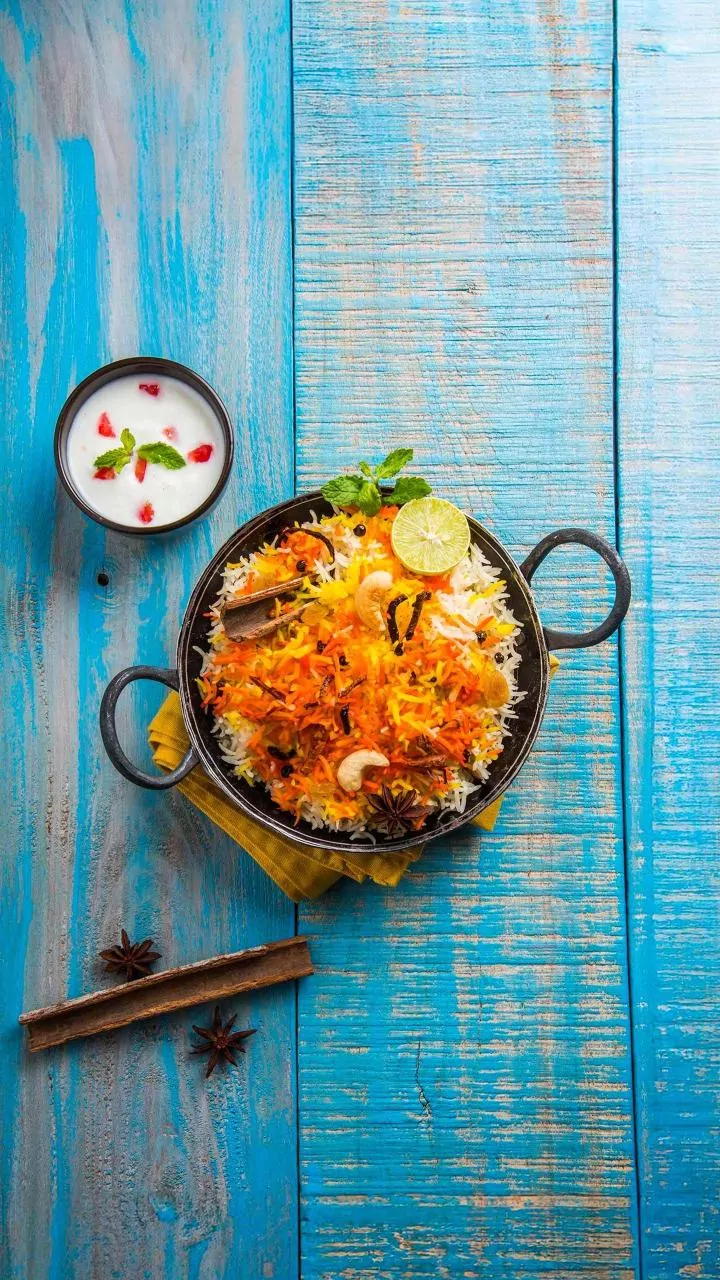
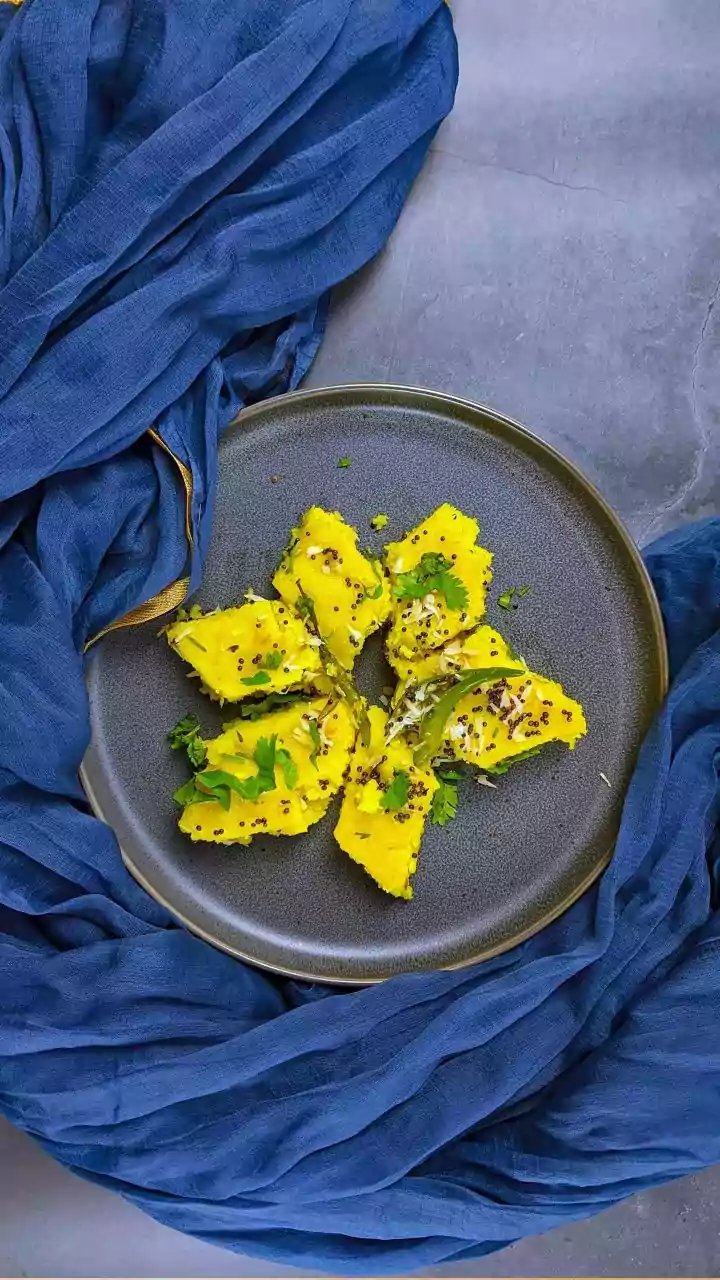
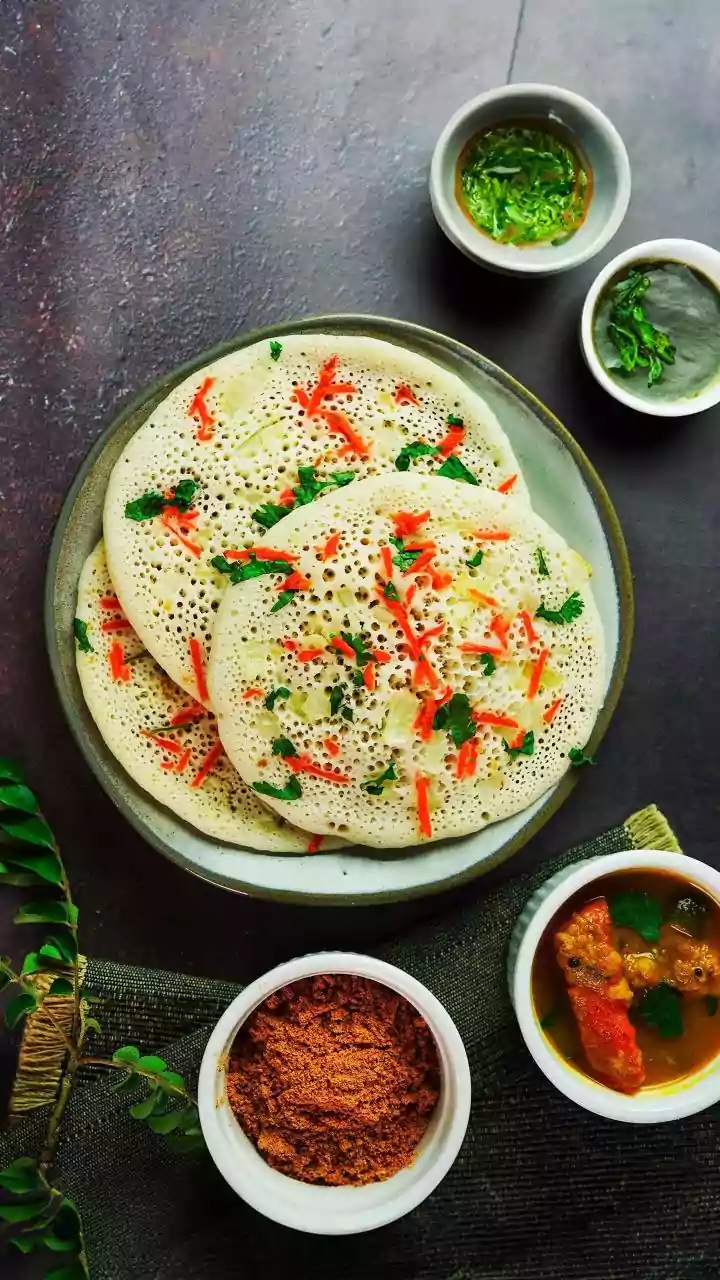
In an age where we eat with our eyes first, the bento box is a natural fit. Its layout encourages creativity and a visually pleasing arrangement of food. The vibrant colours of Indian cooking—the deep red of a beetroot poriyal, the bright yellow of dal tadka, and the fresh green of coriander—look stunning when neatly organised. This has made the "desi bento" a rising star on social media platforms like Instagram and Pinterest. Home cooks and food bloggers are proudly sharing their creations, turning the everyday task of packing lunch into a creative outlet. From mini masala dosas and roti rolls to colourful vegetable pulao and paneer skewers, the bento format inspires a new level of artistry in presenting home food.
Making Tradition Appealing for Everyone
This trend isn't about replacing Indian food but rebranding its presentation. For parents, a colourful bento box can make traditional dishes more exciting and appealing to children who might otherwise be picky eaters. Arranging a meal with rice shaped like a teddy bear or creating a rainbow of sliced vegetables can turn a simple lunch into a fun experience. For adults in the corporate world, a bento box is a convenient, mess-free, and stylish way to carry a nutritious meal to the office. As work culture evolves with hybrid models, the need for portable and satisfying meals has grown, and the bento fits this requirement perfectly.