



The Triple Drivers: Health, Hustle, and Hype
The shift away from time-intensive, traditional breakfasts is not a rejection of taste, but an embrace of a new lifestyle. Three key factors are reshaping morning routines for Gen Z and millennials: health consciousness, the need for convenience, and global
exposure. This is a generation more aware of nutrition than any before, tracking macros and reading labels. They seek food that fuels their demanding schedules, from early-morning gym sessions to late-night study hours. At the same time, convenience is non-negotiable. Mornings are often the most rushed part of the day, making quick, portable options essential. Finally, social media has opened up a world of global food trends, making smoothie bowls, avocado toast, and overnight oats as familiar as traditional fare.
The New Breakfast Plate
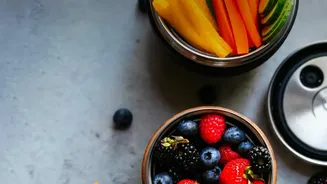
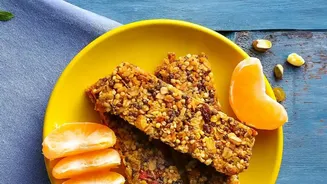
So what is replacing the classic upma or dosa? The new breakfast menu is diverse. Cereals, once a simple Western import, have been upgraded to include healthier options like oats, muesli, granola, and millet-based mixes. The Indian breakfast cereal market is growing steadily, projected to expand significantly by 2031 as young consumers seek out these quick and customisable meals. Another major trend is the 'snackification' of breakfast, where the morning meal is replaced by smaller, functional foods like protein bars, yogurt bowls with fruit and seeds, or smoothies. These options align with a desire for lighter, cleaner sources of energy that don’t cause a post-meal slump. Even international trends like the acai bowl are finding a foothold in Indian metros, appealing to wellness-conscious urban professionals.
Not Goodbye, But an Upgrade
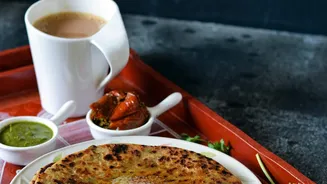
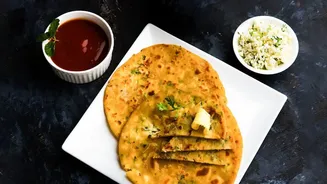
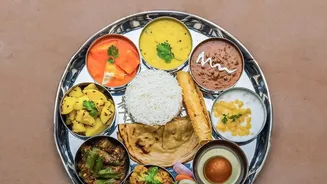
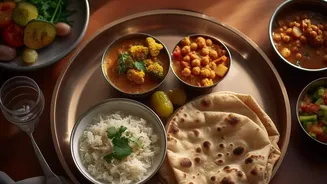
This evolution doesn't mean traditional Indian breakfast is disappearing. Instead, it is being adapted for the modern era. Many young people still enjoy home-cooked meals, but they are often simplified. For example, a moong dal chilla is seen as a high-protein, gut-friendly option that is quick to prepare. Similarly, the core ingredients of traditional breakfasts are being used in new ways. Millets like ragi and jowar are making a comeback, not just in traditional porridge but as key ingredients in modern dosas, upma, and even ready-to-eat breakfast mixes. Brands are also responding by launching instant or ready-to-eat versions of classic dishes, bridging the gap between convenience and familiar flavours. This blending of old and new shows a generation that is not abandoning its culinary heritage, but rather expanding it.
The Bigger Picture: A Reflection of Modern India
The changing breakfast plate is a mirror reflecting larger shifts in Indian society. Increased urbanisation, rising incomes, nuclear families, and global exposure are all contributing factors. For many young people, food choices are a form of self-expression and an indicator of a modern, global identity. They are more likely to research what they eat, value presentation, and seek meals that align with a balanced, wellness-oriented lifestyle. While some express concern about the move away from traditional diets, particularly the rise of processed foods, others see it as a positive evolution. This generation is creating a hybrid food culture, one that values both the nutritional wisdom of ancient grains and the efficiency of a pre-packaged smoothie.