



The Gentle Push of Plasma
At the heart of this revolution are plasma thrusters, a form of electric propulsion (EP). Unlike traditional chemical rockets that create a powerful, fuel-guzzling blast, electric thrusters work on a different principle. They use electrical power, typically
from a satellite's solar panels, to energize an inert gas like xenon. This process creates plasma—a fourth state of matter—and generates a stream of electrically charged particles, or ions. An electric and magnetic field then accelerates these ions and ejects them at incredibly high speeds, producing a gentle but continuous push. The thrust is minuscule, sometimes compared to the force of a sheet of paper resting on your hand, but when maintained over months or years, it can produce significant changes in a satellite's velocity and position.
Efficiency Over Brute Force
The key difference between chemical and electric propulsion lies in efficiency, measured by a metric called 'specific impulse'. Think of chemical rockets as drag racers: they offer immense thrust for a short period, perfect for escaping Earth's gravity, but they burn through their propellant very quickly. Electric thrusters, on the other hand, are like hyper-efficient marathon runners. Their specific impulse is vastly superior, with ISRO's new systems being at least six times more efficient than conventional chemical thrusters. This means that for every kilogram of propellant, an electric thruster can achieve far more 'push' over time. This incredible efficiency is what allows for the two major benefits: dramatic weight reduction and significantly extended mission lifespans.
The 'Less Fuel' Advantage
Launching anything into orbit is extraordinarily expensive, and a huge portion of a satellite's launch mass is dedicated to the chemical fuel it needs for in-orbit manoeuvres. By switching to a highly efficient electric propulsion system, the amount of required propellant plummets. For example, a satellite that might have needed over 200 kg of chemical fuel could potentially operate with a fraction of that in xenon gas. This massive weight saving is a game-changer. It means ISRO can either launch the same satellite on a smaller, cheaper rocket or use the saved mass to pack more valuable equipment, like extra transponders on a communication satellite, increasing its capability and return on investment.
The 'Longer Life' Dividend
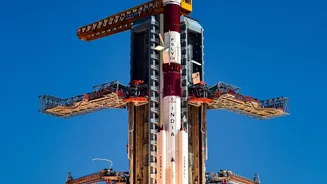
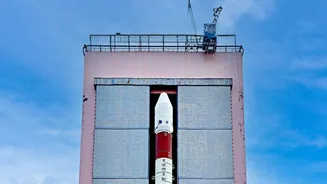
A satellite's operational life is often determined by how long its fuel lasts. Once it runs out of propellant for 'station-keeping'—the small adjustments needed to maintain its correct orbit—it becomes space debris. Because electric thrusters sip their xenon propellant so slowly, they allow satellites to perform these essential manoeuvres for many more years. This extends the satellite's useful life from a typical 12-15 years to potentially much longer, maximising the value of these costly assets. ISRO has been systematically developing this capability, with successful long-duration tests of its stationary plasma thrusters validating their reliability for future missions. The upcoming Technology Demonstration Satellite (TDS-01) is set to be a key milestone, validating a fully indigenous electric propulsion system in space.
An Electric Future for Indian Space
This technology is more than just an incremental improvement; it is a fundamental enabler for ISRO's future ambitions. While ISRO has experimented with electric propulsion before, including on the GSAT-9 satellite using some imported components, the current push is towards fully indigenous systems. This self-reliance is crucial. Lighter and longer-lasting satellites strengthen India's position in the commercial launch market, making its offerings more competitive. Furthermore, the high efficiency of plasma thrusters is critical for long-duration deep-space missions, such as future probes to Mars or Venus, where carrying massive amounts of chemical fuel is simply not feasible. By mastering electric propulsion, ISRO is paving the way for more complex, cost-effective, and ambitious missions for decades to come.