





The Undeniable Advantage of Visibility
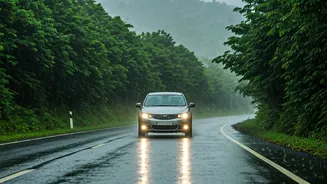
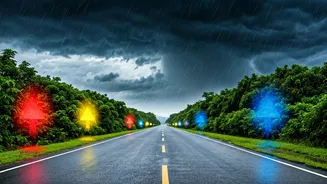
The single greatest reason to avoid night travel during the monsoon is visibility. Heavy rain significantly impairs a driver's ability to see, scattering and absorbing light from headlights. At night, this effect is dangerously amplified. Wet roads create
intense glare from oncoming traffic, making it difficult to discern objects or judge distances accurately. Add to this the fogging of windows due to high humidity, and your view can be dangerously compromised. Daylight, even on an overcast day, provides a level of ambient light that no headlight can replicate. It cuts through the rain more effectively, allowing you to spot hazards, read road signs, and see other vehicles more clearly, which is crucial for preventing collisions.
Exposing Hidden Dangers on the Road
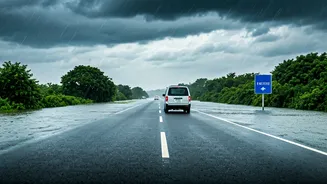
Monsoon rains are notorious for wreaking havoc on road surfaces. What might be a familiar route can become a minefield of hidden dangers overnight. Waterlogging conceals the true state of the road, hiding everything from deep potholes and open manholes to sharp debris and washed-away sections of asphalt. At night, a stretch of waterlogged road is a complete unknown; it’s impossible to gauge the depth of the water or what lies beneath. Many a vehicle has been stranded or severely damaged by misjudging a flooded patch. In daylight, you have a much better chance of seeing the water's texture, flow, and potential depth, and you can often spot the edges of submerged potholes that are completely invisible after sunset.
Navigating Treacherous Hilly Terrain
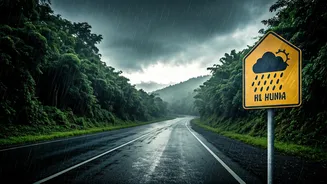
For those travelling in or to India’s beautiful but challenging hilly regions, the advice to avoid night travel becomes critical. Monsoon season brings an increased risk of landslides, falling rocks, and sudden road blockages. These events are unpredictable, but travelling during the day gives you a fighting chance. You are more likely to spot early warning signs like trickles of mud or small rocks on the road. More importantly, your ability to react to a sudden slide or obstruction is far greater when you can see the road ahead clearly. At night, visibility is limited to the throw of your headlights, making it perilously easy to drive into a hazard before you even have time to brake.
The Crucial Factor of Seeking Help
Despite all precautions, things can still go wrong. You might get a flat tyre, your engine could stall after hitting a puddle, or you could be involved in an accident. Should you need assistance, the time of day makes a world of difference. Finding a mechanic, getting roadside assistance, or even flagging down another vehicle for help is significantly easier and safer during daylight hours. At night, especially on quieter roads or highways, you could be stranded for hours in a vulnerable situation. Emergency services can also locate and reach you faster when it's light. Planning your travel to finish before dusk ensures that if a problem does arise, you are in a much better position to get the help you need promptly.
Reducing Driver Fatigue and Stress
Driving in the monsoon is inherently stressful. The constant downpour, poor visibility, and slippery roads demand a higher level of concentration. At night, these demands multiply, leading to significantly increased driver fatigue. Straining to see through a rain-lashed windshield, peering into the darkness for hidden threats, and battling glare from other cars is mentally exhausting. This fatigue slows your reaction time and impairs your judgment, making you more susceptible to making a critical error. By choosing to drive during the day, you align your journey with your body's natural alertness cycle. You reduce the mental load of the drive, allowing you to stay sharper, more relaxed, and ultimately, safer behind the wheel.