




Prioritise the Packaging and Labels
The first step to a safe purchase happens before you even taste the sweet. Carefully inspect the packaging. Look for a clean, untampered, and well-sealed box. For packaged goods, the label is your most important tool. It is mandatory for manufacturers
to display crucial information. Ensure the FSSAI license number is clearly visible, as this indicates the manufacturer is registered with the food safety authority. Next, find the 'date of manufacture' and 'best before' date. Given that many Diwali sweets, especially those made with milk or khoya, have a short shelf life, this is a non-negotiable check to avoid stale or spoiled products. A long shelf life for a typically fresh sweet can be a red flag.
Scrutinise the Ingredient List
The list of ingredients tells the story of what you’re about to eat. Reputable brands will list everything clearly. Be wary of vague terms. The primary ingredients in traditional sweets are milk, khoya, gram flour (besan), sugar, and ghee. During the festival rush, some manufacturers cut costs by using cheaper substitutes. Common adulterants include starch, blotting paper, and vegetable fats (vanaspati) instead of pure ghee. The list should also specify any food colours or additives used. FSSAI has a list of permitted colours; the use of non-permitted ones, like Metanil Yellow, is illegal and harmful. If the ingredient list is missing or seems incomplete, it is best to avoid that product.
Is the 'Silver' Vark Real?
The delicate, shimmering silver leaf, or 'vark', that adorns many Indian sweets is a visual delight, but it can also be a source of adulteration. Many sweets are coated with aluminium foil instead of pure silver, which can be toxic. There is a simple test you can perform. Gently rub the silver layer with your finger. Real silver vark is incredibly delicate and will disintegrate or absorb into your skin. Fake aluminium foil, on the other hand, will not disintegrate; it will likely roll into a tiny, sticky ball. A genuine silver leaf should also look smooth and uniform, not overly shiny or thick like a piece of kitchen foil.
Use Your Senses: Look and Smell
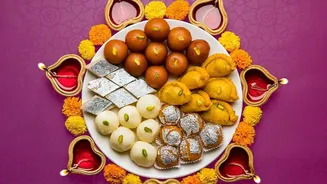
Your own senses are powerful detectors. Before buying, take a good look at the sweets. Unnaturally bright or garish colours are often a sign of synthetic, non-permitted dyes. Good quality mithai made from natural ingredients will have a more subdued, natural colour. Also, pay attention to the aroma. Sweets made with pure ghee will have a rich, nutty, and pleasant smell. If you detect a chemical, sour, or stale odour, it’s a clear warning sign to stay away. The texture also matters. Adulterated or old sweets might appear overly dry, unusually hard, or have a waxy, pasty feel instead of the expected soft and grainy texture of pure khoya-based mithai.
Choose Reputable and Trusted Sellers
During the festive season, countless temporary stalls and new sellers appear. While many are genuine, the risk of encountering adulterated products is higher. It is always safer to purchase from well-known, established brands and sweet shops with a reputation for quality. These businesses are more likely to adhere to FSSAI regulations to protect their brand image. If you're exploring a new shop, check that they have a clean, hygienic environment with sweets displayed in covered counters to protect them from dust and flies. An unusually low price for sweets that are typically expensive, like those made with pure ghee and dry fruits, can also be a red flag for poor quality ingredients.
Understanding FSSAI's Role
The Food Safety and Standards Authority of India (FSSAI) significantly increases its surveillance during the festival period. They issue advisories to state food commissioners to conduct surprise inspections, collect samples for testing, and take action against those selling adulterated food. They also deploy 'Food Safety on Wheels' vans in prominent markets to conduct on-the-spot tests and raise consumer awareness. Knowing that the regulator is active should give you confidence, but it also underscores the importance of being a vigilant consumer. When you check for the FSSAI logo and follow basic food safety checks, you are aligning with a nationwide effort to ensure a safe and healthy festival for everyone.