


The Science of Spoilage
During the monsoon, humidity levels across India can soar to 80-90%. This moisture in the air is the primary enemy of your pantry. Foods that are naturally dry, like grains, flours, and spices, are hygroscopic, meaning they absorb moisture directly from
the atmosphere. This excess moisture creates the perfect breeding ground for mould, bacteria, and pests, which thrive in warm, damp conditions. It causes grains to clump, spices to lose their aroma, and oils to go rancid faster. Understanding this is the first step to fighting back effectively.
Win the War on Grains and Flours
Grains and flours are highly susceptible to moisture, which can lead to lumps and insect infestations. The single most important habit is to transfer them from their original bags into airtight containers immediately after buying. Plastic bags are not sufficient to block monsoon humidity. Glass or stainless steel containers are ideal choices. Before storing, consider sun-drying rice or lentils for a few hours to remove any existing moisture. For an extra layer of protection, add a few dried bay leaves or neem leaves to the container; these act as natural insect repellents. It's also wise to store these containers on shelves, not directly on the floor, as moisture can rise from the ground.
Keep Your Spices Pungent and Dry
Humidity is the enemy of flavour when it comes to spices. It causes powdered masalas to clump together and lose their potent aroma. The solution is to store them in small, tightly sealed jars. Avoid keeping your spice rack right next to the stove, as steam from cooking is a direct source of moisture. Always use a completely dry spoon when scooping out spices. A useful tip for the monsoon is to buy whole spices and grind them in small batches as needed. Whole spices have a longer shelf life and are less prone to clumping than their powdered counterparts.
Handle Fresh Produce with Extra Care
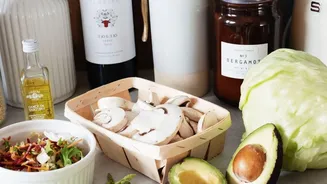
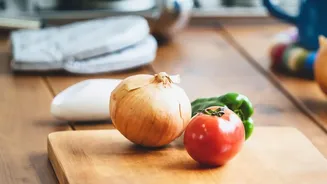
Fresh fruits and vegetables require careful handling during the rainy season. They often carry more dirt and microbes. It's crucial to wash them thoroughly under running water. For leafy greens like spinach and coriander, wash them, then dry them completely before storing. You can wrap them in a paper towel or cloth to absorb excess moisture before placing them in a vegetable bag in the fridge. Root vegetables like potatoes and onions should be kept in a cool, dark, and dry place, not in a sealed plastic bag where moisture can get trapped. Never store unwashed produce directly in the refrigerator, as this can introduce bacteria.
Protect Biscuits, Snacks, and Leftovers
Crispy items like biscuits, chips, and murmura go soft and stale within days, if not hours, when exposed to humid air. Just like grains, they must be stored in high-quality airtight containers immediately after opening. When it comes to cooked food, the warm, humid air drastically shortens the time it can be safely left at room temperature. Refrigerate leftovers within two hours of cooking to prevent rapid bacterial growth. Before eating leftovers, ensure they are reheated thoroughly to kill any potential pathogens. Finally, make a habit of regularly cleaning your refrigerator, as spills and condensation can create a breeding ground for mould even in the cold.