



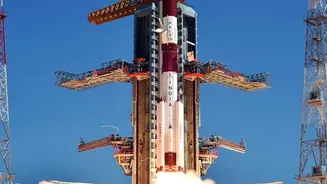
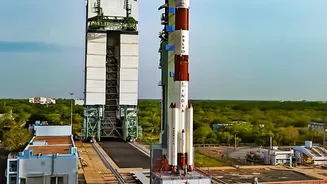
India’s self-reliant navigation system, NavIC, is undergoing a critical phase of repair and reinforcement. The recent launch of the NVS-03 satellite aims to mend the network after the loss of its predecessor, NVS-02, and other legacy issues.
The Promise of a 'Desi GPS'
Navigation
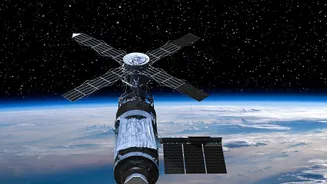
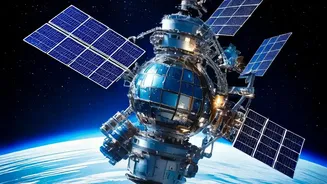
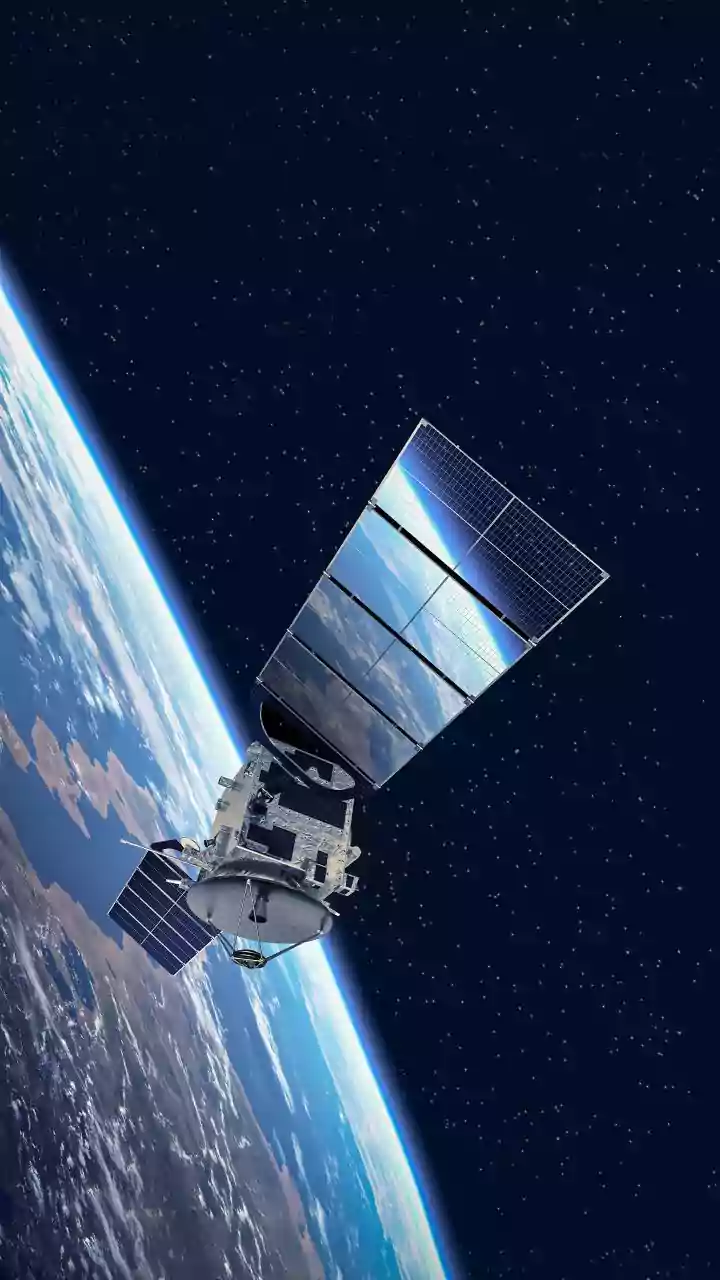
with Indian Constellation, or NavIC, is India’s ambitious answer to foreign-owned Global Positioning Systems (GPS). Developed by the Indian Space Research Organisation (ISRO), NavIC is designed to provide accurate, real-time positioning and timing services across India and a 1,500-kilometre radius beyond its borders. This capability is more than a convenience; it is a strategic necessity. Having a sovereign navigation system ensures that India's critical defence, transport, and disaster management operations are not dependent on foreign networks, which could be denied or degraded during a conflict. The system offers a Standard Position Service for all users and a restricted, encrypted service for strategic applications. However, building and maintaining this complex web of satellites has proven to be a significant challenge.
A Constellation in Crisis
The foundation of any satellite navigation system is its ability to keep exquisitely precise time. This is done using onboard atomic clocks. Unfortunately, the imported rubidium atomic clocks on India's first generation of IRNSS satellites began failing prematurely, crippling the constellation. By March 2026, the failure of the last clock on the IRNSS-1F satellite reduced the number of fully functional NavIC satellites to just three. This was a major blow, as a minimum of four satellites are required to provide a standalone position fix. For a time, India's 'desi GPS' was unable to perform its primary function independently, forcing reliance on other global systems.
A Troubled Reinforcement Plan
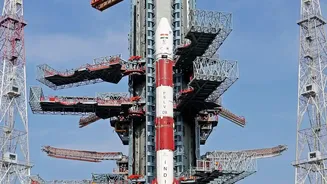
To address the failing first-generation satellites, ISRO began developing the second-generation NVS series. These new satellites feature longer lifespans, new civilian-friendly L1 frequency signals for better interoperability, and, most importantly, indigenously developed atomic clocks to avoid past dependencies. The first of this new series, NVS-01, was successfully launched in May 2023 to begin the replacement process. However, the mission to launch its successor, NVS-02, in January 2025, ended in failure. While the satellite reached an initial transfer orbit, a valve malfunction prevented its main engine from firing, leaving it stranded and unable to reach its operational destination. This setback delayed the restoration of the NavIC constellation.
NVS_03:_ A Mission of Restoration
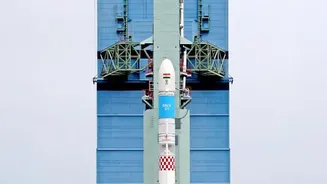
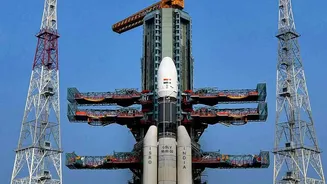
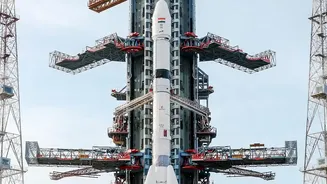
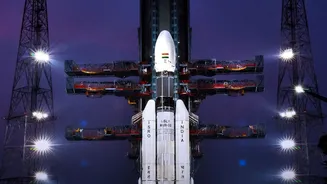
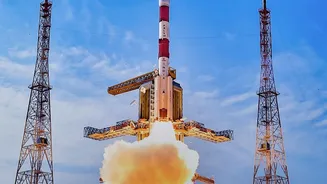
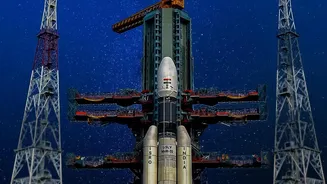
The successful launch of NVS_03 on October 30, 2026, marks a critical turning point. Sent into orbit aboard a GSLV_F18 rocket, NVS_03 is set to restore the NavIC constellation to the minimum four satellites required for providing positioning, navigation, and timing (PNT) services. With this launch, ISRO has brought India's independent navigation capability back from the brink. The mission was executed with particular care, learning from the NVS_02 failure to ensure a successful outcome. This satellite, like its NVS siblings, carries the new indigenous atomic clock and the L1 signal band, continuing the vital work of upgrading the entire network.
The Path Forward for NavIC
With NavIC's basic functionality restored, ISRO's focus now shifts to ensuring its long term reliability and expansion. Two more satellites in the series, NVS _04 and NVS _05,_ are planned for launch by 2027 to complete the five _satellite second generation fleet._ This will not only make the system more robust but also provide necessary redundancy,_ ensuring that the failure of one or two satellites does not cripple the entire network again._ The journey of NavIC has been a lesson in resilience,_ highlighting that space prowess is not just about spectacular launches but also the meticulous,_ persistent effort required to sustain critical national infrastructure._ Ensuring NavIC is consistently reliable and widely used is the next great challenge for India's space program.