



The De-Facto Tiger Railway Circuit
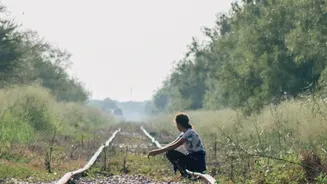
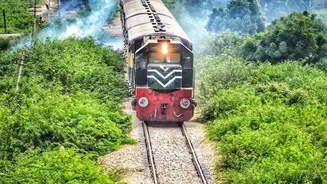
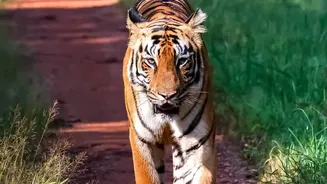
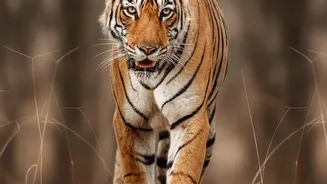
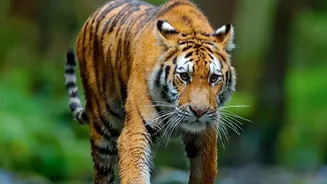
While there isn't a single official 'tiger pass' from Indian Railways, a well-established circuit has become the go-to for budget travellers. This route uses the excellent train connectivity to major hub cities like Nagpur, Jabalpur, and Chandrapur, which
act as gateways to the region's premier tiger reserves. This do-it-yourself rail tour allows for unparalleled flexibility and cost savings, connecting parks like Pench, Kanha, Bandhavgarh, and Tadoba-Andhari. A new partnership between IRCTC and the Maharashtra Forest Department promises to make this even easier, with plans for integrated packages covering train travel and guaranteed safari permits for reserves like Tadoba and Pench.
Your Gateway Stations and Parks
Planning your trip requires picking the right station for your target park to minimize expensive last-mile taxi rides. For Tadoba-Andhari Tiger Reserve in Maharashtra, Chandrapur station is ideal for the popular Moharli gate, while Nagpur Junction serves the northern Kolara gate. In Madhya Pradesh, Nagpur is also the perfect entry point for Pench National Park, just a two-hour drive away. For Kanha National Park, often called the land of 'The Jungle Book', the nearest major railheads are Jabalpur (160km) and Gondia (145km). To reach Bandhavgarh, famous for its high tiger density, you should aim for Umaria (37km) or the larger hubs of Katni and Jabalpur.
Crafting a Budget-Friendly Itinerary
The key to a budget trip is planning. Train tickets in sleeper class or 3-Tier AC are incredibly economical for overnight journeys, saving you both time and the cost of a hotel night. A typical route might start in Mumbai or Delhi, taking an overnight train to Nagpur. From there, you can explore Pench for a few days before taking another train or a bus to Jabalpur, the gateway for Kanha and Bandhavgarh. From Jabalpur, you can easily find train connections back to major cities. The real savings for solo travellers come from shared safari jeeps. Instead of booking a whole vehicle, connect with other travellers at your hostel or lodge to split the cost, making multiple safaris affordable.
Accommodation: Hostels and Homestays
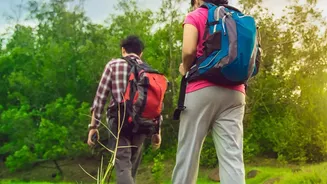
The rise of a backpacker culture in Central India means you no longer need to rely on expensive safari lodges. Backpacker hostel chains and independent homestays are now common in towns near the park gates. Places like Zostel and Moustache have established outposts in cities like Indore and Khajuraho, and smaller, local homestays are appearing near the parks themselves, offering an authentic experience. These places are not just cheap and safe; they are social hubs where you can meet fellow travellers to share safari costs and travel tips.
Safety for the Solo Backpacker
India's wildlife tourism circuit is generally considered safe for solo travellers. However, standard precautions apply. Book your trains in advance, especially for popular routes. Be cautious with your belongings on overnight journeys. For safaris, always book through your hotel, hostel, or a reputable local agent to ensure you are getting a registered guide and vehicle. Many parks have streamlined permit and booking systems, which adds a layer of security. For solo women, travelling in slightly more expensive AC coaches on trains can offer more comfort and peace of mind. The community aspect of hostels also provides a safety net, offering reliable, local advice.