

The Papaya Seed Problem
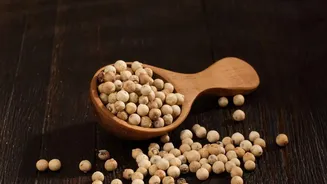
One of the most common adulterants found in black pepper is dried papaya seeds. They are used because they are cheap and, at a glance, look strikingly similar to real peppercorns in size, shape, and colour. While not necessarily toxic, they offer none
of the pungent flavour or health benefits of true black pepper, and their presence means you are not getting the quality you paid for. Consuming them in large quantities may also cause digestive issues in sensitive individuals. Fortunately, spotting them is easy with a simple test recommended by the Food Safety and Standards Authority of India (FSSAI).
The Water Float Test
The easiest way to check for papaya seeds is the float test. Fill a clear glass with plain water and add a spoonful of your whole black peppercorns. Stir gently and wait for a minute. Genuine, high-quality peppercorns are dense and will sink to the bottom of the glass. Papaya seeds, being lighter, will float on the surface. Some immature or hollow peppercorns, known as light berries, might also float, so a few floating pieces aren't always a cause for alarm. However, if a significant portion of the seeds float, your pepper is likely adulterated.
The Unnatural Shine of Mineral Oil
Another common issue is the coating of peppercorns with mineral oil. This is done to make old or low-quality peppercorns look fresh, shiny, and more appealing to customers. Mineral oil is a petroleum derivative and is not safe for consumption; it can lead to gastrointestinal problems and may have long-term toxic effects. You can sometimes spot this by rubbing the peppercorns in your hand; if they leave an oily residue or have a faint kerosene-like smell, they may be coated. An oily film on the surface during the water test is another tell-tale sign of mineral oil adulteration.
Visual and Touch Tests
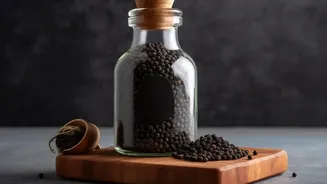
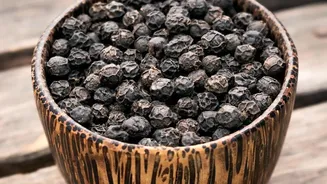
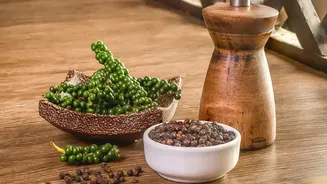
Your senses are powerful tools. Genuine black pepper has a deeply wrinkled, rough surface. Papaya seeds, in contrast, are often smoother, more oval, and can look slightly shrunken. Pressing a few peppercorns between your fingers is another effective test. A mature, high-quality peppercorn is hard and won't crush easily. Adulterants like light berries or papaya seeds are often softer and will break or crumble under pressure. Finally, trust your nose. Crush a single peppercorn; it should release a sharp, pungent, and woody aroma. If the smell is weak, musty, or non-existent, the quality is poor.
Beware of Powdered Pepper Problems
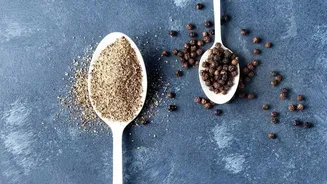
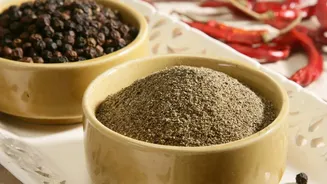
While whole peppercorns are easier to inspect, ground black pepper presents a bigger challenge as adulterants are much harder to see. Powdered pepper can be mixed with fillers like sawdust, bran, or husk to increase its weight and reduce costs. To check for these, sprinkle a small amount of pepper powder onto the surface of a glass of water. Pure pepper powder will mostly settle, while sawdust and other light fillers will float on the surface. For this reason, the safest option is always to buy whole peppercorns and grind them at home as needed.
How to Buy with Confidence
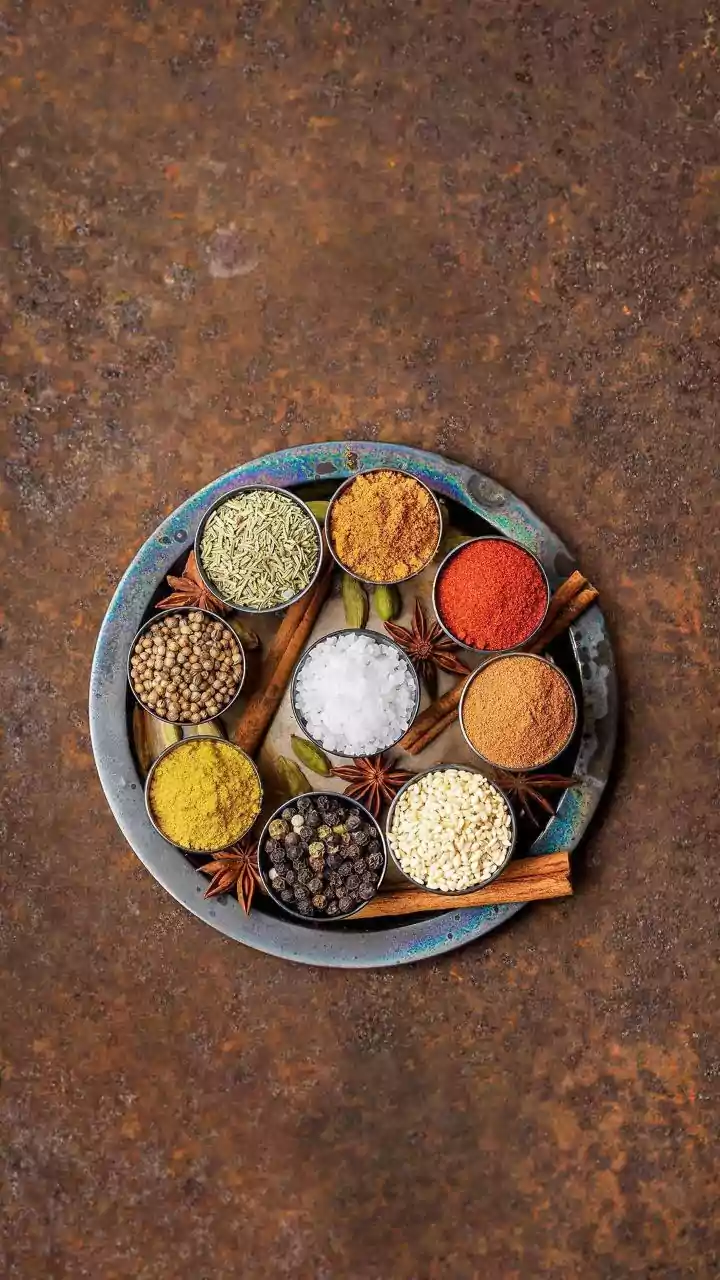
Preventing adulteration starts at the point of purchase. Always try to buy spices from reputable brands and trusted sources. Be wary of prices that seem too good to be true, as suspiciously cheap pepper is often a red flag for poor quality or adulteration. Check the packaging for an FSSAI license number, a clear manufacturing date, and an expiry date. By favouring whole spices over pre-ground versions and performing these simple checks at home, you can ensure the kali mirch in your spice box is pure, flavourful, and safe.