

The Autumn Equinox: A Season of Balance
First up isn't something you see in the dark, but something that defines the changing season. The autumnal equinox arrives on September 22 or 23, depending on your time zone. This is the precise moment the Sun crosses the celestial equator, heading south
for the winter. On this day, the Earth isn’t tilted toward or away from the Sun, resulting in nearly equal lengths of day and night across the globe. For those in the Northern Hemisphere, it marks the official start of autumn, bringing with it cooler air and the promise of cozy nights perfect for stargazing. Culturally, it's a time of harvest festivals and a recognition of the changing seasons, a perfect moment to reflect on the Earth's steady journey around the sun.
The Harvest Moon Lights Up the Night
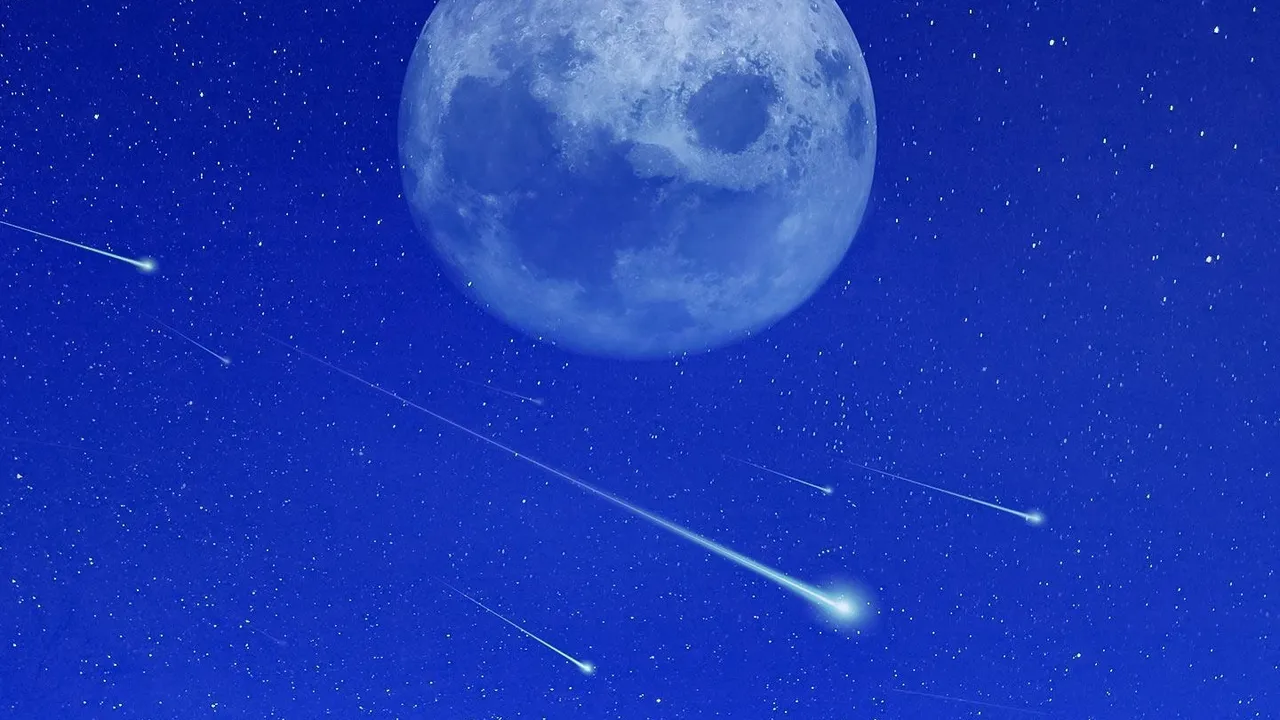
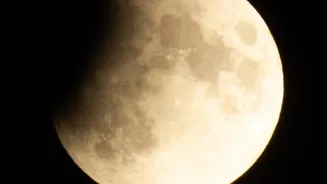
One of the most famous full moons of the year, the Harvest Moon, will grace the sky on the night of September 26. It reaches its peak illumination during the daytime in North America, so the best time to watch is as it rises majestically around sunset. The Harvest Moon is the full moon that occurs closest to the autumnal equinox. It earned its name by providing farmers with several extra nights of bright moonlight, allowing them to work late into the evening to bring in their crops. This happens because for several nights around the equinox, the moonrise occurs only about 25 to 30 minutes later each evening, instead of the usual 50. Look for it to appear especially large and golden-orange as it peeks above the horizon. As a bonus, Saturn will be trailing the Moon across the sky that night, making for a beautiful pairing.
A Faint But Friendly Meteor Shower
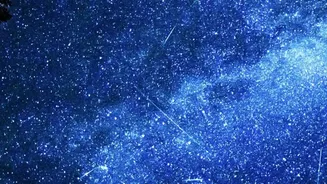
While not as famous as the summer Perseids, the September Epsilon Perseids offer a wonderful opportunity to spot some shooting stars. This minor meteor shower will be active from September 5 to 21, with its peak activity expected on the night of September 9. The best part for 2026 is that the peak happens just before the new moon, meaning the sky will be dark and free of lunar glare, providing excellent viewing conditions. While the shower only produces about five to eight meteors per hour, they are often slow-moving and can be quite bright. For your best chance to see them, find a spot away from city lights after 10 or 11 p.m. Let your eyes adjust to the darkness for about 20 minutes, lie back, and be patient. The meteors will appear to radiate from the constellation Perseus, but you can see them streak across any part of the sky.
Planetary Highlights to Spot
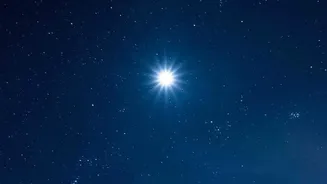
September is a great month for planet-spotting. The dazzlingly bright Venus will reach its peak luminosity for the year on the evening of September 18, appearing as a brilliant beacon in the western sky just after sunset. Even in light-polluted cities, it’s one of the easiest celestial objects to find. While the ringed planet Saturn doesn't officially reach its 'opposition'—its closest and brightest point for the year—until early October, it will still be a fantastic sight throughout September. It will be visible for most of the night, rising in the east around sunset and appearing as a steady, golden-hued point of light. It's the perfect target if you have a pair of binoculars or a small telescope, which might even reveal its famous rings.