

In a world that constantly rushes, a different kind of travel is taking root. Forgoing packed itineraries, a growing number of wanderers are embracing slow travel in Sikkim, choosing the authentic warmth of homestays over conventional hotels.
The Rise of the Unhurried Traveller
Slow travel
is less about seeing and more about experiencing. It’s the conscious choice to trade a frantic checklist of tourist spots for a deeper, more meaningful connection with a single place. This philosophy finds a perfect home in Sikkim, a state celebrated for its pristine landscapes and a government-backed push towards sustainable, community-driven tourism. Instead of rushing from one viewpoint to another, travellers are opting to linger, absorb the serenity of a village, and engage with the local way of life. This shift is not just about a slower pace; it's about fostering genuine connections with the people and nature of the Himalayas.
Why Homestays Offer a Richer Experience
For the slow-travel seeker, a homestay is not just a place to sleep; it’s the heart of the journey. Unlike the impersonal nature of hotels, homestays in Sikkim offer a direct window into the local culture. Guests often share meals with their host families, tasting authentic, home-cooked Sikkimese dishes made from organic produce grown in their own gardens. Hosts double as local guides, sharing stories and pointing guests toward hidden waterfalls, quiet monasteries, or the best trail for a morning walk—insights rarely found in a travel guide. This model provides a vital source of income directly to local communities, empowering them while preserving their environment and traditions.
West Sikkim: Of Sacred Lakes and Mountain Vistas
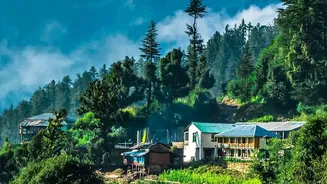
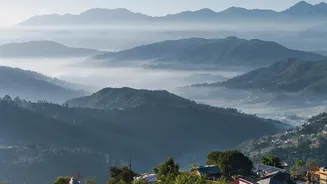
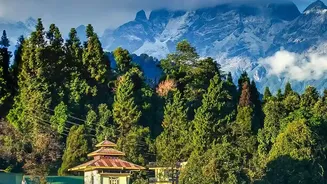
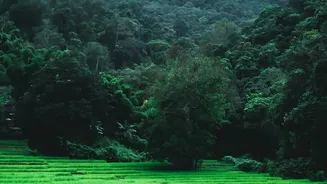
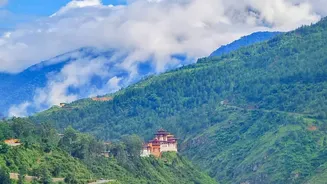
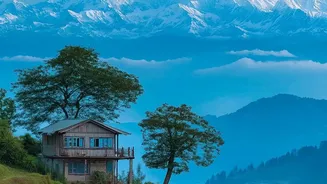
West Sikkim has long been a favourite for those seeking tranquillity away from the main tourist hubs. Villages like Rinchenpong, Kaluk, and Chayatal offer breathtaking, panoramic views of the Kanchenjunga range without the crowds of Pelling. Homestays here are often heritage farmhouses or family-run cottages nestled amidst terraced fields and cardamom plantations. Travellers can spend their days exploring the ancient Pemayangtse and Rinchenpong monasteries, taking leisurely walks to the sacred Khecheopalri Lake, or simply sitting on a balcony watching the mist roll through the valleys. Many hosts also arrange activities like birdwatching, participating in farm work, or taking a traditional hot stone bath known as a 'Menchu'.
East Sikkim: Journeying Through the Old Silk Route
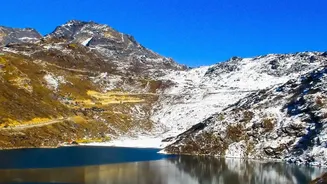
The historic Old Silk Route in East Sikkim is a journey back in time, and its remote villages are now dotted with rustic homestays that offer a unique, high-altitude experience. Instead of doing the route as a quick day trip, slow travellers base themselves in quiet hamlets like Zuluk, Padamchen, or Rolep. This allows them to acclimatise properly and witness the route's raw beauty at a relaxed pace. Staying in a homestay here means experiencing the legendary hospitality of the locals, waking up for a sunrise over the famous 32 hairpin bends, and exploring surreal landscapes like the Gnathang Valley and Kupup Lake. It’s an adventure that is as much about the journey as the destination.
North Sikkim's Protected Paradise: Dzongu
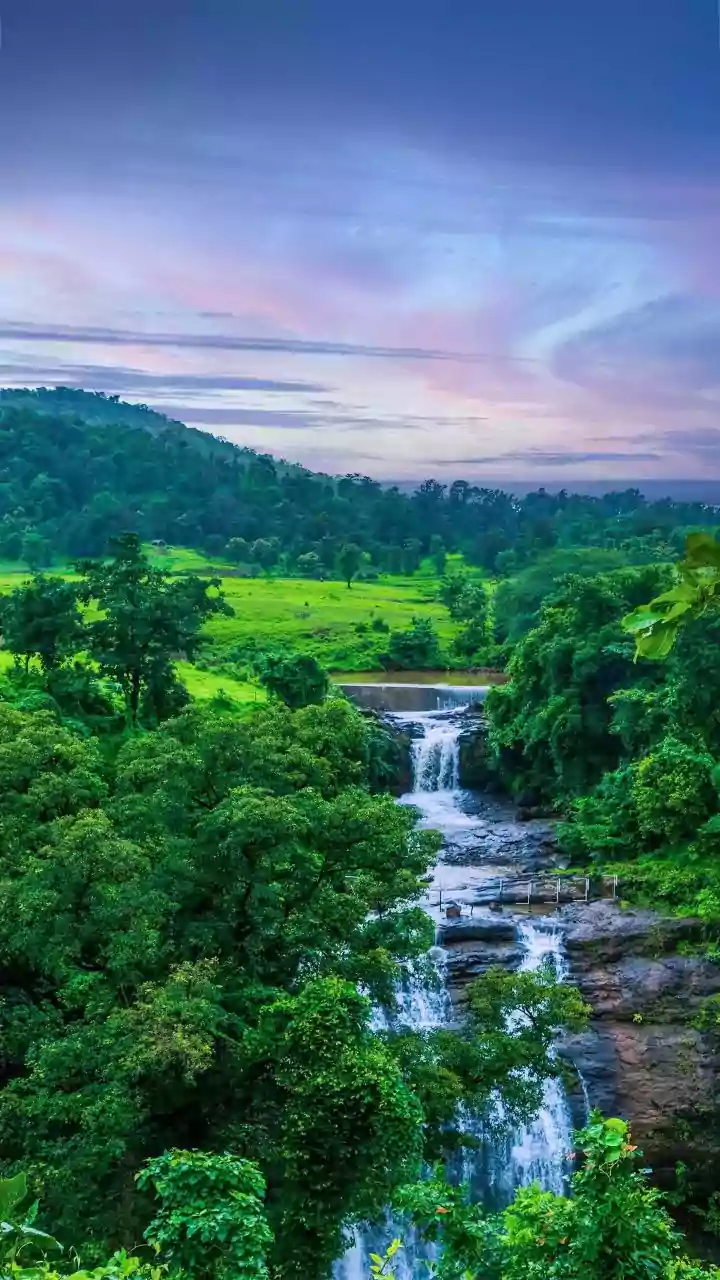
For the ultimate off-the-grid experience, Dzongu in North Sikkim is unparalleled. Reserved for the indigenous Lepcha community, this protected area requires a special permit, which has helped preserve its pristine environment and unique culture. Tourism here is exclusively through homestays, ensuring that visitors have an authentic and immersive stay. Days in Dzongu are spent on guided walks through dense forests, crossing bamboo bridges over glacial streams, visiting small monasteries, and learning about the Lepcha people's deep connection to nature. It is the epitome of slow, conscious travel, offering a chance to disconnect from the modern world and reconnect with something more fundamental.