
The Sensation You Call 'Weight'
First, let's get one thing straight: the feeling you typically associate with 'weight' isn't gravity itself. You can't directly feel gravity pulling on every cell in your body. What you actually feel is the ground, your chair, or the floor pushing back
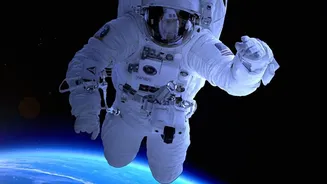
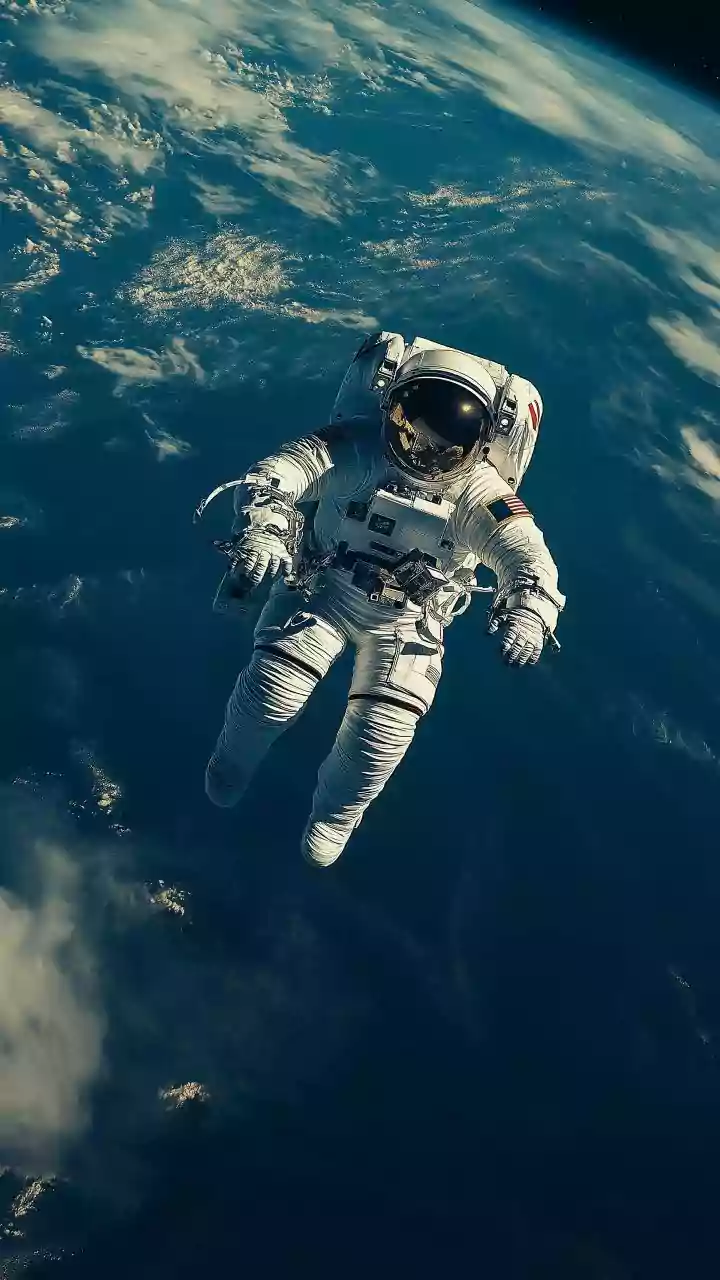
up at you. Physicists call this the 'normal force'. It’s the constant, reassuring pressure that stops you from falling toward the center of the Earth. Your body's internal network of nerves and organs registers this upward force as your weight. When you stand on a bathroom scale, it doesn't measure gravity; it measures the normal force required to support you. The thrilling, terrifying sensation of weightlessness, therefore, isn't the absence of gravity—it's the absence of that upward push.
Matching Gravity's Pace
On Earth, gravity pulls everything down at the same rate of acceleration, about 9.8 meters per second squared, if we ignore air resistance. When you step into a drop tower ride, you're still firmly under gravity's influence. As the ride ascends, it's building up potential energy. The magic happens when the carriage is released. For a heart-stopping few seconds, the ride vehicle and everything in it—including you—are in free fall. The floor of the ride drops away at the exact same rate that your body is accelerating downward. Because the floor is falling with you, it can no longer push up against your feet. With that normal force suddenly gone, your brain and inner ear interpret the lack of support as floating. You have become 'apparently weightless'.
Einstein's Happiest Thought
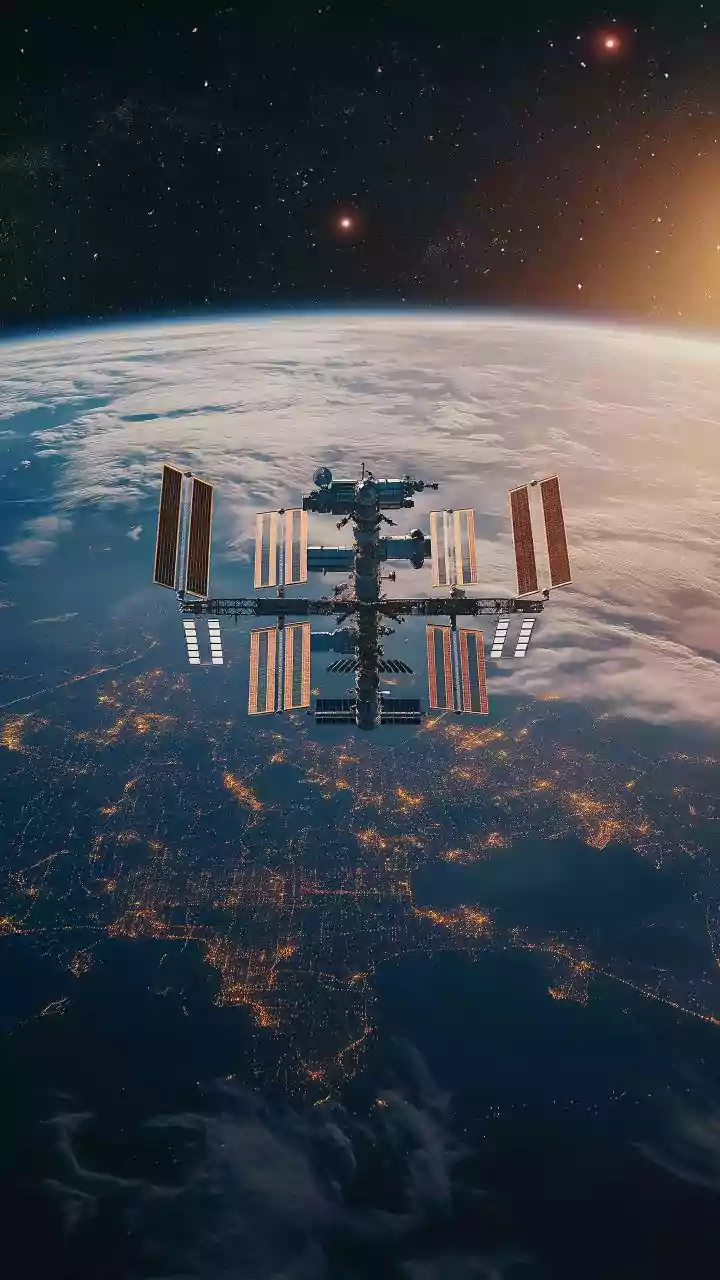
This exact scenario was the subject of what Albert Einstein called the 'happiest thought of his life'. He conducted a thought experiment: imagine a man in an elevator with no windows. If the elevator cable snaps and it enters free fall, the man inside will float. He, the elevator, and any objects he drops will all fall at the same rate. From his perspective inside that falling box, his experience is completely indistinguishable from being in deep space, far from any gravitational pull. This profound realization—that the effects of gravity are locally identical to the effects of acceleration—is called the Equivalence Principle. It became a cornerstone of his general theory of relativity, which reimagined gravity not as a force, but as a curvature of spacetime itself.
The Ultimate Physics Ride
So, the next time you're on a drop tower, remember what's happening. You aren't just falling; you're participating in a real-world demonstration of Einstein's genius. The ride is a perfectly engineered system designed to put you into a state of continuous free fall. As you and the carriage accelerate downward together, the seat effectively vanishes from beneath you, removing the normal force and tricking your body into feeling weightless. Gravity is very much still there—it’s the entire reason the ride works. What disappears is the floor pushing back. That brief moment of floating is a glimpse into the fundamental nature of the universe, all thanks to some clever engineering that lets you, for just a moment, keep perfect pace with gravity.