

Gamla Stan: The Living Museum
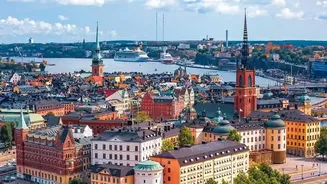
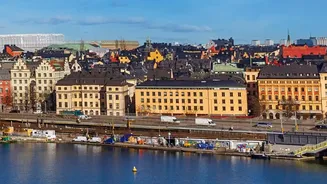
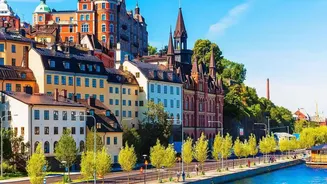
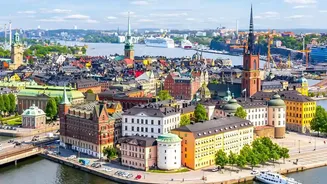
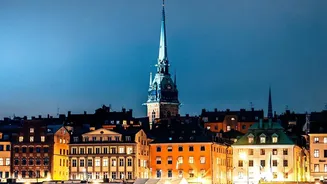
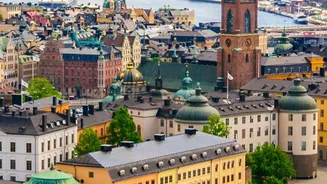
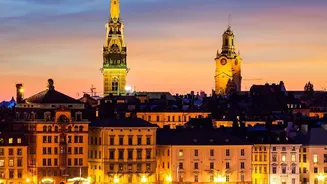
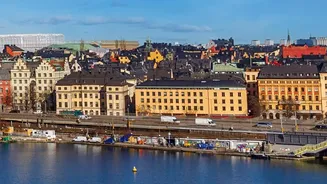
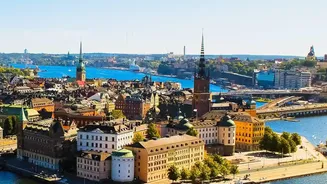
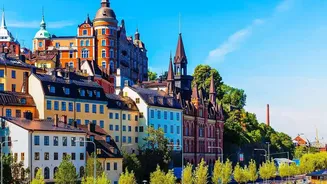
Stockholm’s Gamla Stan, or Old Town, is the quintessential medieval experience and the perfect starting point. Founded in 1252, its labyrinth of narrow cobblestone alleys, ochre-coloured buildings, and atmospheric squares remains remarkably intact. This
is a living museum, best explored in the early morning before the crowds descend, when you can almost hear the echoes of merchants and kings. Gamla Stan is not just a collection of old buildings; it's the historic heart of the capital, home to the Royal Palace, the magnificent Stockholm Cathedral, and the Nobel Prize Museum. While major streets like Västerlånggatan are bustling with shops, the real magic lies in getting lost in the quieter side lanes, discovering hidden courtyards, and feeling the palpable history that seeps from the very stones under your feet.
Visby: A Hanseatic Fortress of Roses
A ferry ride from the mainland takes you to the island of Gotland and its jewel, Visby. Known as the 'city of roses and ruins', this UNESCO World Heritage site is arguably the best-preserved medieval trading town in Northern Europe. Its defining feature is the spectacular 3.5-kilometre stone wall ('Ringmuren'), complete with dozens of original towers, that still encircles the old town. Visby was a major hub of the Hanseatic League, and its wealth is evident in the more than 200 stone warehouses and the hauntingly beautiful ruins of its many medieval churches. A walk along the wall provides stunning views of the Baltic Sea on one side and a fairytale town of winding lanes and historic squares on the other.
Sigtuna: Where Sweden Began
For a true deep dive into history, head to Sigtuna, located on the shores of Lake Mälaren. Founded around AD 980 by King Erik the Victorious, it is proudly known as Sweden's very first town. This is where the country's first coins were minted and where Christianity began to take root. While the wooden buildings that line the main street, Stora Gatan, are from later centuries, the street itself follows the original thousand-year-old path. Sigtuna's Viking and early medieval past is most visible in its wealth of runestones—more than any other town in the world—and the evocative ruins of its first stone churches, St. Per, St. Olof, and St. Lars, which stand as silent witnesses to its former importance.
Ystad: Cobblestones and Crime Fiction
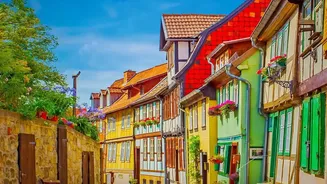
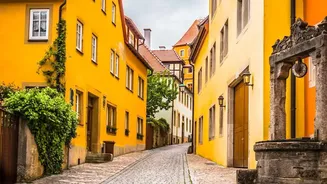
On the southern coast in the picturesque region of Skåne lies Ystad, a town where medieval charm meets modern fame. While many international visitors know it as the home of fictional detective Kurt Wallander, its real story dates back to the 11th century. The town centre is a delightful mix of over 300 half-timbered houses, cobblestone streets, and grand medieval churches like Saint Mary's. One of Sweden's best-preserved monasteries, the Greyfriars Abbey founded in 1267, is a must-see. The street network has remained largely unchanged since the Middle Ages, allowing you to wander through the same lanes that Hanseatic traders once walked.
Lund: A Cathedral City of Scholars
Also in Skåne, Lund offers a unique blend of profound history and youthful energy. One of Sweden's oldest cities, founded around 990, its medieval street plan is still intact. The city is dominated by the awe-inspiring Lund Cathedral, a masterpiece of Romanesque architecture consecrated in 1145, complete with a famous astronomical clock. Beyond the cathedral, you can explore Kulturen, a magnificent open-air museum where you can walk through historic buildings from the Middle Ages onwards. While Lund University, founded in 1666, gives the city a vibrant atmosphere, its ancient roots are always present, from the ruins of medieval churches to the historical museum showcasing Iron Age discoveries.