



The Charging Problem Today
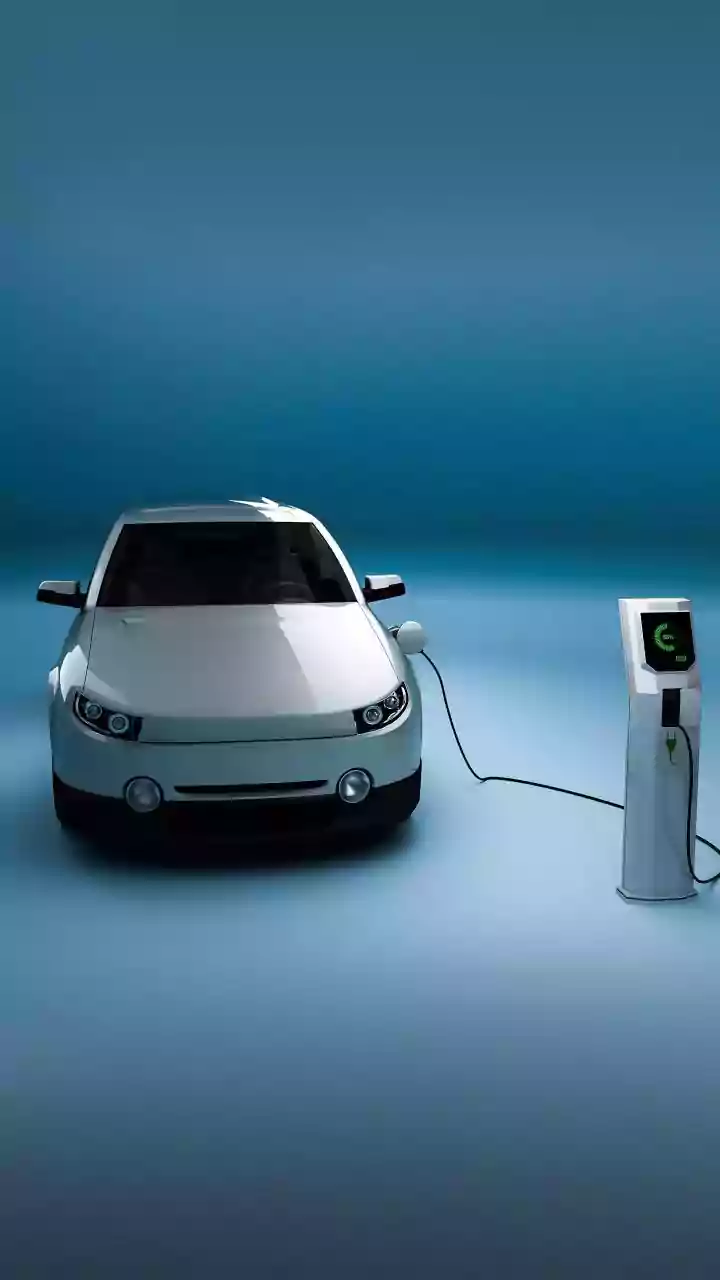
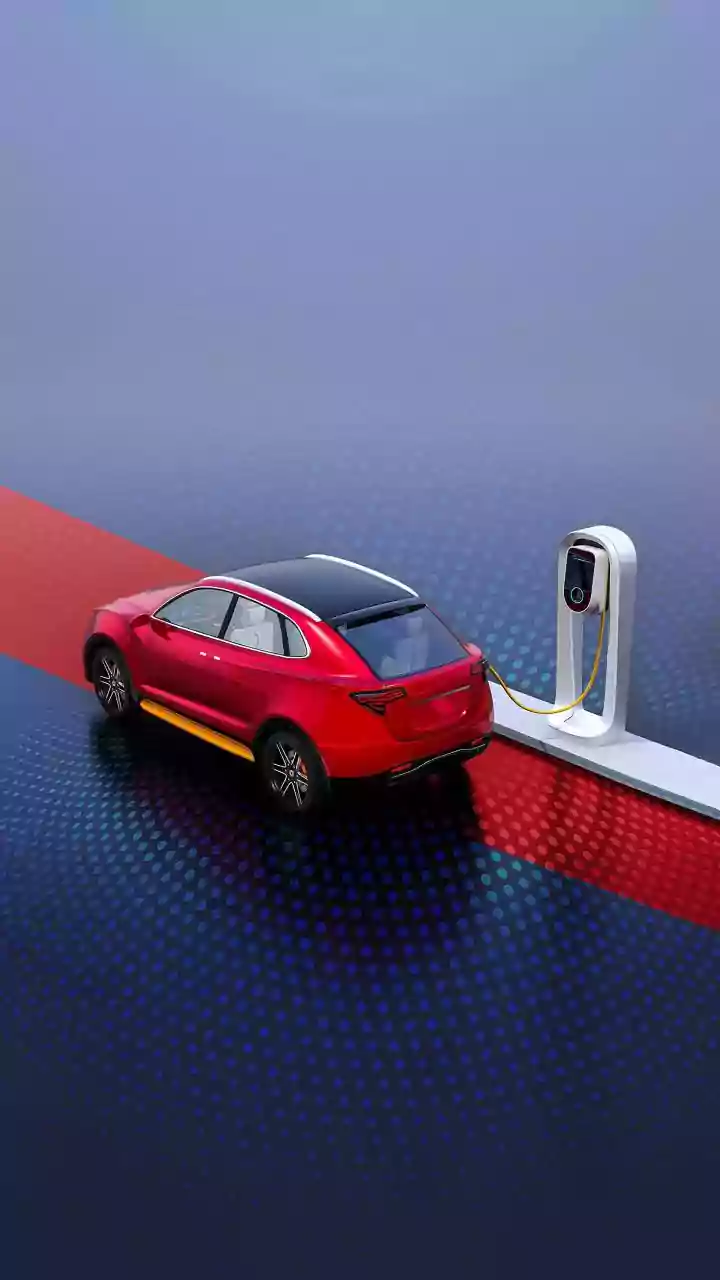
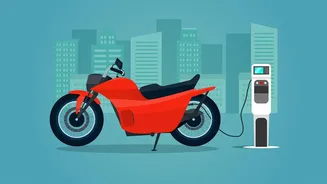
For most electric scooter owners in India, charging is an overnight affair. A standard lithium-ion battery can take anywhere from three to six hours for a full charge. Even with so-called 'fast chargers', you are often looking at 90 minutes or more, and consistently
using them can degrade the battery's health and shorten its lifespan. This long downtime is a major hurdle, especially for delivery riders and daily commuters who can't afford to be tethered to a charging point for hours. It’s the single biggest friction point holding back wider adoption and the main reason many still cling to the five-minute refuel of a petrol scooter.
The Science of Speed: What's Changing?
The quest for a sub-ten-minute charge comes down to fundamental battery chemistry and construction. Several promising technologies are leading the charge, each tackling the problem from a different angle. The two most prominent are solid-state batteries and silicon-anode batteries. Solid-state batteries, as the name suggests, replace the flammable liquid electrolyte found in current lithium-ion cells with a solid material. This not only makes them safer by dramatically reducing fire risk but also allows for much faster ion transfer, which is the key to rapid charging. Silicon anodes, on the other hand, are an upgrade to a key part of the traditional lithium-ion battery. By replacing the graphite anode with silicon, batteries can store significantly more energy and accept a charge much faster. Other innovations like graphene-enhanced anodes are also showing promise, using the material's incredible conductivity to slash charging times.
Meet the Game-Changers
Solid-state technology is often hailed as the 'holy grail' of batteries. By using a solid electrolyte, these cells can potentially double the energy density of current batteries, meaning twice the range in the same size pack. More importantly for charging speeds, they can be charged to 80% in under 15 minutes without the degradation that plagues current fast-charging systems. Meanwhile, batteries using silicon anodes are proving to be a more immediate-term solution. Silicon can hold nearly ten times more lithium ions than the graphite used in today's anodes. This superior capacity allows for incredibly fast charging. For example, some new EV models using silicon-anode technology are already achieving 10% to 80% charge times of around 11 minutes. While silicon has historically struggled with swelling and cracking during charging, new composite materials are solving these stability issues, making them viable for commercial use.
From Lab to the Road
This isn't just theoretical science; these technologies are starting to hit the market. While major car manufacturers like Toyota and Volkswagen have invested heavily in solid-state tech, some are still years from mass production. However, the two-wheeler segment is proving to be a nimble testbed. Verge Motorcycles, a Finnish startup, announced it would be the first to ship production motorcycles with solid-state batteries, promising an 80% charge in under 10 minutes. Chinese battery giants like CATL and BYD are also in a fierce race to commercialize sub-10-minute charging, with some demonstrating a 10% to 70% charge in just five minutes. While many of these are initially aimed at electric cars, the technology is directly adaptable to scooters. Chinese firm Sunwoda has already presented a battery for electric bicycles that can reach 80% charge in 20 minutes, showing the rapid trickledown of this tech.
The Impact on India
For India's booming electric scooter market, a ten-minute charge is more than a convenience—it's a revolution. It would eliminate range anxiety for urban riders and transform the economics for commercial users like food and package delivery services. Imagine a delivery fleet that can top up its batteries during a driver's tea break instead of swapping batteries or waiting for hours. Companies like Ola, Ather, and TVS could integrate this technology to make their offerings vastly more competitive against petrol-powered incumbents. Furthermore, it would reduce the pressure on public charging infrastructure; if vehicles spend less time at the plug, each charger can serve more users per day, increasing efficiency across the entire ecosystem. While cost remains a barrier, with graphene-enhanced cells estimated to cost 20% more initially, mass production is expected to bring prices down within a few years, making ultra-fast charging an accessible reality for the average Indian consumer.