



Understanding Cold-Pressed Goodness
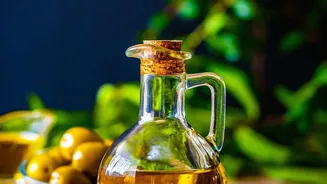
Before modern refining processes became widespread, oils were extracted using a simple, traditional method. Known as 'kachi ghani' or 'chekku', this technique involves crushing seeds at a low temperature without using chemicals or heat. This gentle extraction
preserves the oil's natural nutrients, antioxidants, colour, and most importantly, its authentic flavour and aroma. In contrast, commercially refined oils are processed at high temperatures and treated with chemicals to increase yield and shelf life, which can strip them of their natural goodness and flavour. Choosing cold-pressed is about choosing an oil that is closer to its natural state.
The Pungent Power of Mustard Oil
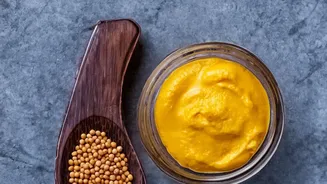
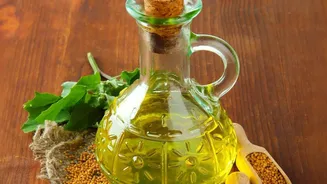
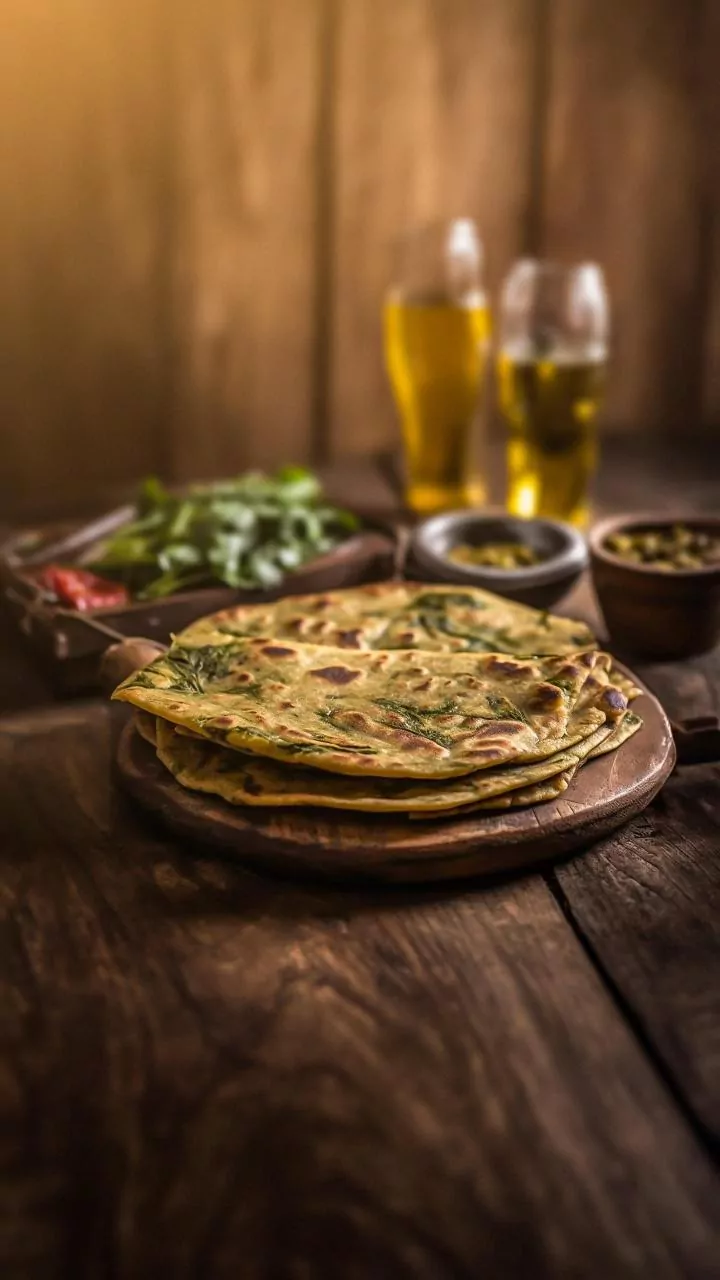
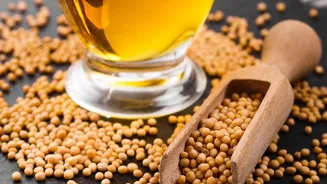
Known for its sharp, pungent flavour and deep golden hue, mustard oil (or 'sarson ka tel') is the soul of many regional cuisines, particularly in North and East India. With a high smoke point of around 250°C, it is incredibly versatile and suitable for high-heat cooking methods like deep-frying pakoras or searing fish. The distinct taste comes from a compound called allyl isothiocyanate, which also gives it natural antibacterial properties, making it a popular choice for pickles. Traditionally, cooks often heat the oil until it just begins to smoke to mellow its pungency into a warmer, more rounded flavour. Rich in monounsaturated fats, it's a heart-healthy choice used in classic dishes like Bengal's 'Macher Jhol' and Punjab's 'Sarson ka Saag'.
The Nutty Notes of Sesame Oil
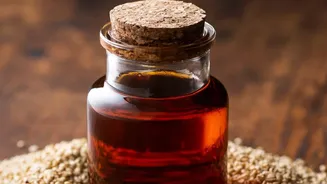
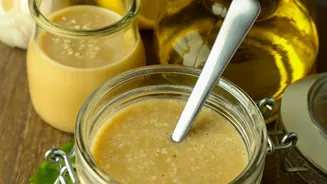
Sesame oil, known as 'til ka tel' or 'gingelly oil', is a cornerstone of South Indian and Ayurvedic cooking. It imparts a distinct, earthy, and nutty flavour that is central to many dishes. Its smoke point is suitable for most daily cooking, including tempering spices ('tadka'), a technique where it's often used. In South India, it's not uncommon to see a drizzle of raw sesame oil over hot idlis or mixed into 'milagai podi' (gunpowder chutney) to create a flavourful paste. The oil is celebrated for its balanced ratio of healthy fats and antioxidants like sesamol and sesamin. From the tangy 'Puliyogare' (tamarind rice) to various vegetable stir-fries, sesame oil adds a layer of complexity and aroma that is hard to replicate.
The Versatile Nature of Groundnut Oil
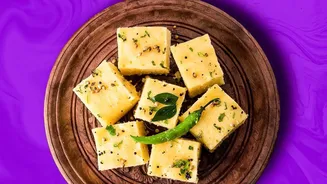
Cold-pressed groundnut oil, or peanut oil, is prized for its mild, sweet, and nutty flavour, making it an excellent all-purpose cooking medium. It is widely used in the cuisines of Western and Southern India, especially in Gujarat and Maharashtra. While its smoke point of around 160°C is lower than that of mustard oil, it is still stable enough for most Indian cooking methods, including sautéing and light frying. It is the traditional choice for frying snacks like 'Batata Vada' and is essential for the tempering in dishes like Gujarati 'Dal' and 'Khandvi'. Rich in Vitamin E and monounsaturated fats, it doesn't overpower the other ingredients, allowing the spices in dishes like Maharashtrian 'Kanda Poha' to shine through.
Tips for Your Kitchen
When cooking with cold-pressed oils, a few tips can help you make the most of them. Due to their rich nutrient content, it's best to store them in a cool, dark place away from direct sunlight to prevent them from turning rancid. While some, like mustard oil, are great for high heat, more delicate oils are best used for low-to-medium heat cooking or as finishing oils to preserve their nutritional integrity and flavour. Don't be afraid of their strong aromas; these oils are meant to be an active ingredient, not a neutral background fat. Start by incorporating them into tadkas or marinades to appreciate how they can elevate a simple dish.