





The Gut-Brain Superhighway
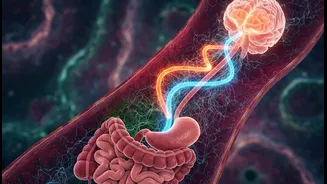
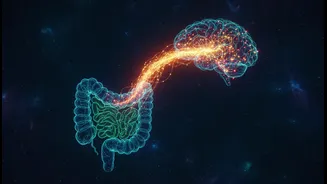
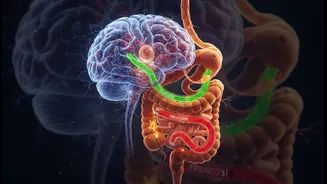
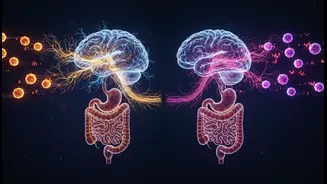
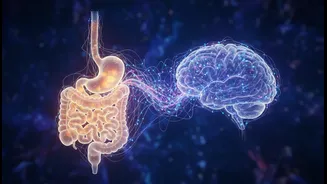
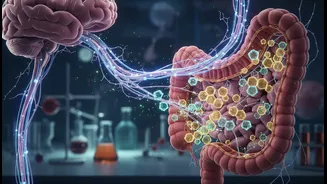
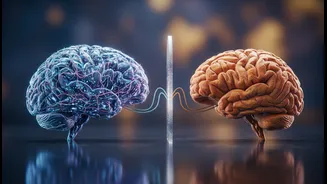
Your gut and brain are in constant communication through a complex network often called the gut-brain axis. This bi-directional highway involves nerves, hormones, and the immune system, allowing your digestive tract to tell your brain what you’ve eaten
and your brain to influence how your gut functions. A key player in this is the vagus nerve, a massive nerve that acts like a dedicated fibre-optic cable, sending rapid updates between the gut and the brainstem. This communication is crucial for everything from mood to, importantly, hunger and satiety—the feeling of being full. When you eat, your gut releases hormones and sends signals that help your brain decide whether you’ve had enough energy or if you need to keep eating.
Glucose: The Familiar Messenger
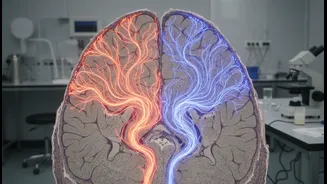
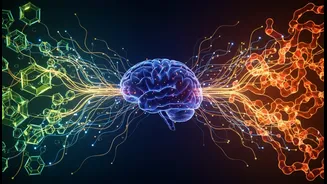
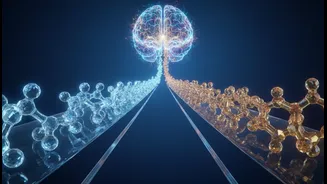
Glucose is the body's primary and preferred source of energy. Nearly every cell is equipped to use it. When you consume glucose, it triggers a strong and clear response. Research shows that glucose effectively suppresses the activity of specific brain cells—known as AgRP neurons—that drive hunger. The message is straightforward: 'Energy has arrived, you can stop feeling hungry now.' This signal travels through multiple pathways, including the spinal cord, giving the brain a robust confirmation of calorie intake. This efficient system is why a meal rich in starches or glucose can often leave you feeling satisfied.
Fructose: A Different Kind of Signal
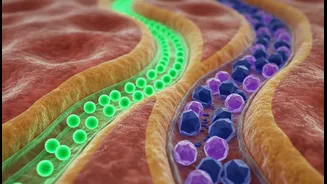
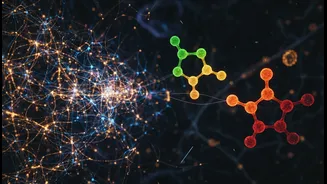
Fructose, often called fruit sugar, is metabolised differently. While it has the same number of calories as glucose, its journey through the body and its conversation with the brain are surprisingly distinct. Much of the fructose we consume is processed first in the small intestine and the liver. Unlike glucose, fructose appears to send a much weaker signal to the brain's hunger centres. Recent studies, primarily in mice, have uncovered a dedicated pathway for how fructose communicates. It appears to use the vagus nerve, but its effect on quieting those hunger-driving AgRP neurons is described as modest at best.
Fascinating Clues from the Lab
This is where the 'interesting mechanisms' come into play. The mouse studies have generated some compelling findings. They suggest that because fructose doesn't effectively switch off the brain's hunger alarm, it might contribute to overconsumption. One study found that while glucose strongly suppressed hunger neurons, an equivalent amount of fructose barely made a dent. Interestingly, when fructose was combined with glucose (similar to high-fructose corn syrup), it suppressed the hunger neurons more than fructose alone, and the mice showed a preference for the mixture. This might help explain why foods containing these combination sweeteners can be particularly appealing. Other animal studies have linked unabsorbed fructose to changes in the gut microbiome, which could in turn trigger immune responses and even neuroinflammation, potentially affecting mood.
The Crucial Human Evidence Gap
Here lies the tension. These mechanisms are fascinating, but they have been primarily observed in animal models. Translating these findings directly to human health and diet is a significant leap that science has not yet confidently made. Humans have a different metabolism and dietary context than lab mice. While some human intervention studies suggest high fructose intake is linked to metabolic issues like fatty liver and insulin resistance, the evidence is often tied to hypercaloric diets where excess energy is consumed. There is still a robust debate about how much of fructose's negative reputation is due to its unique metabolic properties versus the simple fact that it's often a marker for highly processed, nutrient-poor foods. The direct gut-brain signaling differences seen so clearly in mice need more robust investigation in human trials before we can draw firm conclusions about how it affects our own eating habits.