







The Monsoon Dehydration Trap
During the monsoon, high humidity fills the air with water vapour. This prevents your sweat from evaporating efficiently, which is your body's primary way of cooling down. [11] As a result, your body works harder, and you continue to sweat, losing vital
fluids and electrolytes without getting the cooling relief. [3, 11] Furthermore, the cooler temperatures can trick your brain's thirst signals, meaning you may not feel thirsty even when your body is running low on water. [19] This combination of increased fluid loss and reduced thirst cues makes dehydration a significant risk, leading to fatigue, headaches, dizziness, and muscle cramps. [3, 11, 18]
Drink Water, But Make It Safe
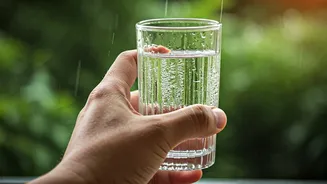
While water is the best choice for hydration, the monsoon increases the risk of waterborne diseases like cholera, typhoid, and hepatitis A. [7, 15] Heavy rains can contaminate public water sources. [24] To stay safe, it is crucial to only drink water that has been properly purified or boiled for at least one minute. [17, 24] Avoid drinking water from roadside stalls and ensure that water stored at home is kept in clean, covered containers to prevent contamination. [17, 24] Making this a non-negotiable habit is your first line of defence against monsoon-related illnesses.
Go Beyond Water: Hydrating Drinks
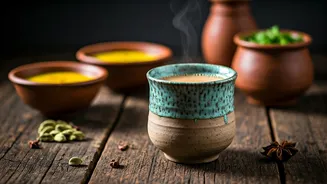
Plain water isn't the only way to stay hydrated. Several traditional Indian beverages are excellent for replenishing fluids and electrolytes. Buttermilk (chaas) is a cooling drink that aids digestion and provides protein. [6, 26] Herbal teas, such as those with ginger, mint, or tulsi, can boost immunity and offer anti-inflammatory benefits. [10, 26] Other great options include coconut water, which is rich in electrolytes, and homemade lemonade (nimbu pani), which provides a dose of Vitamin C. [13, 23] Warm drinks like turmeric milk (haldi doodh) or spiced teas like masala chai and kahwa can also be comforting and beneficial during this season. [10, 16]
Eat Your Water
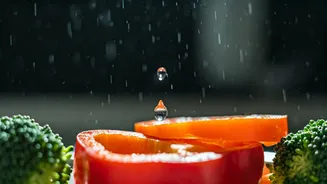
Around 20% of your daily fluid intake can come from the food you eat. [2] Incorporating water-rich fruits and vegetables into your diet is an easy and delicious way to supplement your hydration. Monsoon-friendly options include cucumbers, watermelon, oranges, and grapefruit. [4] Soups are another excellent way to increase your fluid intake while getting essential nutrients. These foods not only provide water but also deliver vitamins and minerals that support overall health and immunity. [4]
Know What to Limit or Avoid
Certain drinks can work against your hydration efforts. Caffeinated beverages like coffee and some teas, as well as alcohol, have a diuretic effect, meaning they cause you to lose more fluid through urination. [4, 25] Sugary sodas and packed juices should also be limited. While they provide fluid, their high sugar content is not ideal for overall health and can sometimes interfere with hydration. [13] Opting for the natural and less-processed alternatives mentioned earlier is a much healthier strategy for the season. [25]
Listen to Your Body's Signals
Since thirst isn't always a reliable indicator during the monsoon, it's important to watch for other signs of dehydration. [13] Early symptoms can include fatigue, dizziness, headache, dry skin, and muscle cramps. [18] A simple way to check your hydration level is to monitor your urine colour; a pale yellow colour is ideal, while dark yellow indicates you need to drink more fluids. [14, 18] If you experience extreme thirst, a rapid pulse, or confusion, you may be severely dehydrated and should seek medical attention. [18]