


A Built-In Survival Kit
The secret to the ZZ plant's incredible resilience begins underground. Instead of a typical root system, it grows large, fleshy rhizomes that look a bit like small potatoes. These rhizomes are not just for anchoring the plant; they are specialized storage
organs. Native to the arid grasslands and dry forests of Eastern Africa, the ZZ plant evolved to endure long periods of drought. Its rhizomes act as built-in water tanks, storing moisture and nutrients to draw upon when resources are scarce. This is why the number one mistake owners make is overwatering. For the forgetful or busy plant parent, this is a dream feature. The plant is perfectly happy if you forget to water it for a few weeks, as it has its own emergency supply ready to go.
Mastering the Art of Low Light
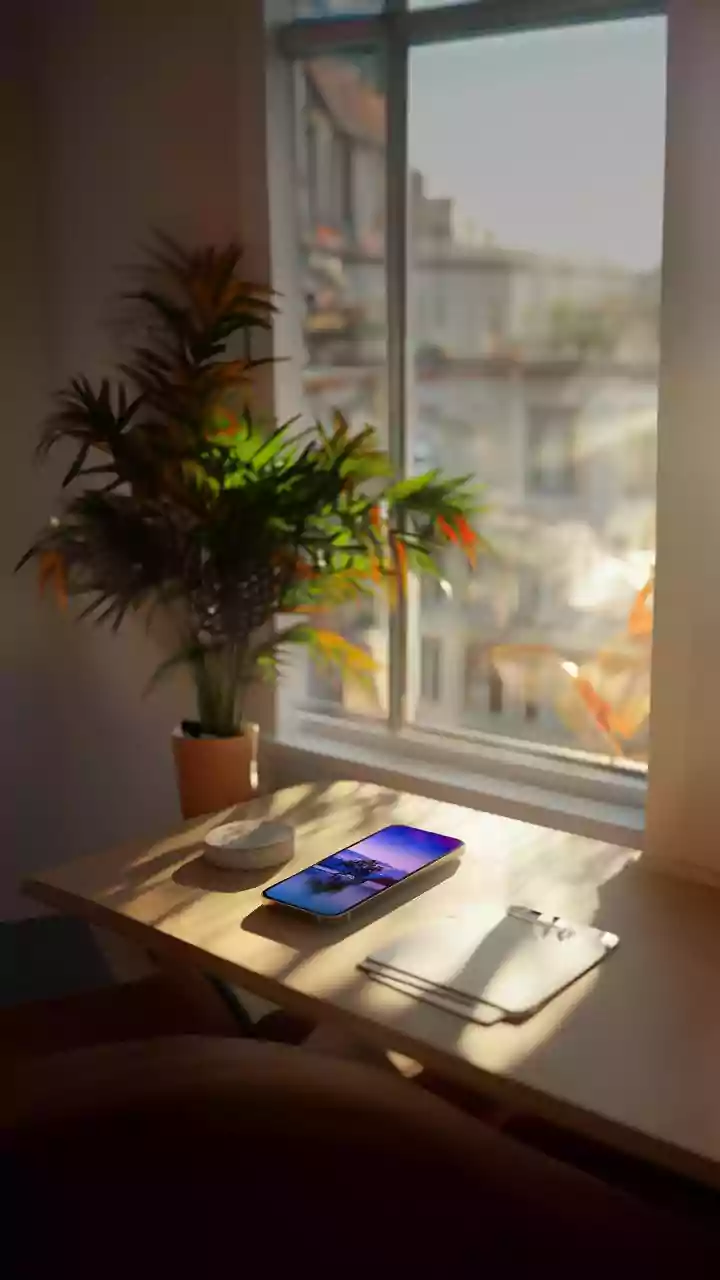
Many plant labels claim 'low-light tolerance', but the ZZ plant truly lives up to the hype. While it prefers bright, indirect light for its fastest growth, it is remarkably adaptable to lower light levels found in many homes and offices. This adaptability is another trait from its native habitat, where it often grows under the canopy of larger trees and in shady forests. Its dark, glossy leaves are highly efficient at photosynthesis, able to convert what little light they receive into energy. While very dim conditions will slow its growth, it will survive and maintain its appearance far better than most other houseplants, making it ideal for hallways, north-facing rooms, or that dim corner of your work-from-home setup that gets little natural sun. It's important to note, however, that it should be protected from harsh, direct sunlight, which can scorch its leaves.
An Armour-Plated Exterior
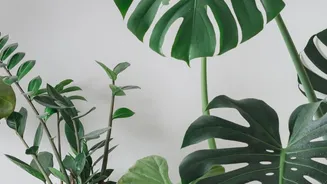
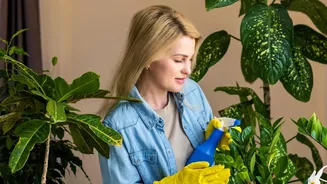
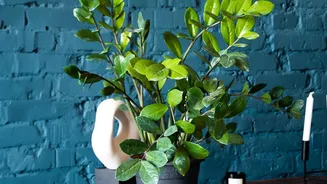
Beyond its internal survival mechanisms, the ZZ plant boasts a tough exterior. Its leaves are covered in a thick, waxy coating. This isn't just for looks; the glossy finish helps the plant retain moisture by preventing water loss through transpiration, further enhancing its drought resistance. This waxy surface also provides a natural defence against common household pests. Many insects find the thick, leathery leaves difficult to penetrate, making infestations a rare occurrence. For a beginner, this is a huge advantage, as you are unlikely to have to diagnose and treat pest problems. Wiping the leaves with a damp cloth occasionally to remove dust is all that is needed to keep them shiny and healthy, allowing the plant to photosynthesize effectively.
The Beauty of 'Benign Neglect'
Putting it all together, the ZZ plant is the ultimate poster child for 'benign neglect'. It is a plant that actively rewards you for doing less, not more. It wants its soil to dry out completely between waterings, sometimes only needing a drink once a month or so. It does not require special, high-humidity environments and is perfectly content in average indoor conditions. It also has a very slow growth rate and doesn't need frequent feeding or repotting, often happy in the same pot for two to three years. For anyone who has ever felt overwhelmed by plant care or has a history of 'killing them with kindness' through too much water and attention, the ZZ plant offers a welcome reprieve. Its independent nature and striking, architectural appearance make it a confidence-booster for aspiring plant owners.