

A Perfect Breeding Ground for Germs
The combination of warmth and high humidity during the monsoon creates an ideal environment for bacteria, fungi, and moulds to thrive. This means that food spoils much faster than in drier weather. Microorganisms like E. coli and Salmonella, which cause
food poisoning, multiply rapidly in these conditions. The moisture in the air can make dry foods like crackers and biscuits lose their crispness, and can cause mould to grow on bread and other baked goods surprisingly quickly. This accelerated spoilage isn't just about food quality; it's a direct health risk, increasing the chances of gastrointestinal infections.
The Danger of Contaminated Water
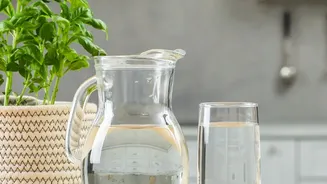
Heavy rains can overwhelm drainage systems and cause flooding, leading to the contamination of public water supplies with sewage and other pollutants. Even water that appears clear can harbour dangerous bacteria and viruses that cause diseases like cholera, typhoid, hepatitis A, and gastroenteritis. This makes it essential to ensure the water you drink and use for cooking is safe. The simplest and most effective method is to boil water for at least one minute. If you use a water purifier, ensure it is regularly serviced. When outside, always opt for sealed bottled water and be wary of ice in drinks, as it's often made from unfiltered tap water.
Handle Fresh Produce With Extra Care
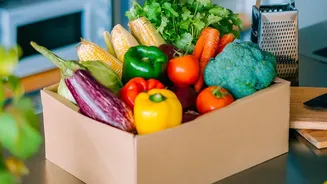
Leafy green vegetables, which grow close to the ground, are particularly susceptible to contamination from dirty rainwater and soil. The dampness during the monsoon also encourages fungal growth on fruits and vegetables. It is crucial to wash all produce thoroughly under clean, running water. For leafy greens like spinach and cabbage, it is a good practice to soak them in a bowl of water with a little salt or vinegar for about 15 minutes before rinsing them again. It is also advisable to avoid eating raw salads outside the home and instead opt for steamed or cooked vegetables. Cut fruits should be consumed immediately and not left exposed to the air where they can get contaminated.
Navigating Street Food and Eating Out
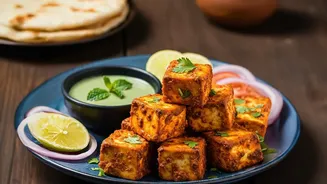
While the temptation of hot pakoras on a rainy day is strong, street food carries a higher risk during the monsoon. Food stalls are often exposed to the elements, and there's a greater chance of food being contaminated by rain, flies, or the use of unsafe water for cooking or making chutneys. If you do eat out, choose reputable vendors who visibly maintain high standards of hygiene. Opt for dishes that are freshly prepared and served hot, as thorough cooking kills most harmful germs. It's generally safer to avoid raw items like chaat, pre-cut fruit salads, and juices from street vendors during this season.
Smart Storage and Kitchen Hygiene
Proper storage is key to preventing food from spoiling. Perishable items like dairy, meat, and cooked leftovers should be refrigerated promptly in airtight containers. It's also important to prevent cross-contamination by keeping raw meats separate from cooked foods and fresh vegetables, using different chopping boards and utensils. Your kitchen itself needs extra attention. High humidity can lead to dampness in cupboards and on countertops, so keep surfaces clean and dry. Regularly clean your refrigerator and defrost it to ensure it's functioning efficiently. Maintaining personal hygiene, especially washing hands with soap before and after handling food, is one of the simplest yet most effective ways to prevent foodborne illnesses.