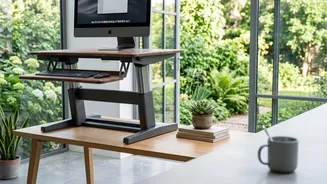








The Silent Risks of Prolonged Sitting
The phrase ‘sitting is the new smoking’ has gained traction for a reason. While it might feel harmless, spending eight or more hours a day in a chair creates a cascade of negative health effects. When you're sedentary for long stretches, your body’s systems
slow down. Blood flow becomes sluggish, particularly in the legs, which can increase the risk of circulation problems. Your metabolism, which helps your body process fats and sugars, becomes less efficient. This inefficiency is linked to a higher risk of developing chronic conditions like type 2 diabetes, heart disease, obesity, and even certain cancers. The physical strain is also significant. Prolonged sitting can lead to the weakening of major muscle groups like your glutes and legs, while your hip flexors can shorten and tighten, leading to joint and back problems. It’s a quiet accumulation of risks that even a daily workout can’t fully erase.
Your Body on a Movement Break
The good news is that the solution is simple and immediate. Taking short, frequent movement breaks—sometimes called 'movement snacks'—can powerfully counteract the hazards of sitting. Just a few minutes of light activity every hour can make a significant difference. Research shows that even two to five minutes of movement can help regulate blood sugar, improve circulation, and reduce muscle stiffness. When you stand up and move, you reactivate your large muscle groups, prompting your body to work more effectively. Your heart pumps more efficiently, and the improved blood flow delivers more oxygen to your brain. A large-scale study found that a five-minute walk every hour was an excellent balance of effectiveness and sustainability for office workers. These breaks aren't about intense exercise; they're about interrupting the long, uninterrupted periods of being stationary. Consistency is far more important than intensity.
More Than Just Physical Health
The benefits of movement breaks extend far beyond the physical. Prolonged sedentary behaviour has been linked to a higher risk of depression and anxiety. When you're inactive, your brain receives less oxygenated blood, which can lead to mental fogginess, loss of concentration, and low energy. Movement triggers the release of brain chemicals that improve mood and function. Studies have shown that breaking up sitting time improves focus, restores motivation, and can even boost creativity and productivity. Employees who incorporate small breaks report sharper thinking and better moods. Instead of draining your focus, a short walk or stretch can replenish your mental resources, helping you return to your task with renewed clarity.
Simple Ways to Start Moving Now
Integrating movement into your workday doesn't require a gym membership or a major schedule overhaul. The key is to find small, repeatable actions that work for you. One of the easiest methods is to set a timer for every hour as a reminder to get up. Use this time to walk to the kitchen for a glass of water, do a lap around your office, or simply stand and stretch at your desk. If you're on a phone call, try walking around instead of sitting. If you have back-to-back virtual meetings, stand up and stretch for one minute between each call. Even simple desk-based exercises can be effective, such as seated spinal twists, shoulder rolls, or glute kicks. The goal is to make movement a natural part of your routine, not another task on your to-do list.