


The Protein Puzzle: What Makes It 'Complete'?
Protein is essential for everything from muscle repair to immune function. Proteins are made up of building blocks called amino acids. There are 20 different amino acids, but nine of them are called 'essential' because our bodies cannot produce them.
We must get them from food. Animal products like meat, eggs, and dairy are considered 'complete' proteins because they contain all nine essential amino acids in sufficient amounts. Most plant-based foods, however, are 'incomplete', meaning they are low in one or more of these essential amino acids. This has led to the myth that a vegetarian diet is inherently deficient in quality protein, but that couldn't be further from the truth. The solution is simple: food combining.
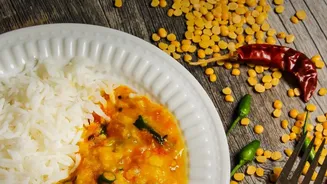
The Magic of Dal and Chawal
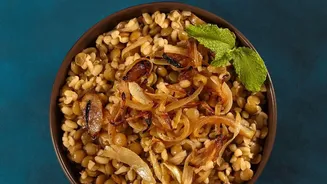
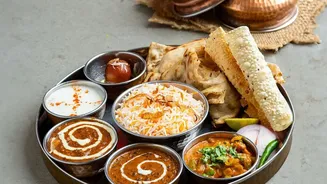
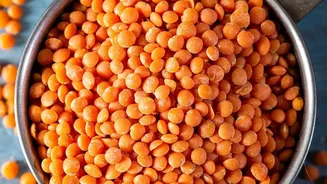
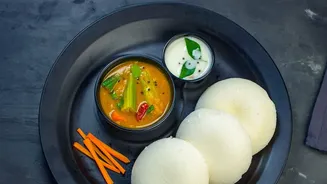
The classic Indian meal of dal and rice (dal chawal) is more than just comfort food; it's a nutritional masterpiece. Lentils (dal) are packed with protein but are typically low in two essential amino acids: methionine and cysteine. Grains like rice, on the other hand, have plenty of methionine and cysteine but are low in another amino acid, lysine. Lentils happen to be rich in lysine. When you eat them together, their amino acid profiles complement each other perfectly. The strengths of one make up for the weaknesses of the other, creating a single meal that provides all nine essential amino acids. This powerful synergy transforms two incomplete proteins into one complete protein, giving your body the high-quality fuel it needs.
Beyond Rice: The Role of Seeds
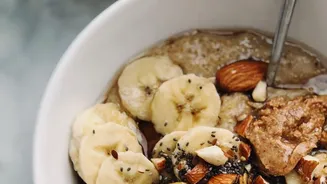
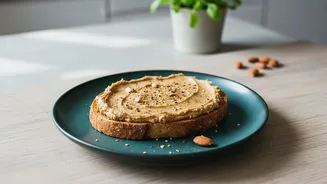
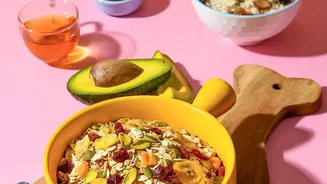
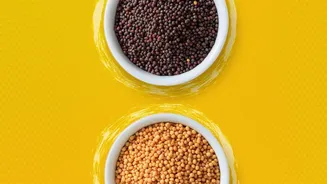
While rice is the classic partner for lentils, seeds offer another fantastic way to complete the protein profile. Many seeds are good sources of the methionine and cysteine that lentils lack. Sprinkling pumpkin seeds, sunflower seeds, or sesame seeds onto a bowl of dal or a lentil salad is an incredibly easy and flavourful way to ensure you're getting a complete protein. Think of a sesame seed tadka on your dal; it’s not just for flavour, it’s boosting its nutritional value. Nuts also work well. This strategy adds healthy fats, fibre, and a satisfying crunch to your meal, making it even more nutritious and delicious. Even whole wheat roti served with dal creates a complete protein, as wheat (a grain) complements the amino acid profile of the lentils.
It's Simpler Than You Think
For years, nutritionists believed that complementary proteins had to be eaten in the same meal to be effective. However, modern research shows that the body is quite resourceful. It can maintain a pool of amino acids throughout the day. This means that as long as you eat a variety of plant-based protein sources—legumes, grains, nuts, and seeds—over the course of a day, your body can combine them as needed to build complete proteins. So, you don't have to stress about perfectly pairing every single meal. However, eating combinations like dal-rice, khichdi, or rajma-chawal is a simple and foolproof strategy rooted in Indian culinary tradition that guarantees you're covering your bases. These meals have been staples for generations for a good reason—they are nourishing, balanced, and delicious.
Putting It All Together
Making this a part of your daily diet is effortless because it aligns with how many of us already eat. A lunch of dal and brown rice provides balanced energy and stable blood sugar levels. A dinner of khichdi, which combines lentils and rice in one pot, is a comforting, easily digestible meal packed with complete protein. Even snacks can be an opportunity for protein pairing: think hummus (made from chickpeas, a legume) with whole-wheat pita bread, or a handful of nuts and seeds. By embracing these traditional food pairings, you're not just enjoying delicious meals; you're also tapping into an ancient, intuitive understanding of nutrition that makes a vegetarian diet robust, healthy, and completely sustainable.