





A Journey Through Numbers
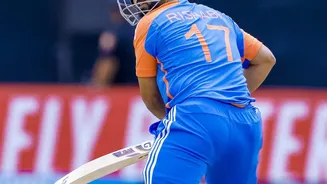
Interestingly, Rishabh Pant did not start his career with the number 17. During his breakout performance at the 2016 Under-19 World Cup, the young wicketkeeper-batsman sported the number 77 on his jersey. He even briefly wore number 777 in the Indian
Premier League for the Delhi franchise. His journey to number 17 was a result of circumstance. When he made his way into the senior national team, the number 77 was already taken by Jaydev Unadkat, who was senior to him at the time. This common practice in team sports, where senior players often have first preference for jersey numbers, meant Pant had to find a new digit to define his identity on the international stage. This practical hurdle is what ultimately led him to the number that would soon become his own.
A Tribute to a Modern Legend
The most widely accepted reason for Pant choosing number 17 is as a tribute to the South African cricket icon, AB de Villiers. De Villiers, who also wore number 17, redefined modern batting with his 360-degree stroke play and aggressive intent, earning him the nickname 'Mr. 360'. Pant's own style of play—characterised by audacious shots, a fearless attitude, and the ability to change the course of a game in a matter of overs—draws clear parallels with de Villiers. The admiration is mutual. Pant has spoken about learning from watching de Villiers bat, while the South African legend has often praised Pant's immense talent and impact. In fact, de Villiers himself has referred to Pant as 'No. 17', acknowledging the connection between them. By choosing 17, Pant not only honours a player he looks up to but also aligns himself with a specific philosophy of cricket: to entertain, innovate, and dominate.
The Culture of Cricket Jerseys
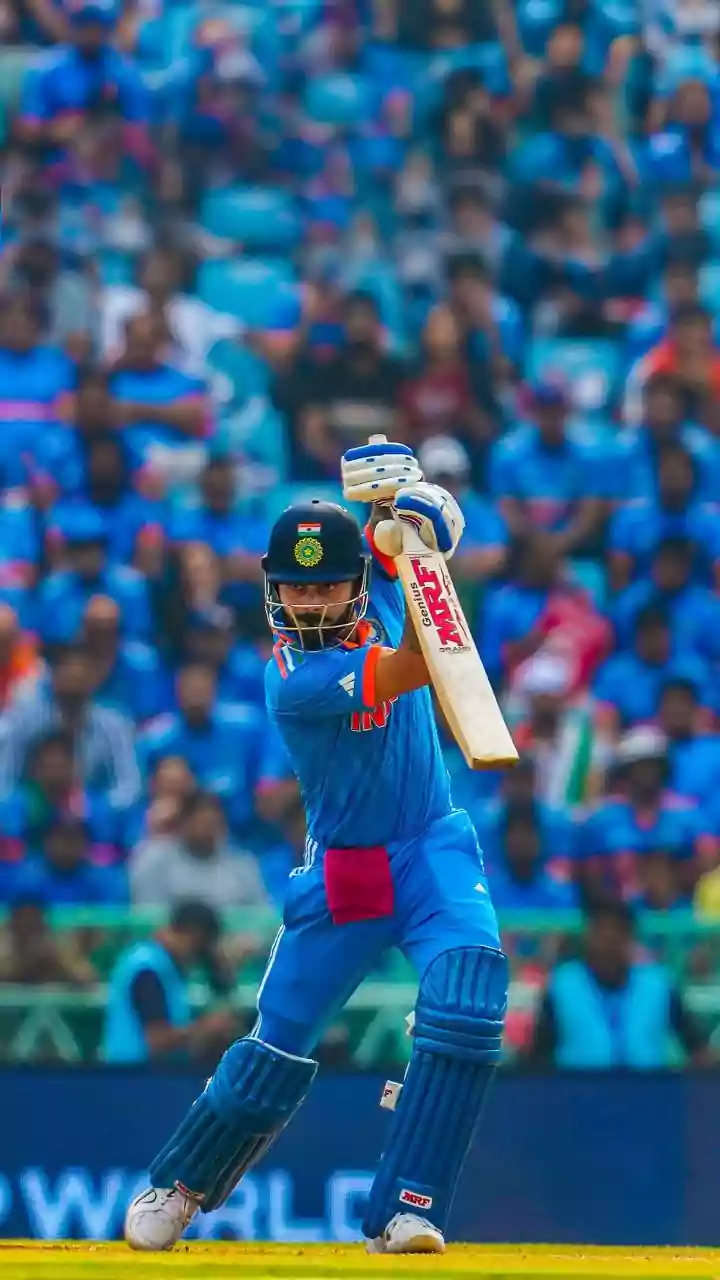
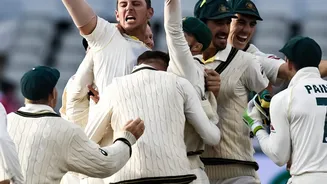
In cricket, a jersey number is rarely just a number. It is a piece of a player's identity, woven with personal stories, superstitions, or tributes. MS Dhoni’s legendary number 7, for instance, is a direct nod to his birth date on July 7. Virat Kohli has worn number 18 since his Under-19 days, a number his father also wore. These numbers become part of a player's brand and legacy, cherished by fans who wear replica shirts with pride. Sometimes, numbers carry a weight of remembrance, like the Australian team's informal retirement of Phillip Hughes' number 64 after his tragic death. Pant’s choice fits perfectly within this culture, where a number signifies a connection to an idol, a personal belief, or a significant life event. It transforms a simple digit into a powerful symbol of a player's journey and what they represent on the field.
Dispelling the Birthday Theory
One of the most common theories behind a player's jersey number is a link to their birthday. As mentioned, this holds true for MS Dhoni (July 7) and even for AB de Villiers himself, who was born on February 17. However, this popular theory does not apply to Rishabh Pant. He was born on October 4, 1997. This fact makes the connection to de Villiers even more plausible. Without a direct link to his own date of birth, the choice of 17 appears to be a deliberate selection based on inspiration rather than personal numerology or chance. It underscores that the decision was likely a conscious nod to a hero whose cricketing ethos he wished to emulate as he began to forge his own path in the international arena.
Forging a New Legacy
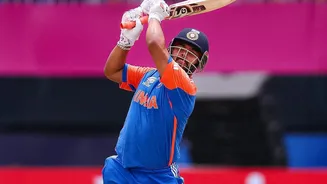
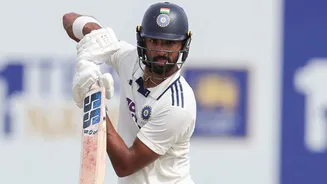
While the number 17 may have been chosen in homage to AB de Villiers, Rishabh Pant has undoubtedly made it his own. Today, for millions of Indian cricket fans, 17 is the number of Pant. It represents the thrill of a reverse-scoop for six over the wicketkeeper's head, the nerve of a match-winning innings in a tense Test match, and the sheer, unadulterated joy he brings to the game. He has carried the legacy of an innovative and attacking player associated with the number and infused it with his own unique personality and achievements. Even when he once surprised fans by wearing number 18 in an India A game, it only served to highlight how strongly his identity is tied to the number 17 in the minds of the public. The number has become a symbol of his fearless brand of cricket that has captivated a new generation of fans.