




Understanding the Post-Meal Crash
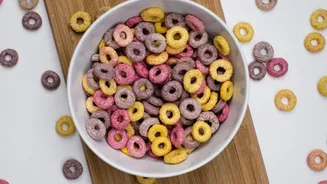
That overwhelming urge to nap after a meal, often called postprandial somnolence, is frequently linked to a rapid spike and subsequent crash in your blood sugar levels. When you consume carbohydrates, especially refined ones like white rice or bread,
they are quickly broken down into glucose and flood your bloodstream. Your body releases insulin to manage this sugar rush, but the rapid rise is often followed by a sharp drop, leaving you feeling drained and lethargic. Over time, these repeated glucose spikes can pose more significant health risks, including an increased likelihood of developing type 2 diabetes.
The Scientific Secret: Veggies First
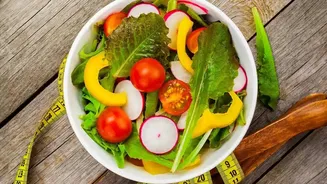
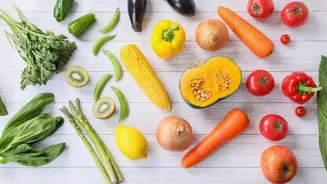
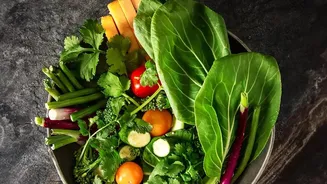
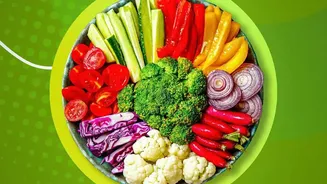
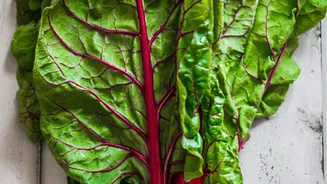
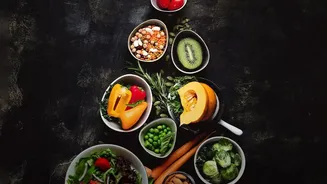
The idea of eating food in a specific order, known as 'food sequencing', is gaining significant scientific backing. The principle is simple: start your meal with vegetables, then move on to protein and fats, and save your carbohydrates for last. The star players in this strategy are leafy greens and other non-starchy vegetables. Their power lies in their high fibre content. When you eat vegetables first, the fibre creates a viscous, gel-like mesh in your digestive tract. This physical barrier slows down the digestion and absorption of the carbohydrates that you eat afterwards, leading to a much gentler rise in blood sugar.
Flattening the Curve
Numerous studies confirm that this simple change can have a dramatic effect. Research shows that consuming vegetables or protein before carbohydrates can significantly reduce post-meal glucose spikes, in some cases by a large margin. For example, a 2026 systematic review of several studies found that participants who ate vegetables or protein first consistently showed lower postprandial glucose responses compared to those who ate carbs first or had a mixed meal. This gentler glucose curve means you avoid the sharp crash, resulting in more stable energy levels throughout your afternoon. You feel less tired, more focused, and are less likely to experience cravings for sugary snacks an hour or two later.
Making it Work with Indian Meals
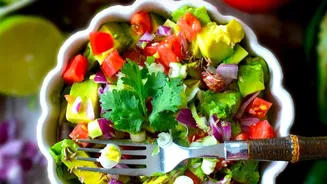
Applying this to a traditional Indian thali, where everything is often served at once, might seem tricky, but it's very achievable. You don't need to eat in rigid, separate courses. The key is to simply change the order in which you eat the items on your plate. Begin by eating your salad (like a simple kachumber of cucumber, tomato, and onion) or a portion of your cooked sabzi first. Spend a few minutes on the vegetables before you start on your dal, paneer, or curd. Once you’ve had a good amount of fibre and protein, you can then move on to your roti or rice. By the time the carbohydrates reach your stomach, the fibre and protein are already working to buffer their impact.
Beyond the Energy Boost
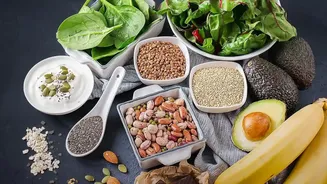
The benefits of this eating strategy extend beyond preventing a slump. Starting your meal with high-fibre vegetables helps you feel full faster and for longer. This can naturally lead to eating smaller portions of carb-heavy foods, which can be beneficial for weight management. Furthermore, this method improves your body’s hormonal response to food. It supports the release of hormones like GLP-1, which enhances insulin efficiency and helps regulate appetite. It’s a powerful tool not just for those managing diabetes or pre-diabetes, but for anyone looking to improve their metabolic health and overall well-being.