




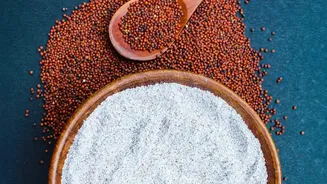
What Exactly Is Ambali?
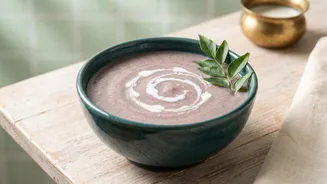
At its core, Ambali is a traditional porridge or beverage originating from Southern India, particularly states like Karnataka, Andhra Pradesh, and Telangana. It's made by cooking millet flour—most commonly finger millet or ragi—with water. The mixture
is then allowed to ferment naturally, often overnight, which gives it a characteristic mild tangy flavour. For centuries, this simple, nutrient-dense drink was known as a farmer's fuel, providing sustained energy for a long day of physical labour. Traditionally served either sweet with jaggery or savoury with buttermilk, salt, and chopped onions, it was a staple food before rice was widely consumed.
A Probiotic Powerhouse for Gut Health
The secret to Ambali's modern revival lies in one key process: fermentation. This ancient technique turns the humble millet drink into a rich source of probiotics—the 'good' bacteria essential for a healthy digestive system. Much like yogurt, kefir, or kanji, Ambali contains live microbial cultures that help nourish the gut microbiome, which can improve digestion, support immunity, and reduce bloating. The fermentation process also enhances the nutritional value of the millet by breaking down anti-nutrients like phytic acid. This breakdown 'unlocks' the abundant calcium and iron in ragi, making these vital minerals more bioavailable for the body to absorb.
The 'Back to Roots' Wellness Movement
So, why is a drink once considered rustic suddenly appearing in chic city cafes? Its resurgence is part of a larger 'back to roots' movement in urban India. As wellness enthusiasts become more discerning, there's a growing preference for local, indigenous superfoods over expensive, imported alternatives. The global spotlight on millets as a sustainable and nutritious food group has further boosted this trend. Ambali perfectly fits this new paradigm: it's gluten-free, boasts a low glycemic index beneficial for blood sugar regulation, and is a fantastic source of calcium—ragi contains significantly more calcium than most other cereals. This alignment of ancestral wisdom with modern nutritional science makes it incredibly appealing.
From Village Staple to Urban Chic
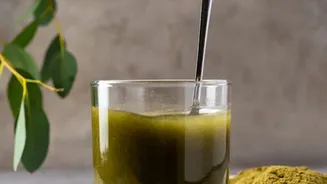
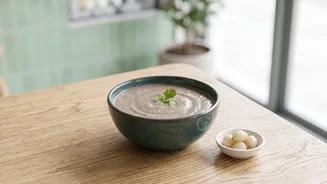
While the soul of Ambali is traditional, its presentation is getting a contemporary makeover. Today, you might find it served chilled in stylish glasses, garnished with fresh herbs, or used as a base for savoury bowls topped with roasted peanuts and other modern additions. This facelift makes the drink more approachable for a younger audience that values both authenticity and aesthetics. By placing Ambali on the same menu as avocado toast or a flat white, cafes are making a powerful statement: that India's own culinary heritage is just as valuable and 'cool' as any global trend. It's a celebration of cultural identity, proving that what's old can be new, and profoundly relevant, again.